Jaffa or Yafo, is the ancient city around which Tel Aviv grew. Settlement of Jaffa began almost 4000 years ago. It has been ruled by the Canaanites, Egyptians, Philistines, Israelites, Seleucids, Hasmoneans, Romans, Arabs, Crusaders, Mameluks, French, Ottomans, and British prior to Israel’s independence in 1948. Depending on the era, it has served as a relatively important or unimportant port. In Biblical times, Jaffa is mentioned as the port through which the cedars of Lebanon were brought for building the First and Second Temples, as well as the port from which Jonah sailed, first fleeing to Tarshish and later to Ninevah.
In the early twentieth century, some Jewish families left Jaffa to found neighboring Tel Aviv (the Neve Tzedek neighborhood is the transition point between the two), but Jaffa has remained a vibrant mixed community of Jews and Arabs.
My trip to Jaffa was a somewhat less than smooth experience. I made it to the bus stop without any issues. Things grew a bit more muddied after I boarded the bus. In Israel, most buses have a scrolling electronic sign in the front of the bus that announces the current and next stop in Hebrew, Arabic, and English. The sign on this particular bus was out of order. Not a big deal. I also had the travel app, Moovit, that would let me know when to get off the bus. Two small issues. Moovit thought I was on the 142 bus, while I was on the 42 bus. Both go to Jaffa, on similar, albeit different routes. Second, there was a problem with my settings and Moovit wasn’t giving me a real time update. I noticed halfway through the ride that the route didn’t seem right. By the time I noticed lots of signs in Russian, I was pretty certain I had overshot Jaffa and was somewhere in the midst of Bat Yam.
I was right. I exited the bus, reset the settings on my phone, walked about 10 minutes, and boarded a bus back to Jaffa. A little bit of a delay, but just another adventure in travel. After breakfast at Dr. Shakshuka, I had some time to explore Jaffa.
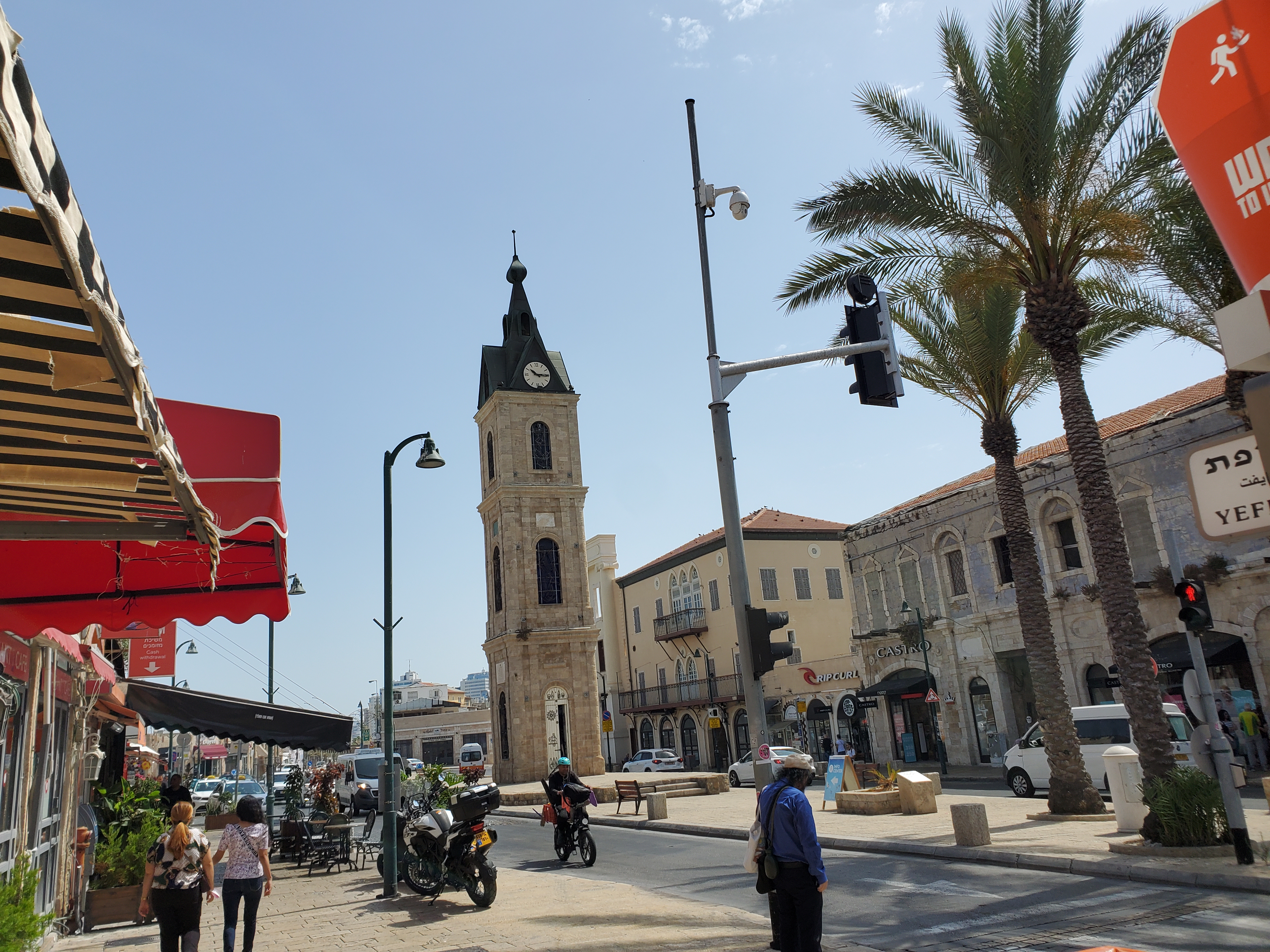
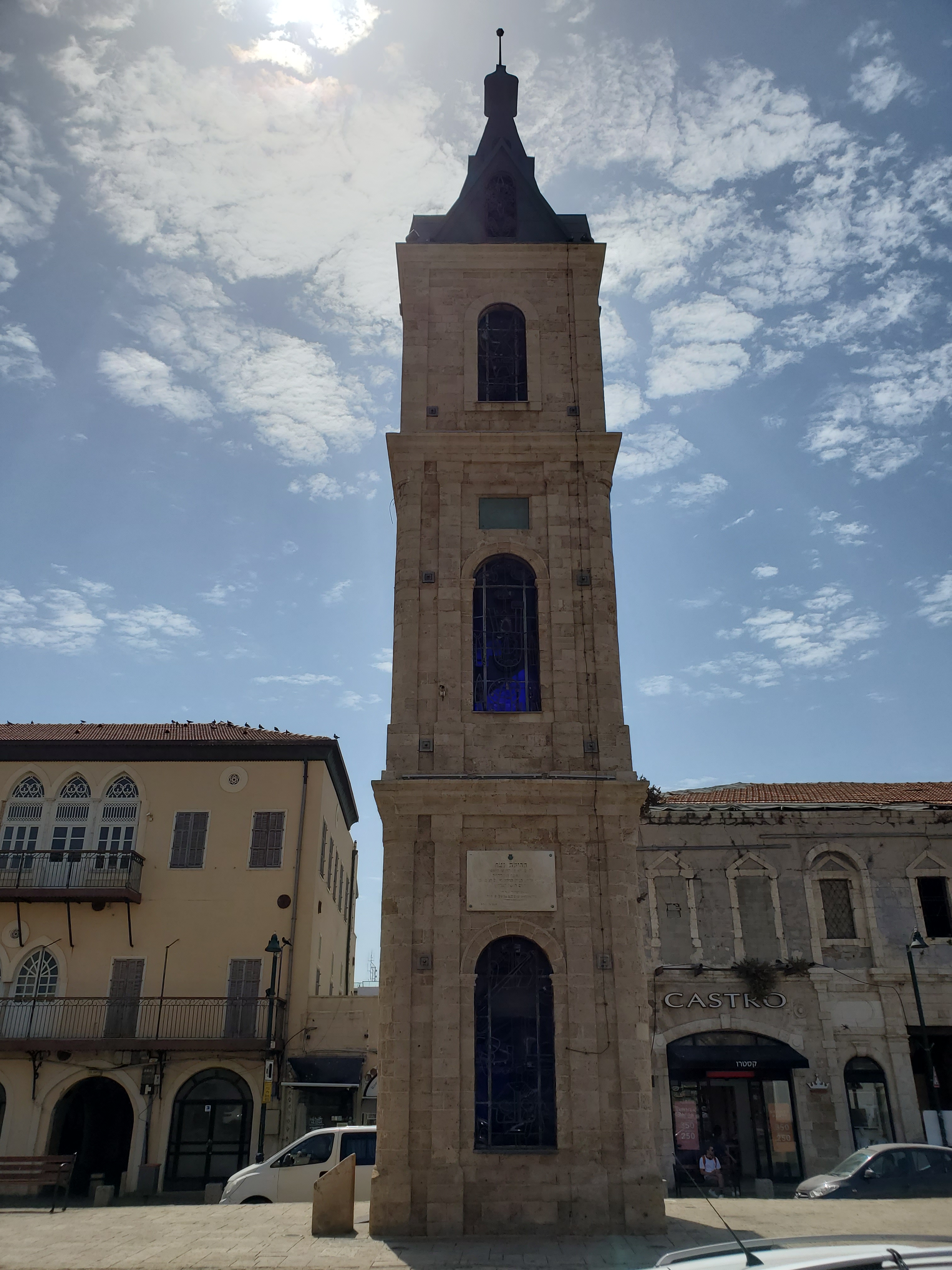
One of the most famous sights in Jaffa is the clock tower. The clock tower was one of seven constructed in Israel in the early 1900’s commemorating the silver jubilee of Sultan Abdul Hamid II. Six of the seven are still functioning, the seventh, in Jerusalem, was destroyed by General Allen by after capturing Jerusalem during World War I.
Today, the clock tower serves as both a tourist attraction and a means of aligning oneself in the older part of Jaffa.
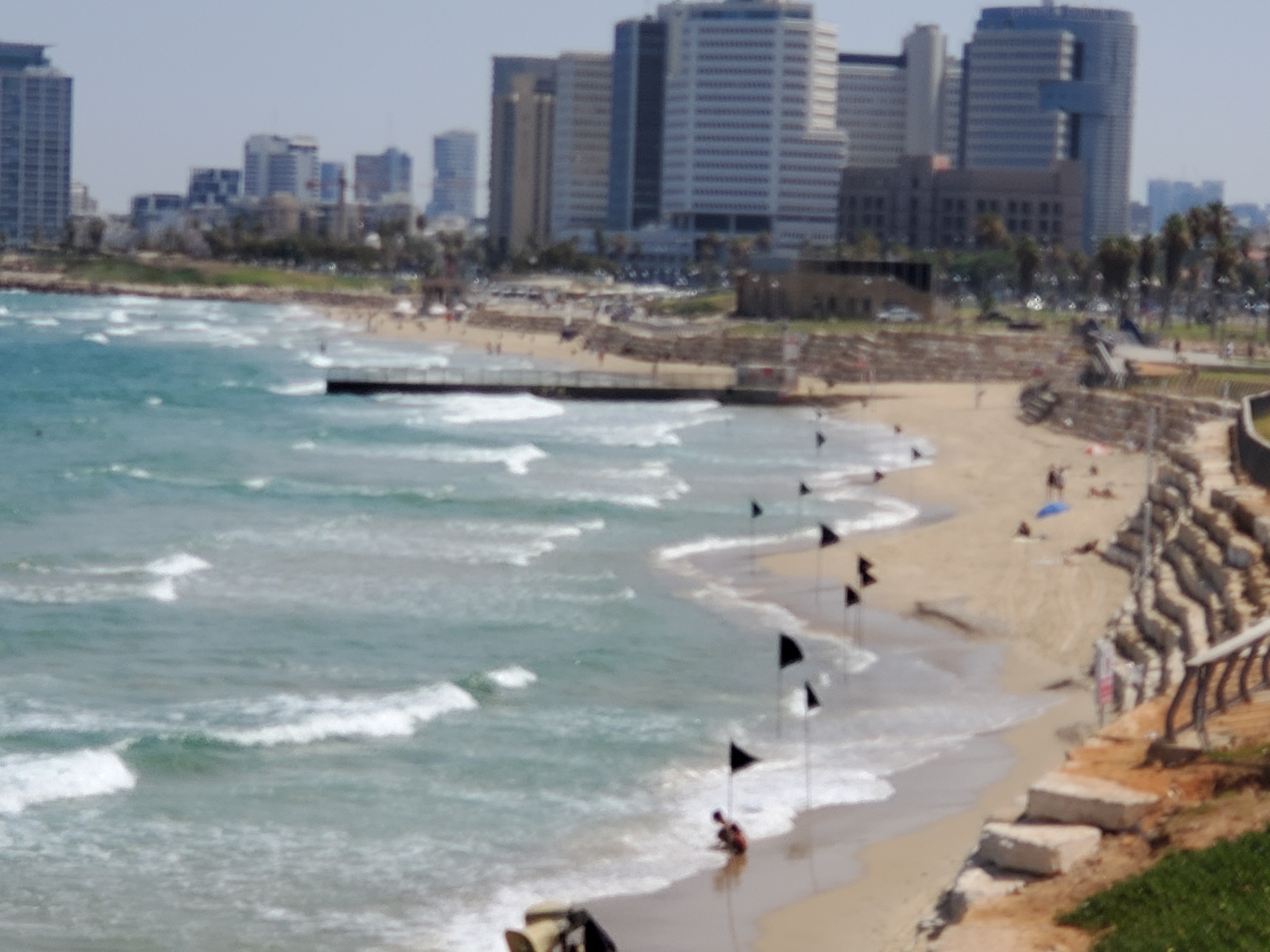
From the clock tower, it is a short walk to an overlook to view the sea, with spectacular views of Tel Aviv and the Jaffa port and the al Bahr Mosque.
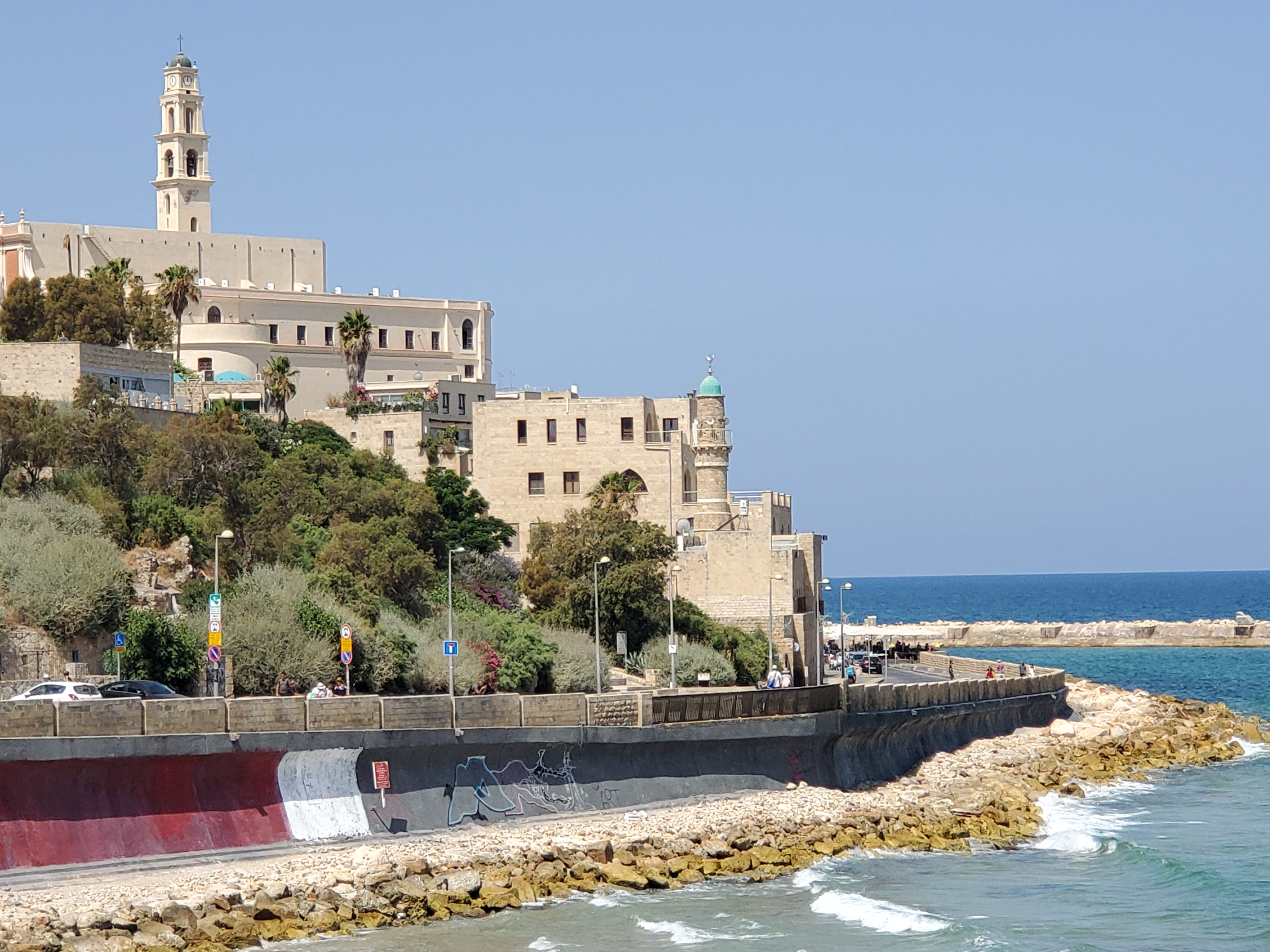
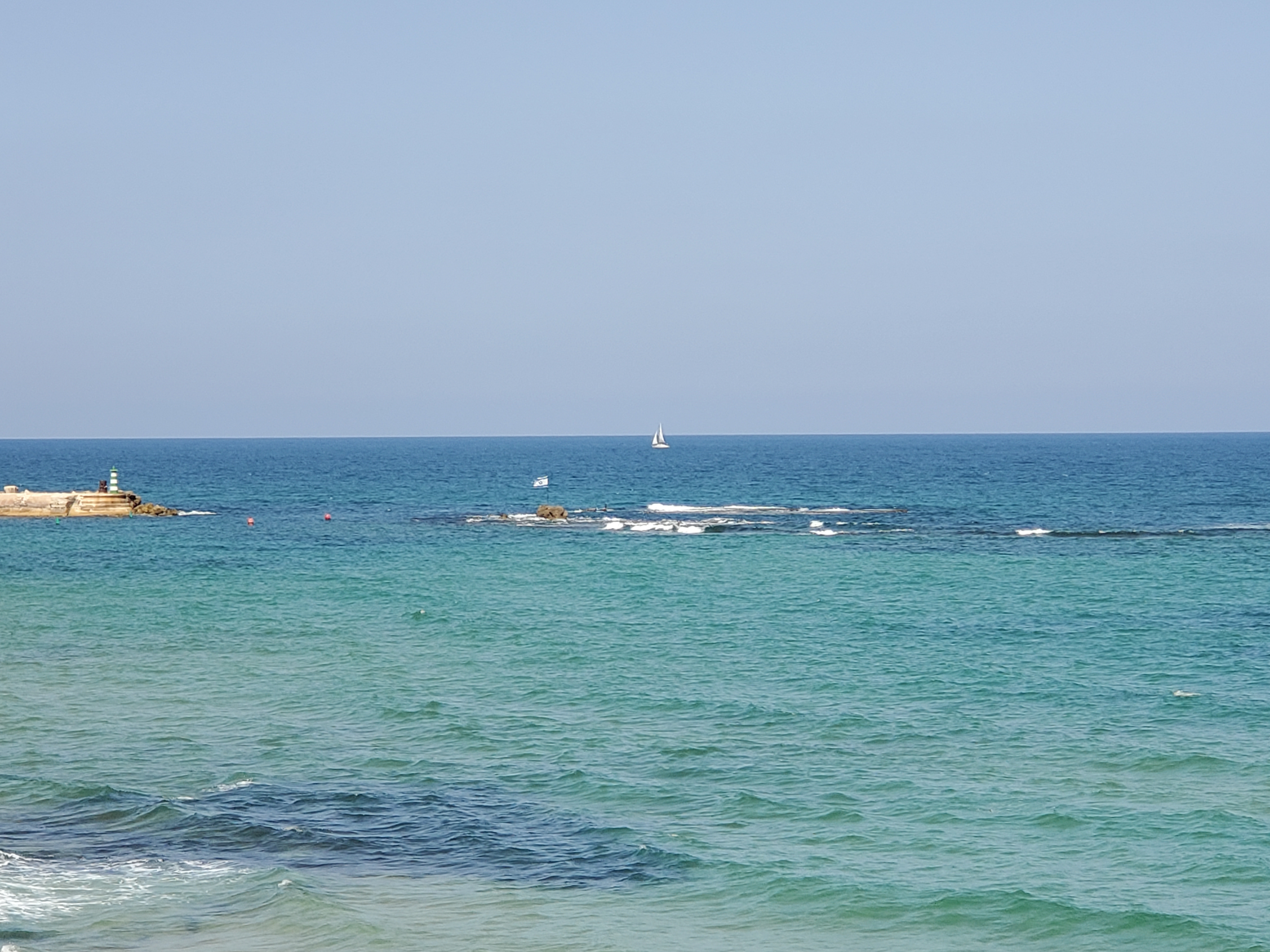
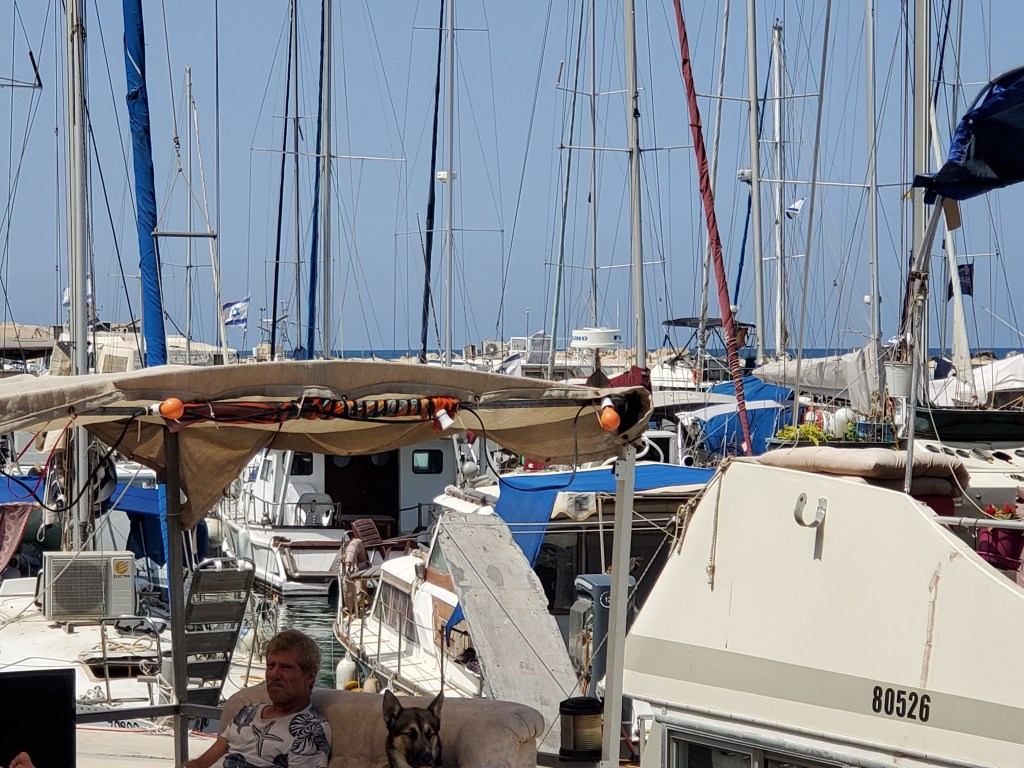
A short walk leads you to the actual port. Today the port is largely devoted to recreational craft and fishing, the primary commercial port in Israel is further south in Ashdod.
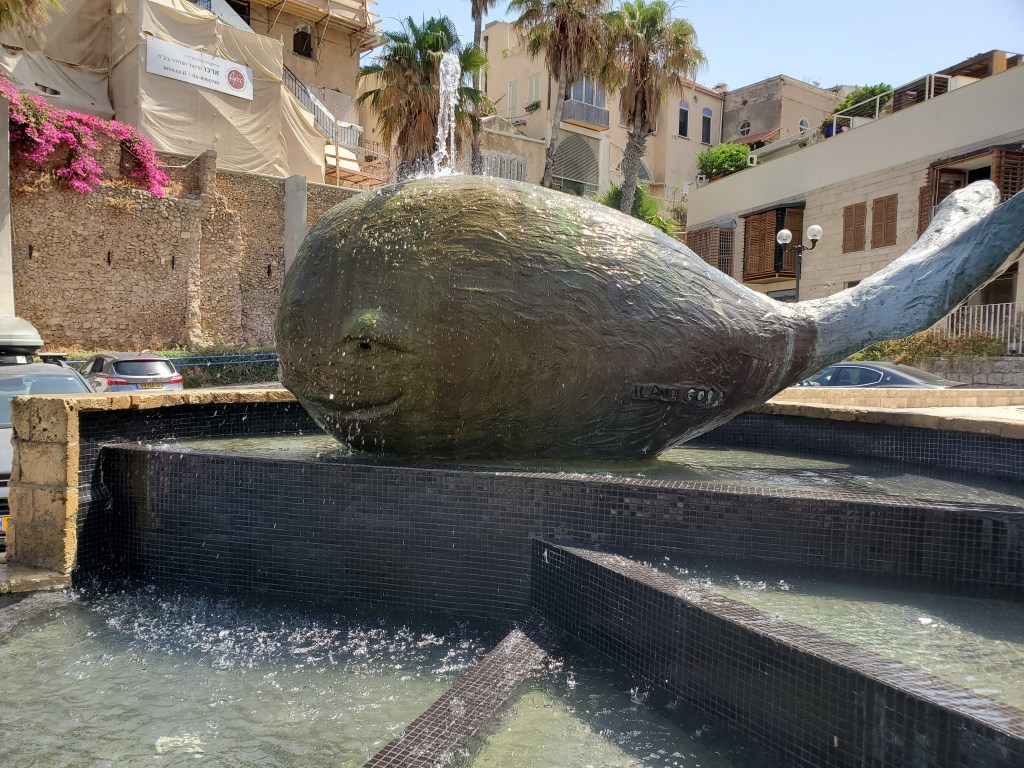
Not far from the port is a piece of artwork dedicated to the most famous journey out of Jaffa, that of Jonah. The famous artist, Ilana Goor, whose gallery is nearby created this sculpture of the Smiley Whale, which also acts as a fountain.
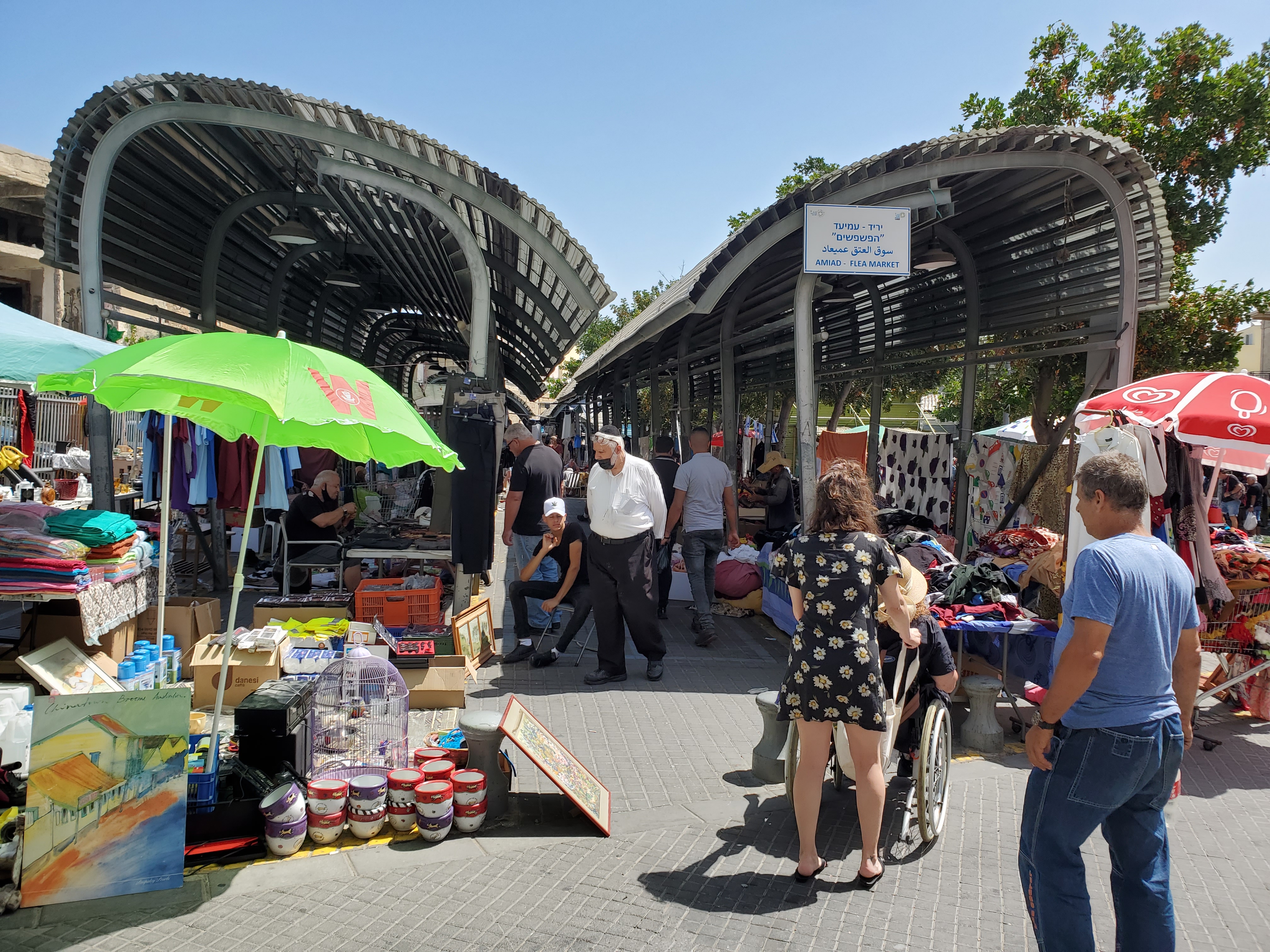
Among the most famous stops in Jaffa is the Shuk Hapishpishim, the Jaffa Flea Market, an eclectic mix of anything and everything you might or might not want. Everything from jewelry to second hand clothing, artwork, antiques, kitchen appliances, books and more can be found in the stalls within and bargained for by native and tourist alike.
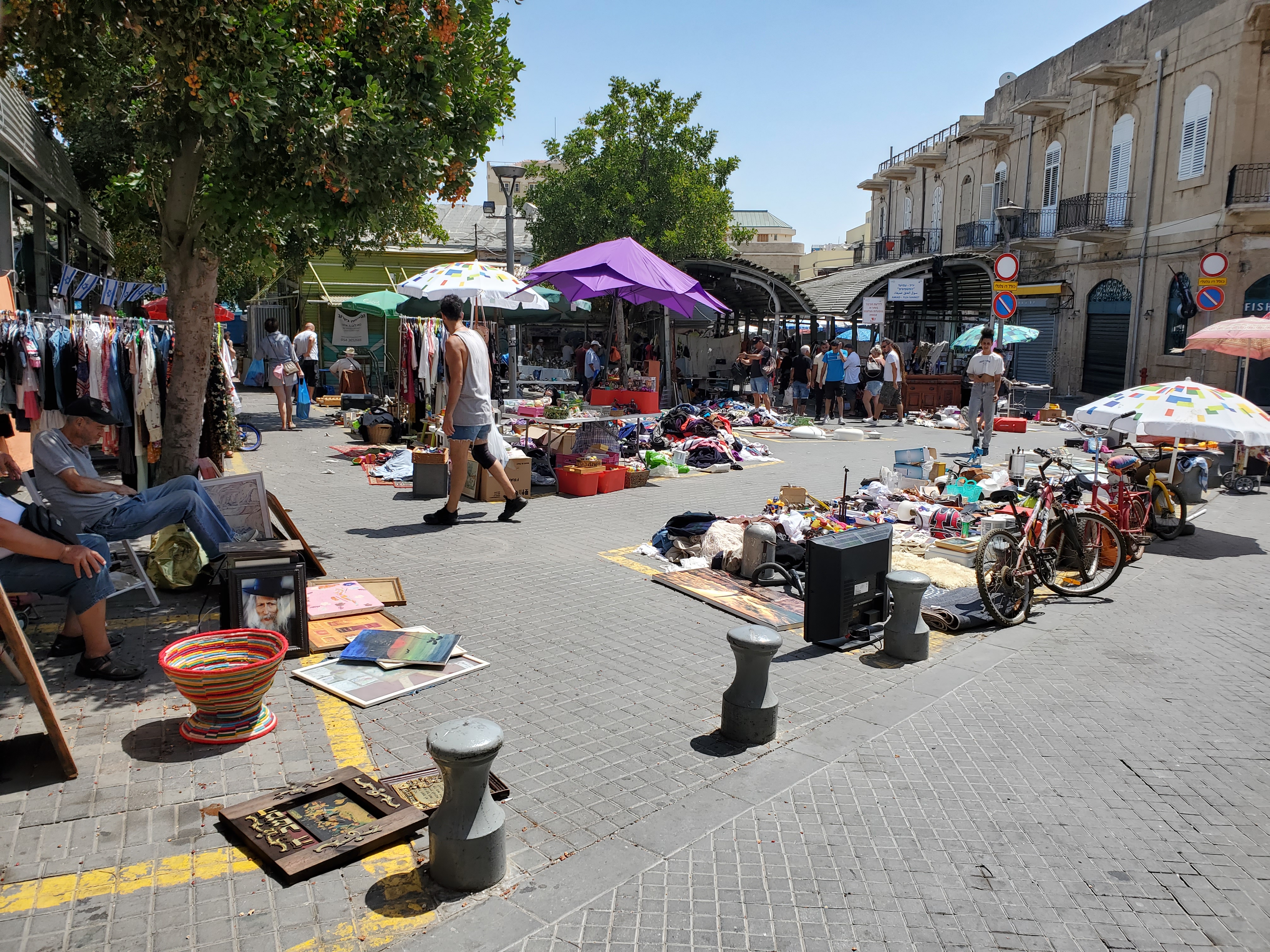
After my brief tour, I had the opportunity to get lost once or twice searching for my bus stop and then I was on my way back to my Airbnb in Ramat Gan and then off for adventures in the North in Nahariya.

 My Journey to Israel: Connections and Disruptions