After a few days traversing the Crusader era, I was ready for a change. I set my sights on the Biblical period in Emek Yizreel or the Jezreel Valley. The Jezreel Valley, runs from the center of the Galilee, from approximately Mount Gilboa in the south to the coastal area near Haifa, with the highlands of Samaria and the lower Galilee forming the southern and northern boundaries.
This flat path from the Kinneret or Sea of Galilee, to the coast made it perfect for trade, as well as for invading armies. Defense against invaders was the primary function served by Megiddo, my first stop today. To get to Megiddo from Nahariya involves taking the train to Haifa and then a bus to Megiddo, other than a slight misstep in the train station, by walking into the mall, instead of down toward the buses, the trip was straightforward.
Megiddo, in addition to overlooking the Jezreel Valley, is also the northern terminus of the Wadi Ara, the pass that leads through the Carmel mountains. Megiddo is the choke point for this junction and through it, trade between Egypt and Syria and Mesopotamia could be controlled.
It shouldn’t be any surprise that there are 26 distinct layers of settlement that have been unearthed in Megiddo. Megiddo was first settled about 8500 years ago, but its earliest period of importance was during the Early Bronze Age I period (3500-3100 BCE) when it was one of the largest sites in the Middle East. The temple uncovered from that time period is considered to be the largest single structure discovered from this time period in the Middle East. The large round altar for animal sacrifice was at the center of ancient Canaanite ritual.
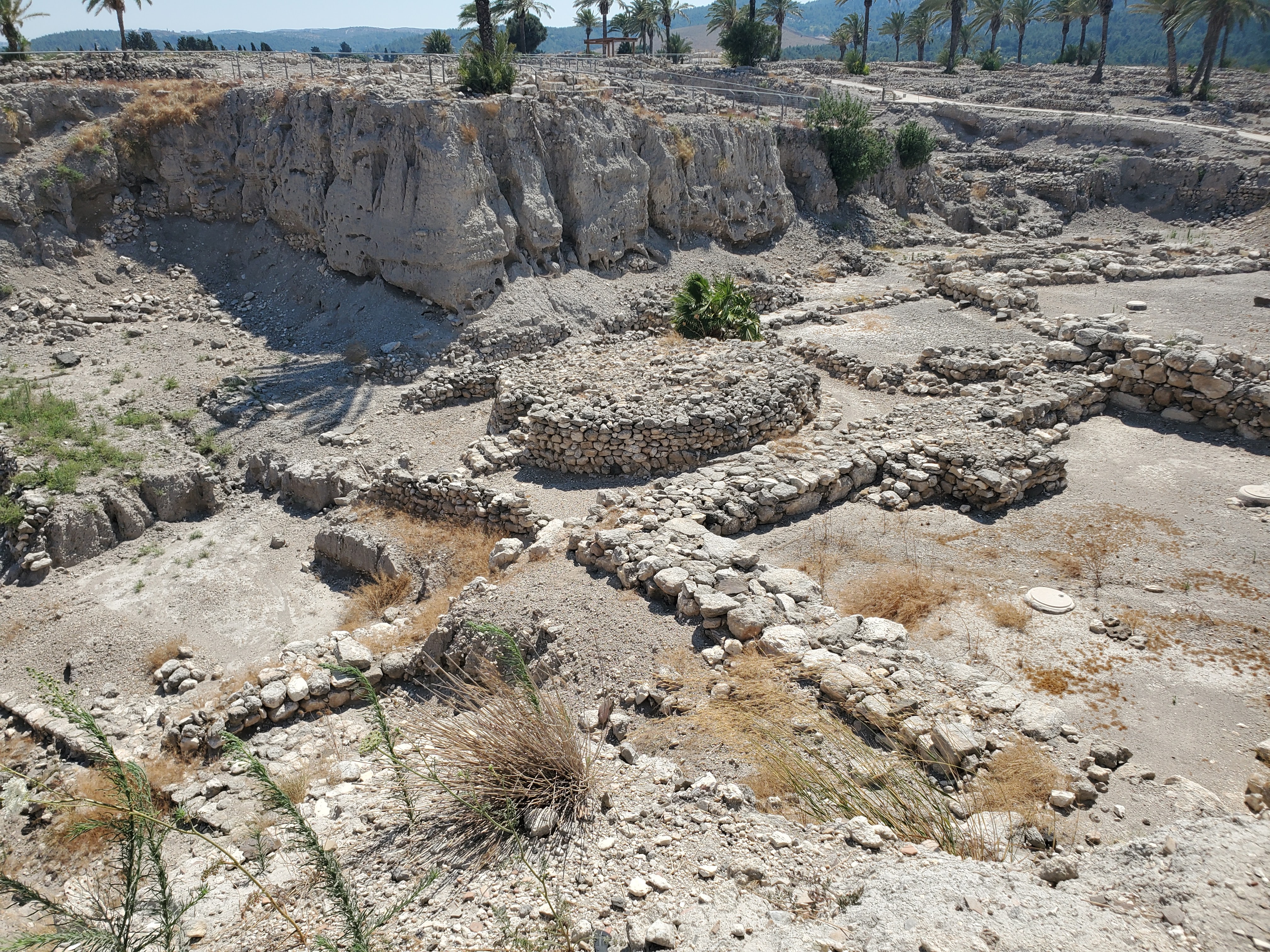
In the later Bronze Age, Megiddo become a vassal of Egypt, following its defeat by Thutmose III, and continued as an important Egyptian ally, controlling the trade route to Mesopotamia.
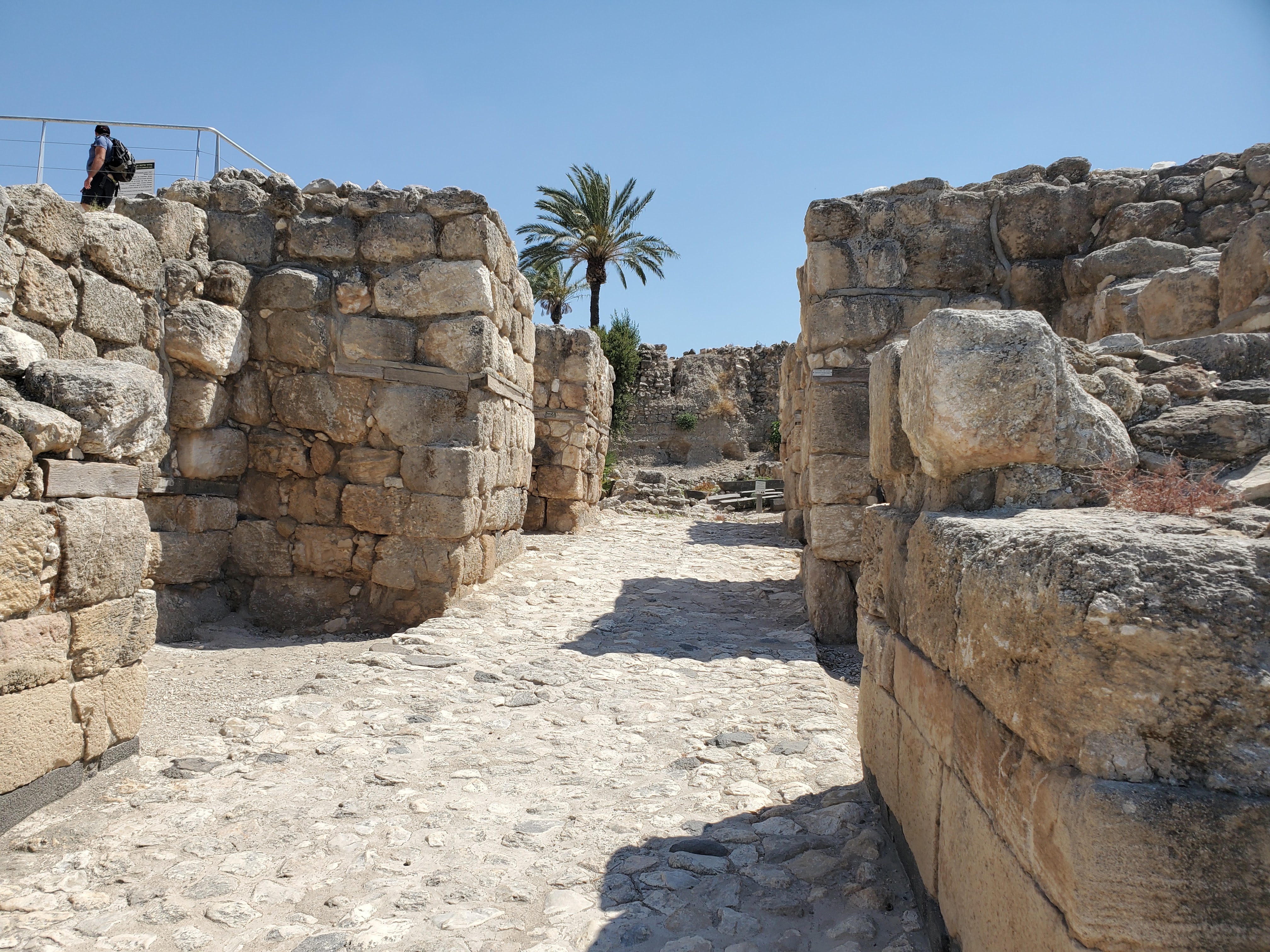
During the period when Egyptian dominance in the region slipped, Megiddo was conquered by King David and fortified by Solomon. Solomon expanded and reinforced the gate system.
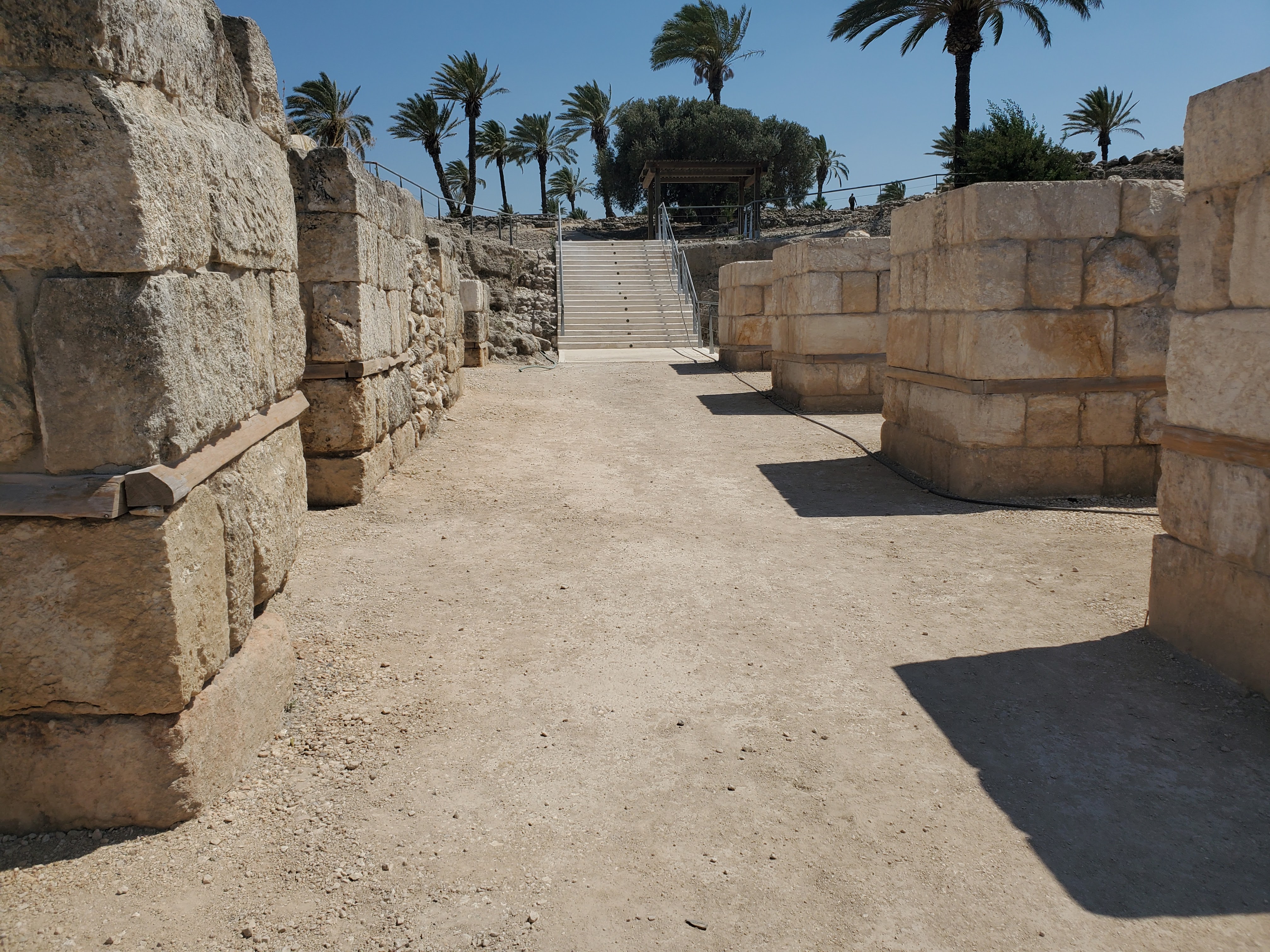
This replaced the earlier Canaanite gates.
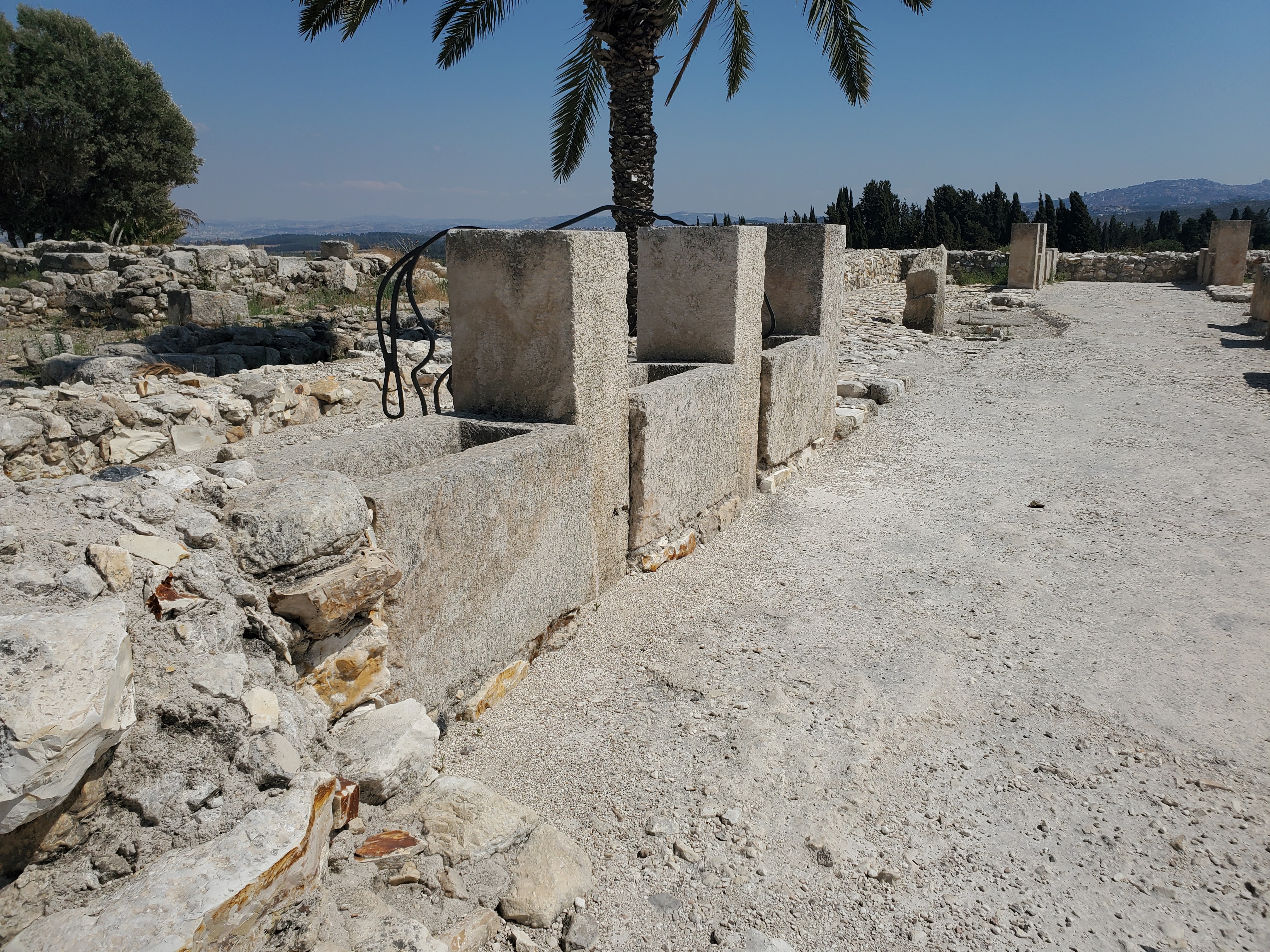
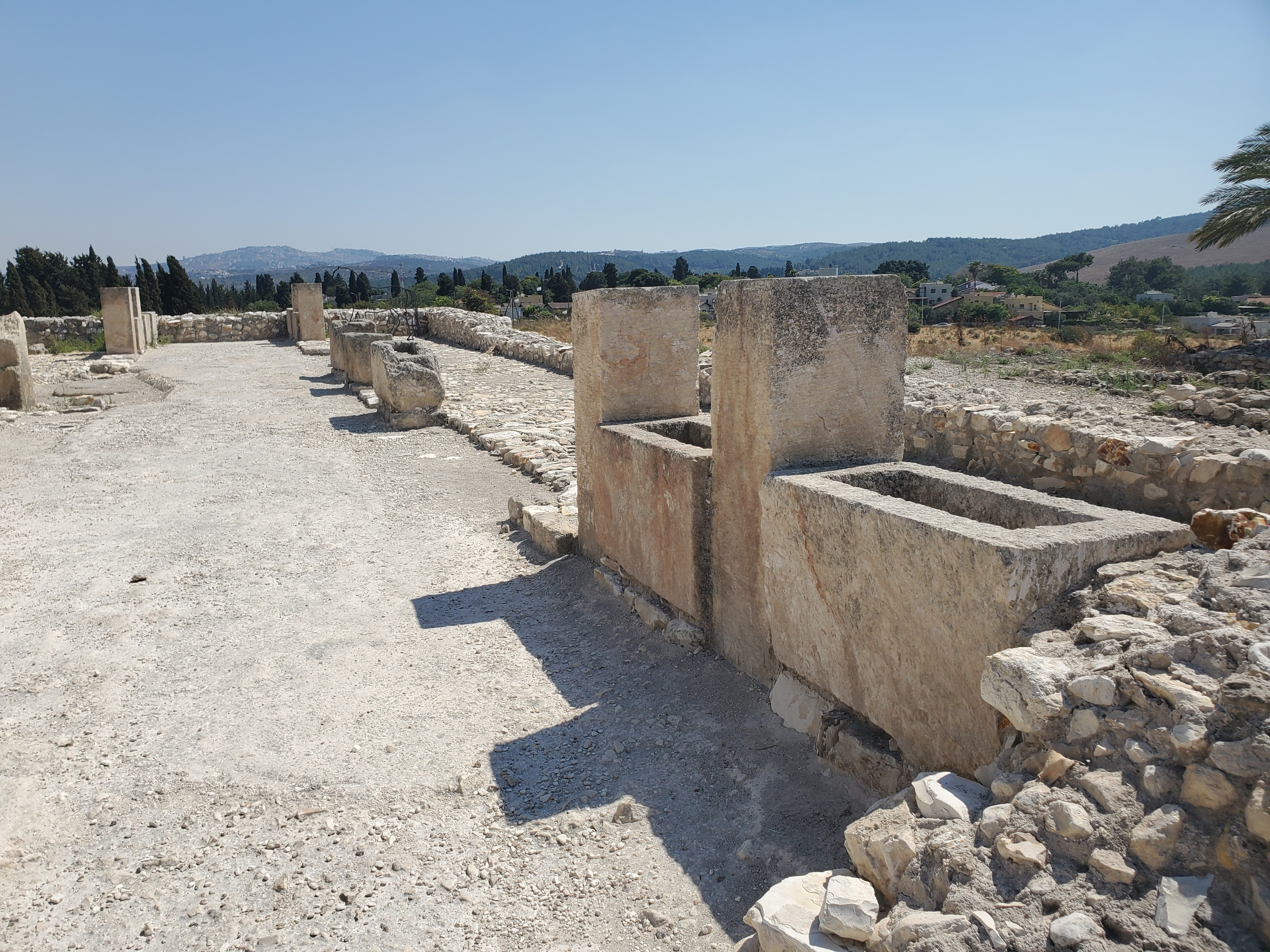
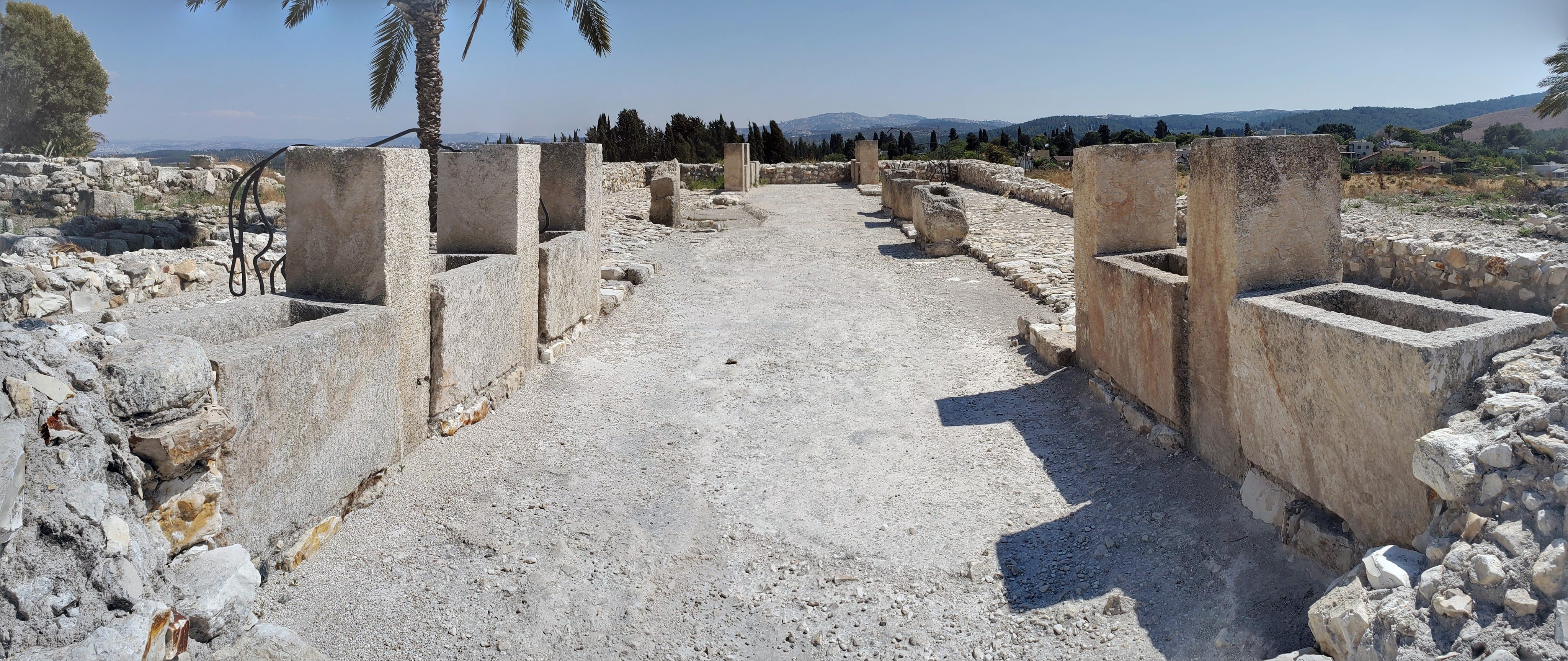
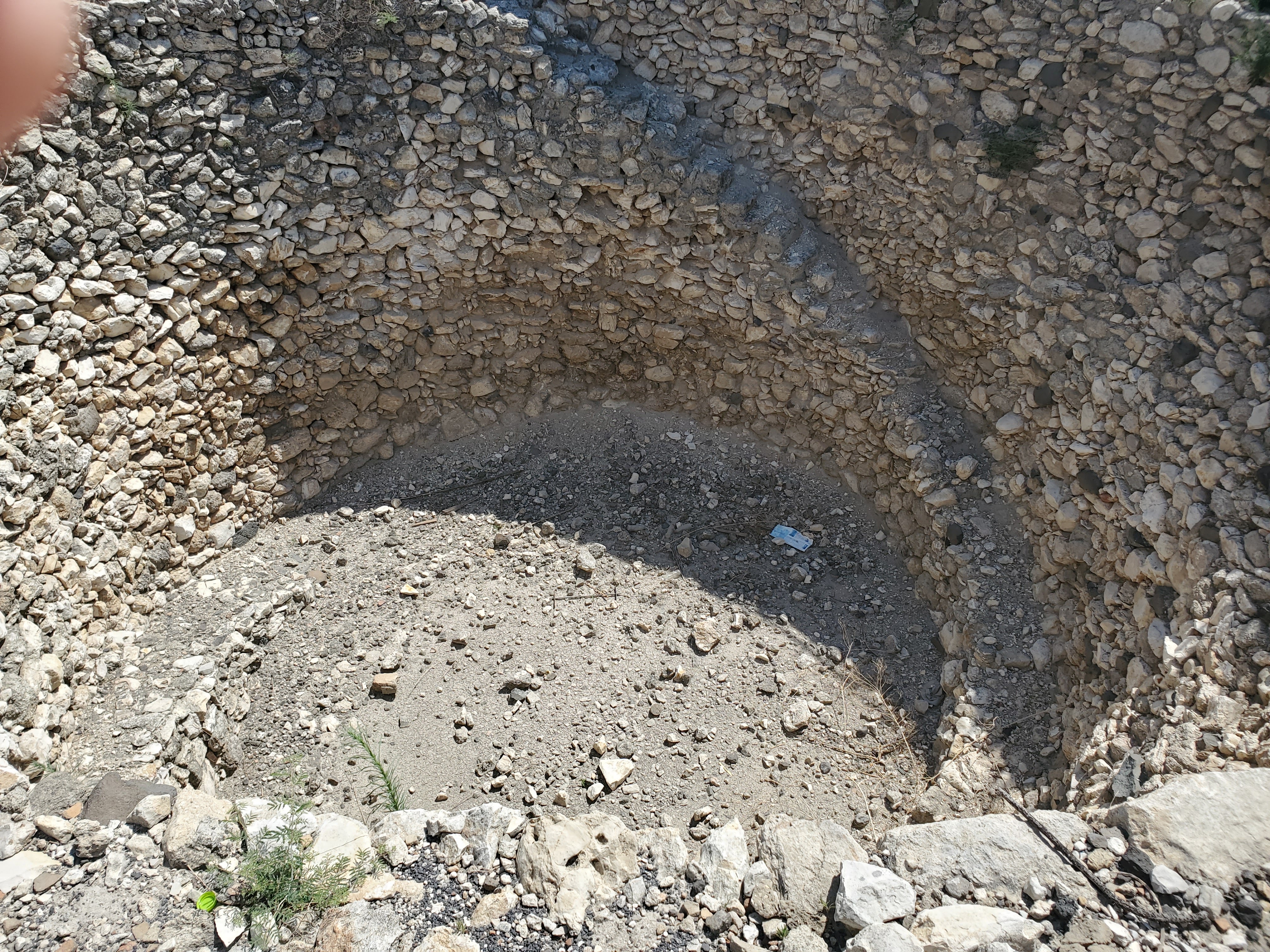
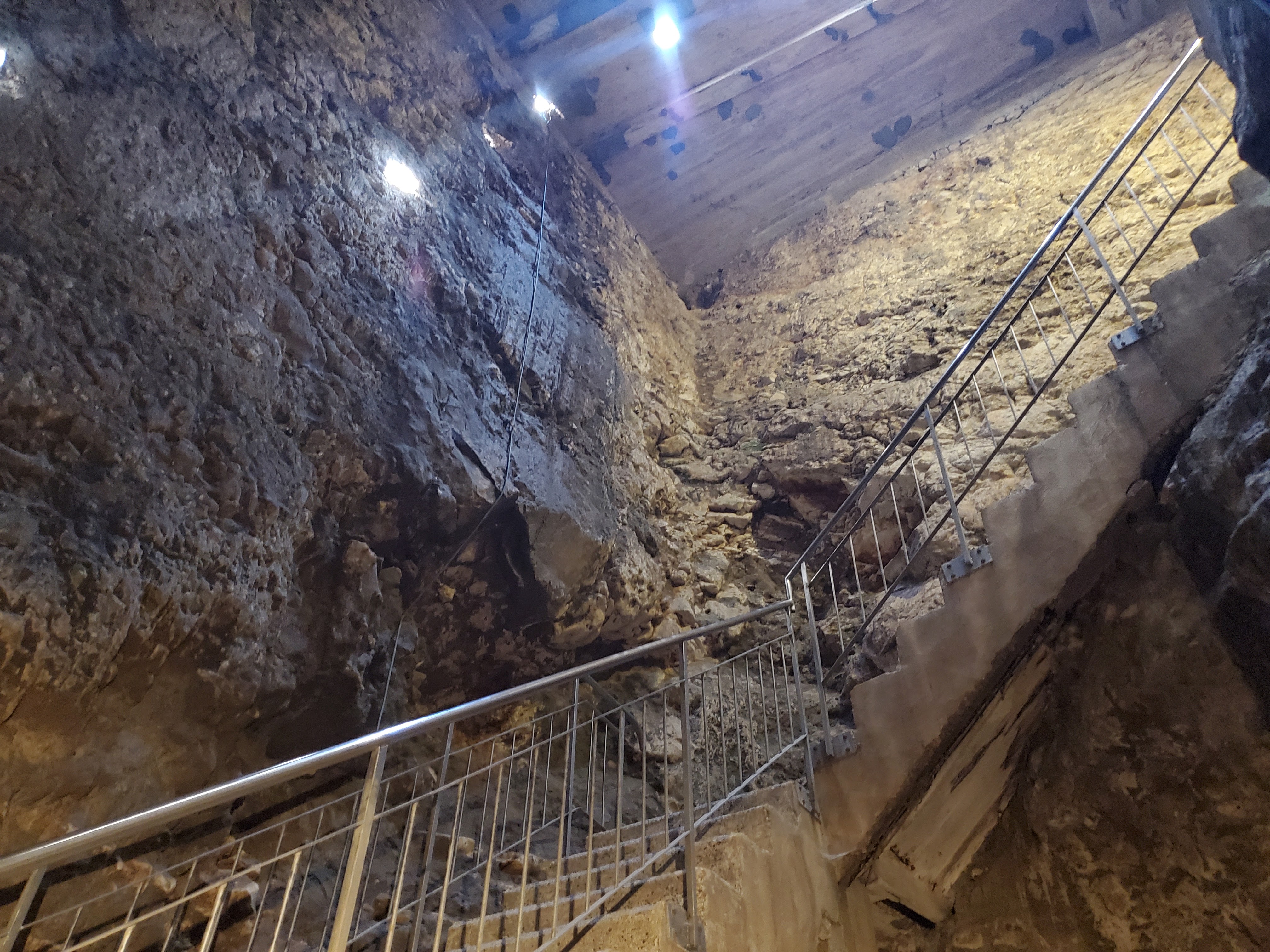
Following Solomon’s time, Megiddo went into a brief period of disrepair before it was expanded and strengthened by Ahab, King of Israel. Most date the construction of the massive stables to Ahab’s reign, as well as the intricate water system, designed to bring water in from outside the massive city walls, making Megiddo almost impervious to siege. The water supply, together with large granary silos inside the fortress could enable it to outlast most sieges.
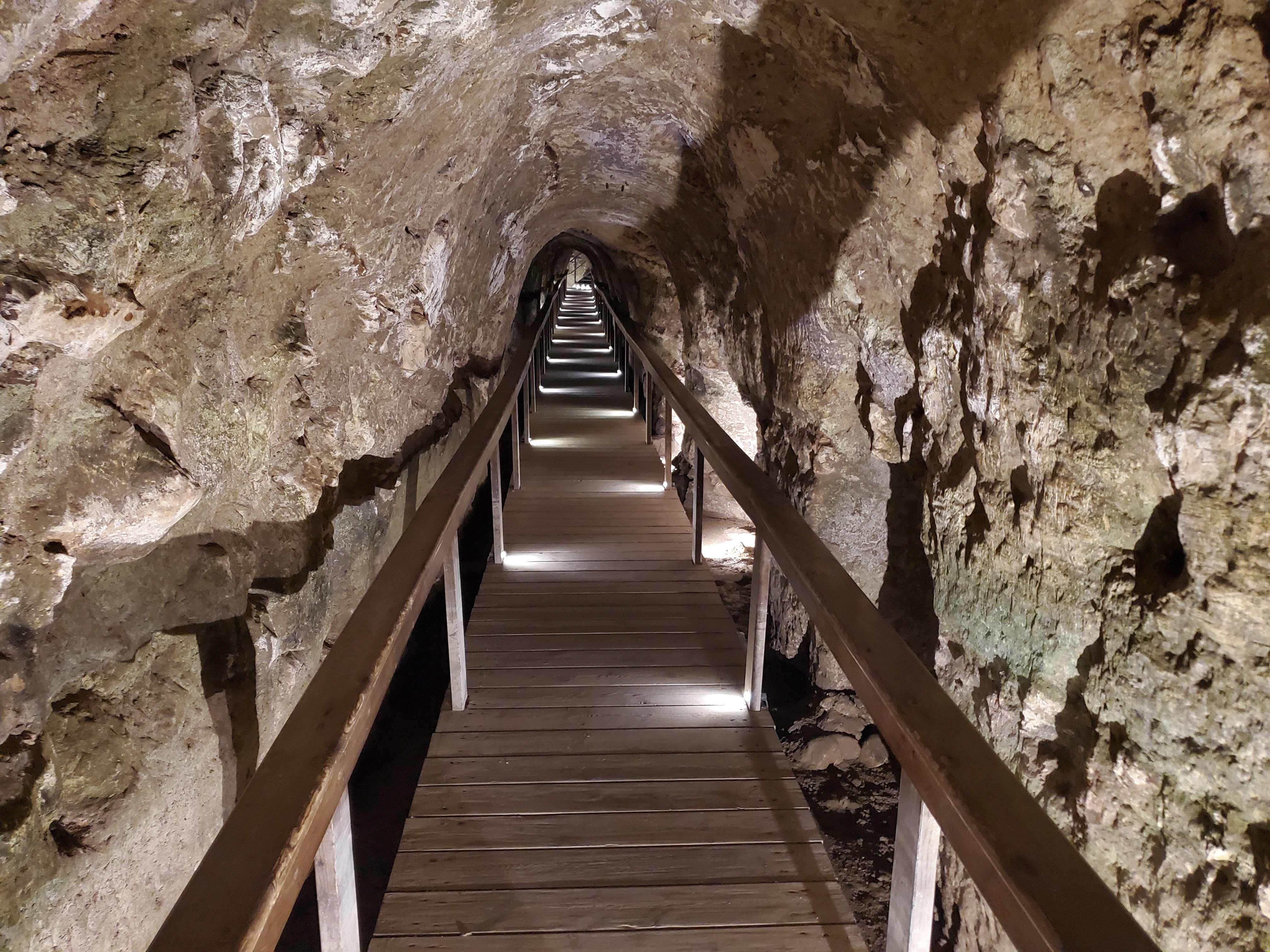
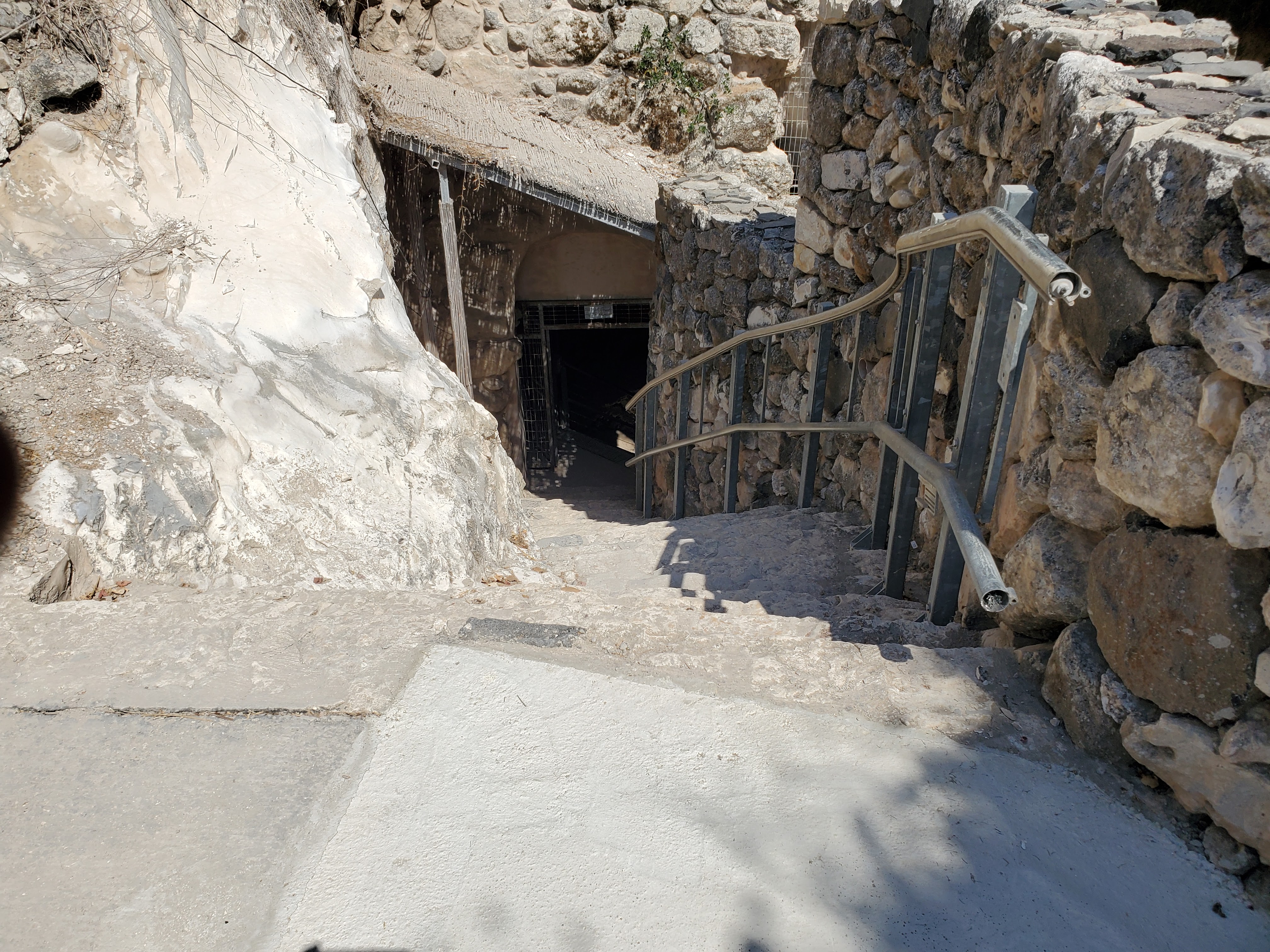
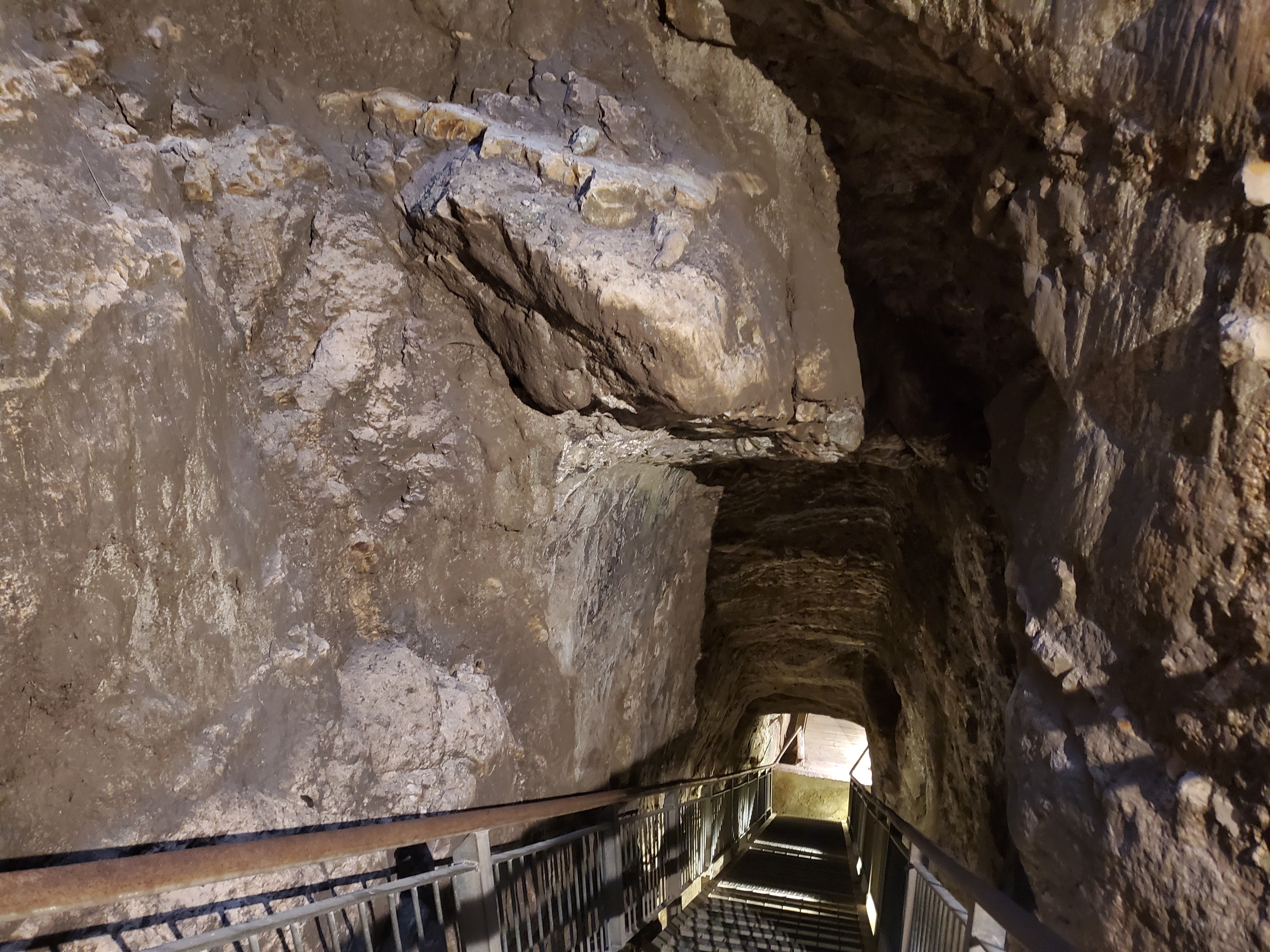
King Ahaziah of Judah, was wounded in Jezreel, when Jehu assassinated King Jehoram of Israel and fled to Megiddo where he died. Later, King Josiah of Judah was killed at Megiddo in the battle against the Egyptian army led by Neco, Pharoah of Egypt. This led Judah into becoming a vassal state of Egypt. Shortly, thereafter, in 586, when Judah was conquered by the Babylonians, Megiddo was abandoned.
For centuries, Megiddo, held what seemed like an impregnable position at the junction of the Jezreel Valley and the Wadi Ara, but political forces shifted, technology changed, and it became obsolete. It still offers commanding views of the valley below.
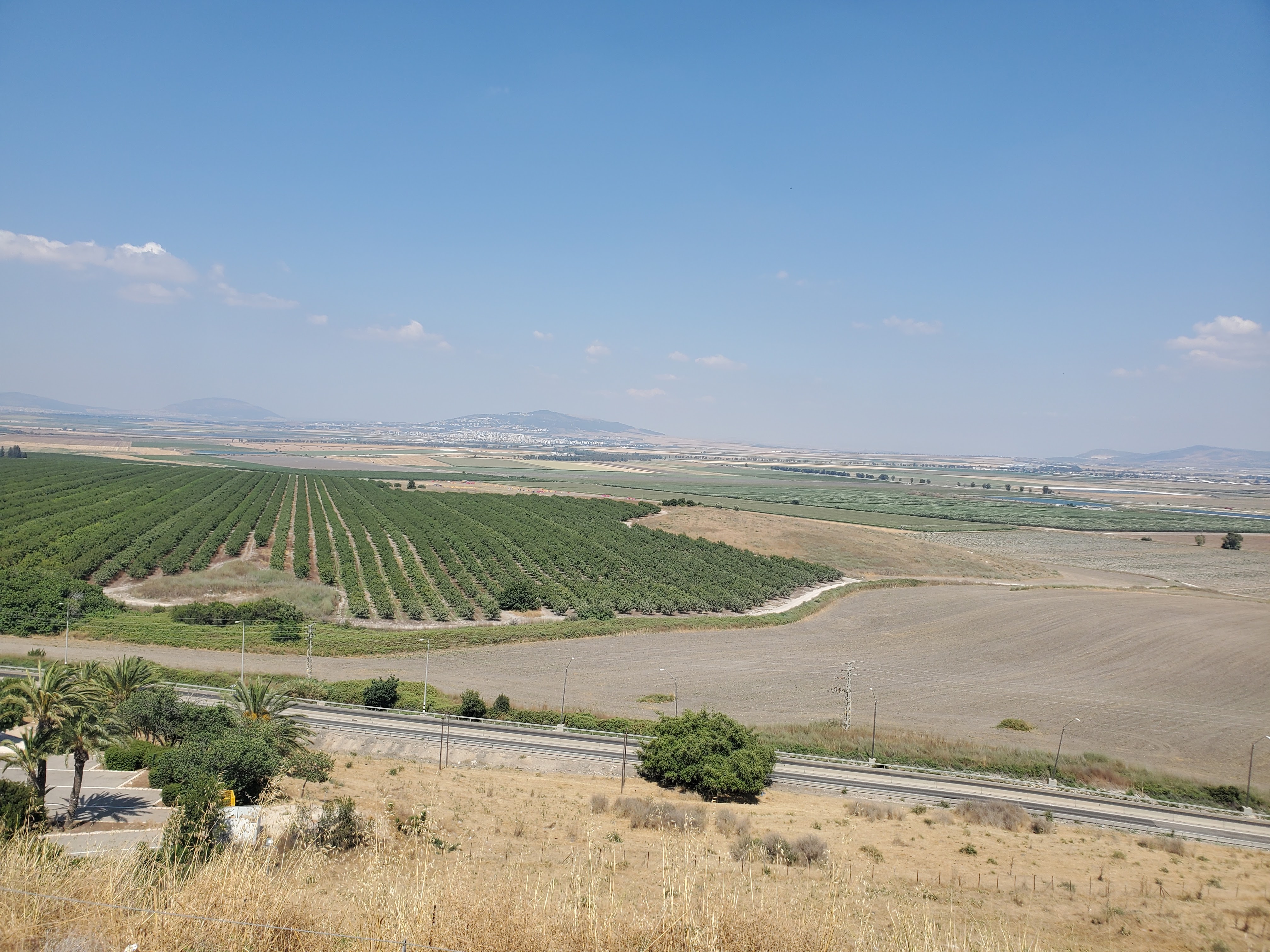
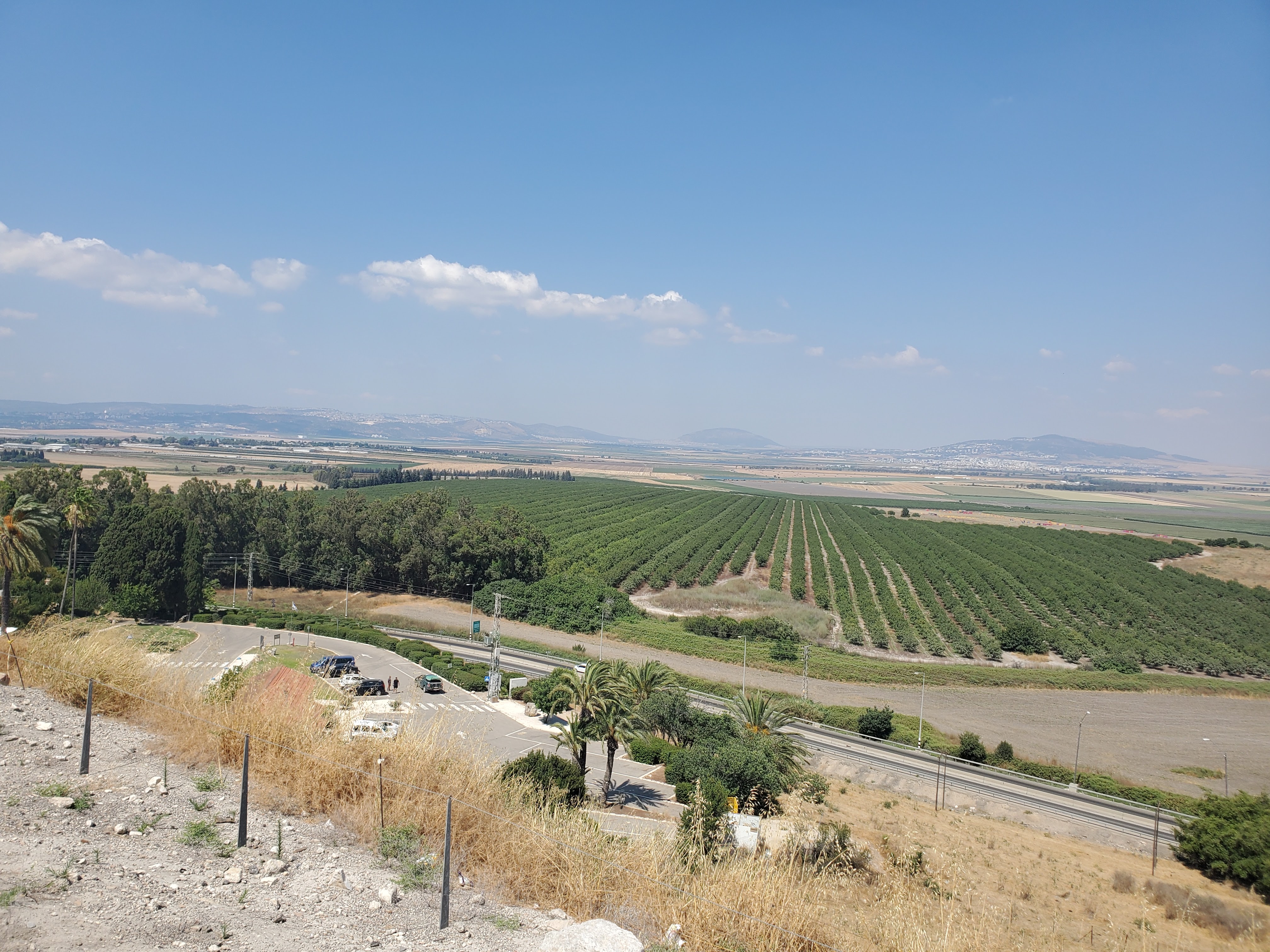
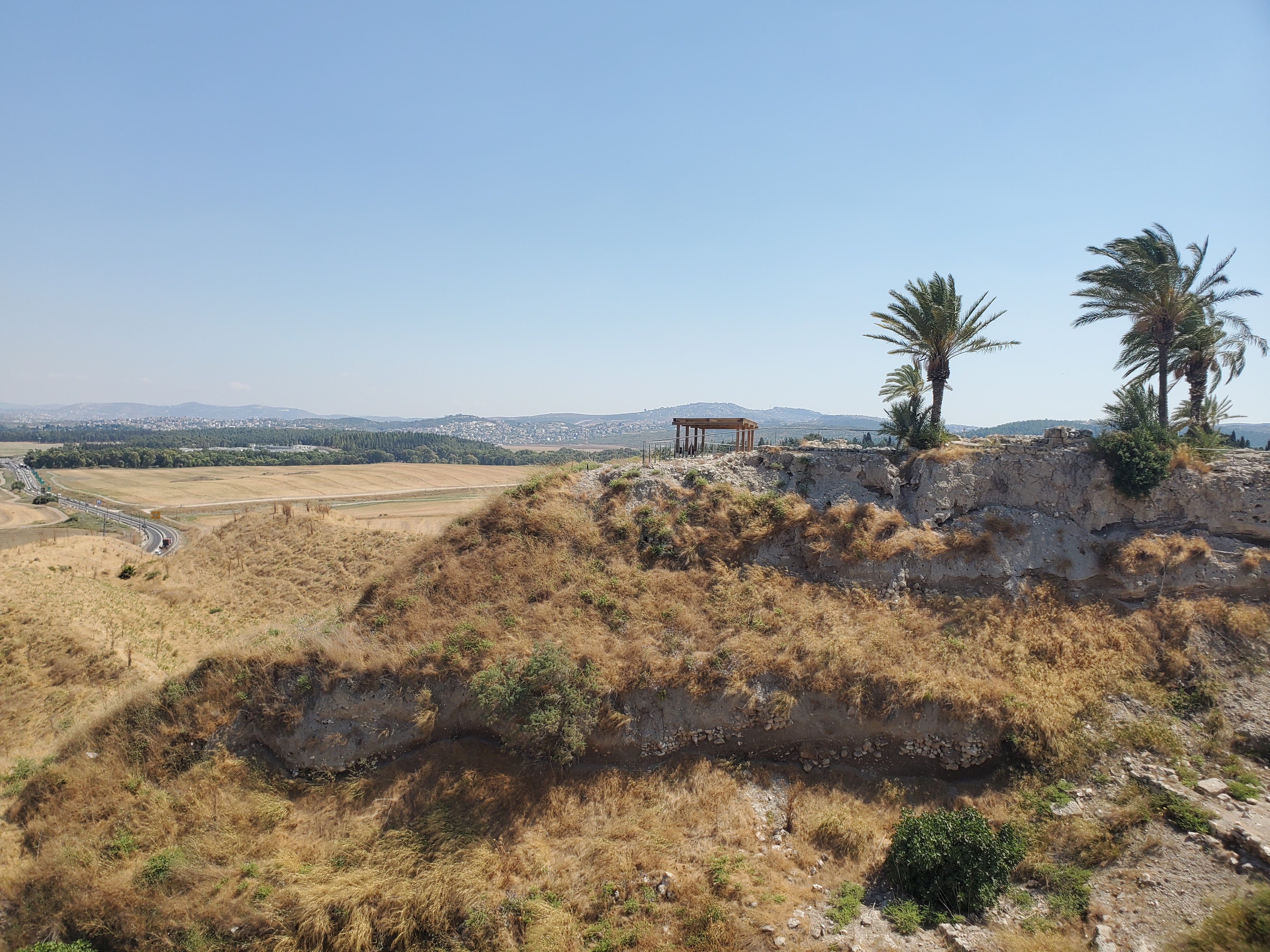
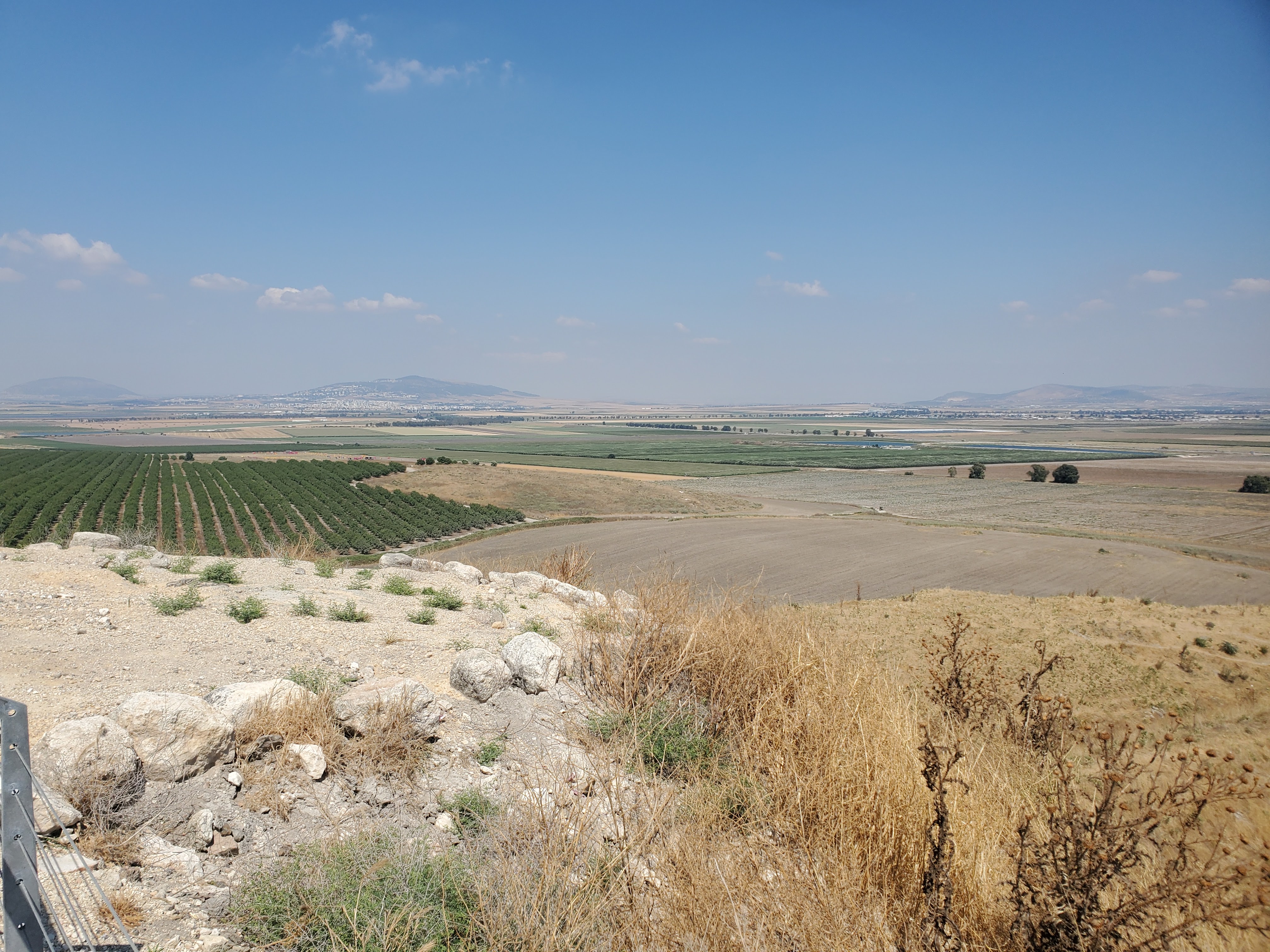
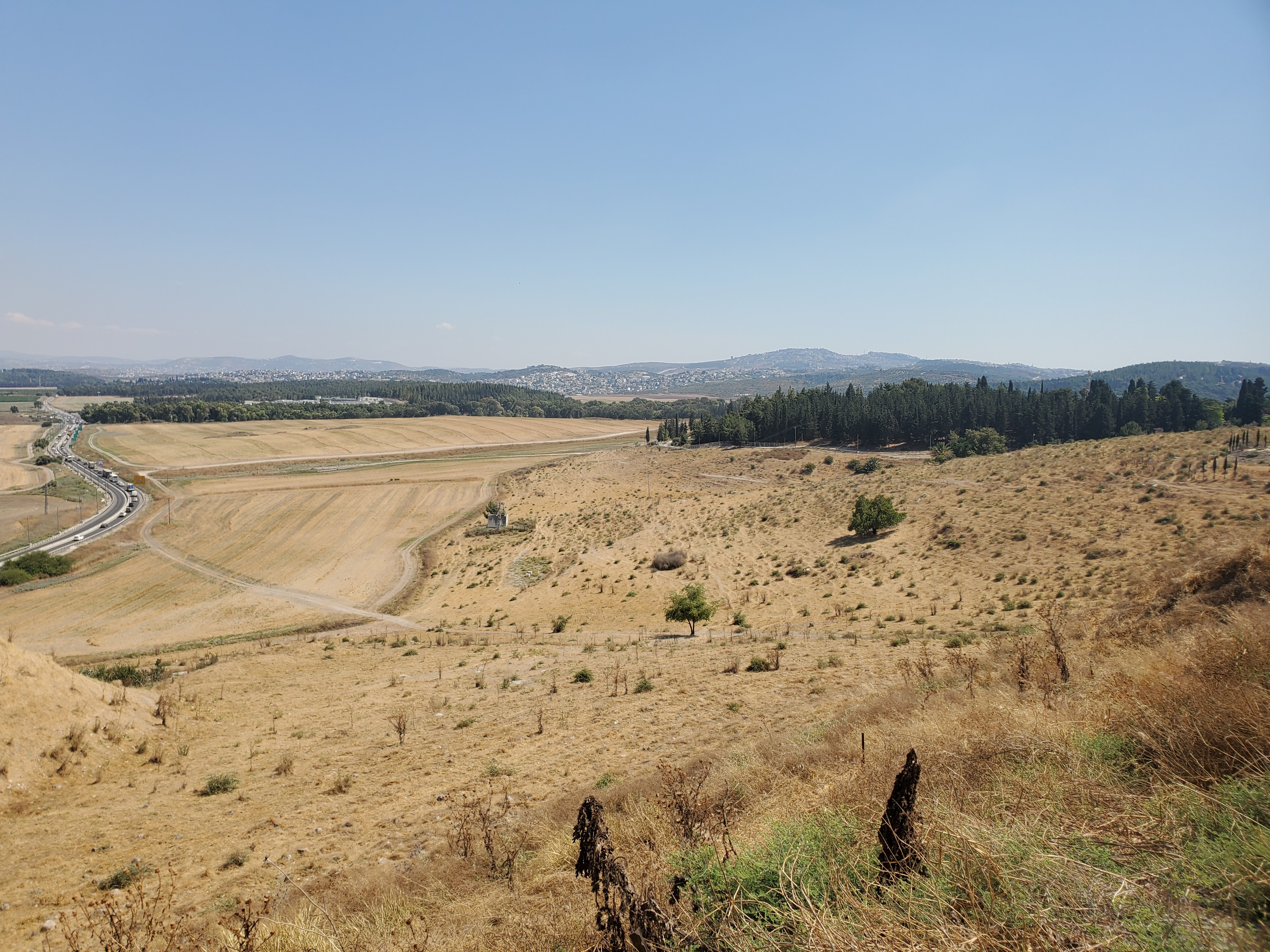
The view from Megiddo remains impressive, high above the plain below. Imagining the work required to build and rebuild and rebuild this massive edifice generation after generation after generation staggers the imagination. While the political map changed, Megiddo remained a constant for centuries, until it too became obsolete.
While Megiddo reached its greatest splendor during the reign of the Omride dynasty in Israel, particularly during the reign of Ahab, that isn’t the only Omride site in the Jezreel valley. Tel Jezreel or Tel Yizre’el contains what remains of the city of Jezreel, for a time, the capital and primary fortress of the northern kingdom. It was in Jezreel, that the Omride dynasty ended with the assassination of Jehoram by Jehu. And it was in Jezre’el that Jezebel came to her ignominious end after being thrown from the city wall and having her remains torn by dogs. Jezreel also is the location where Jezebel had Naboth executed so that Ahab could seize his vineyard. The trip to Jezreel was a relatively easy bus ride, albeit one with a long wait, followed by a lengthy walk from the highway to the tel itself.
Not much remains of this ancient capital, but it is still surrounded by rich agricultural lands.
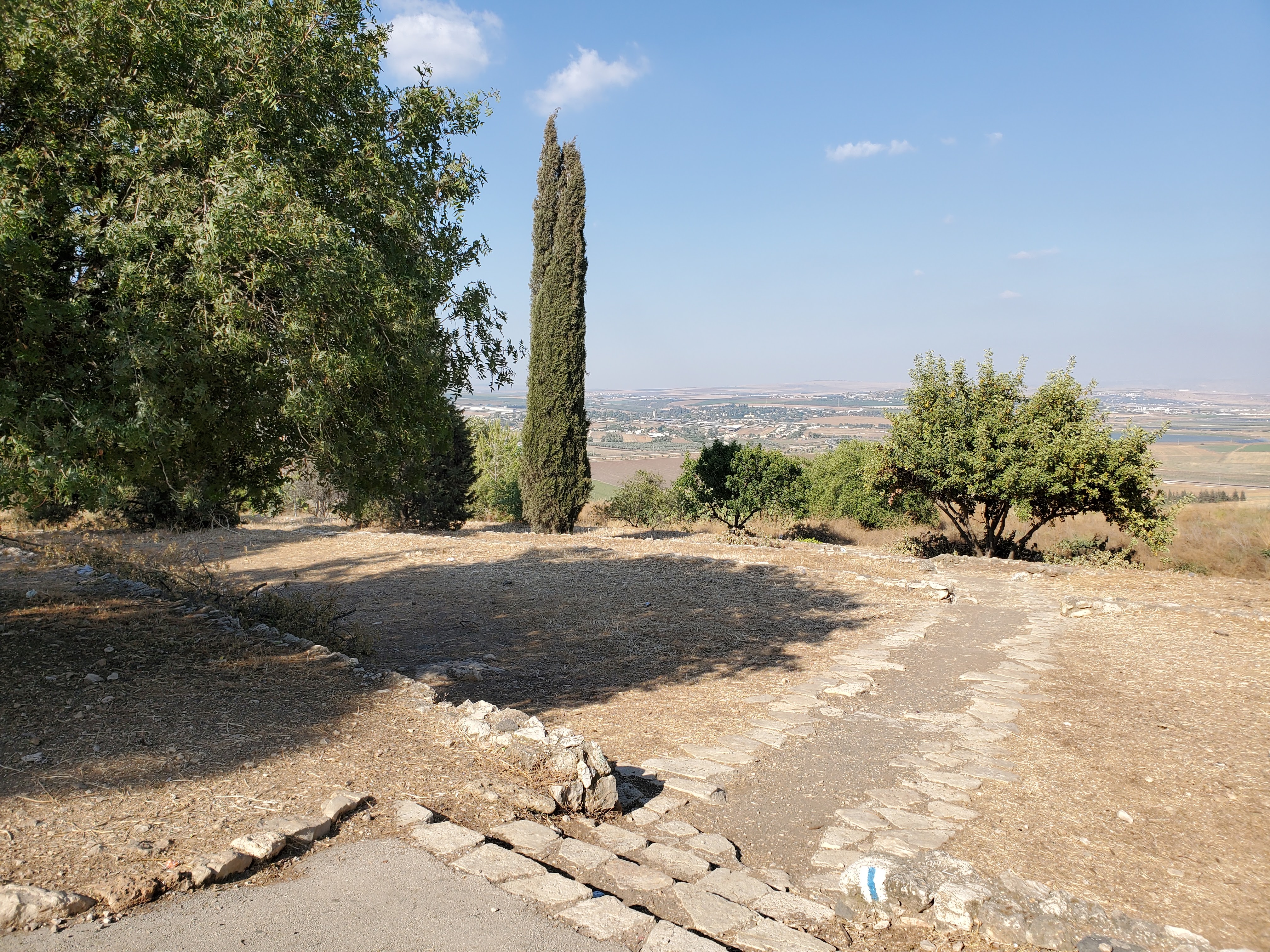
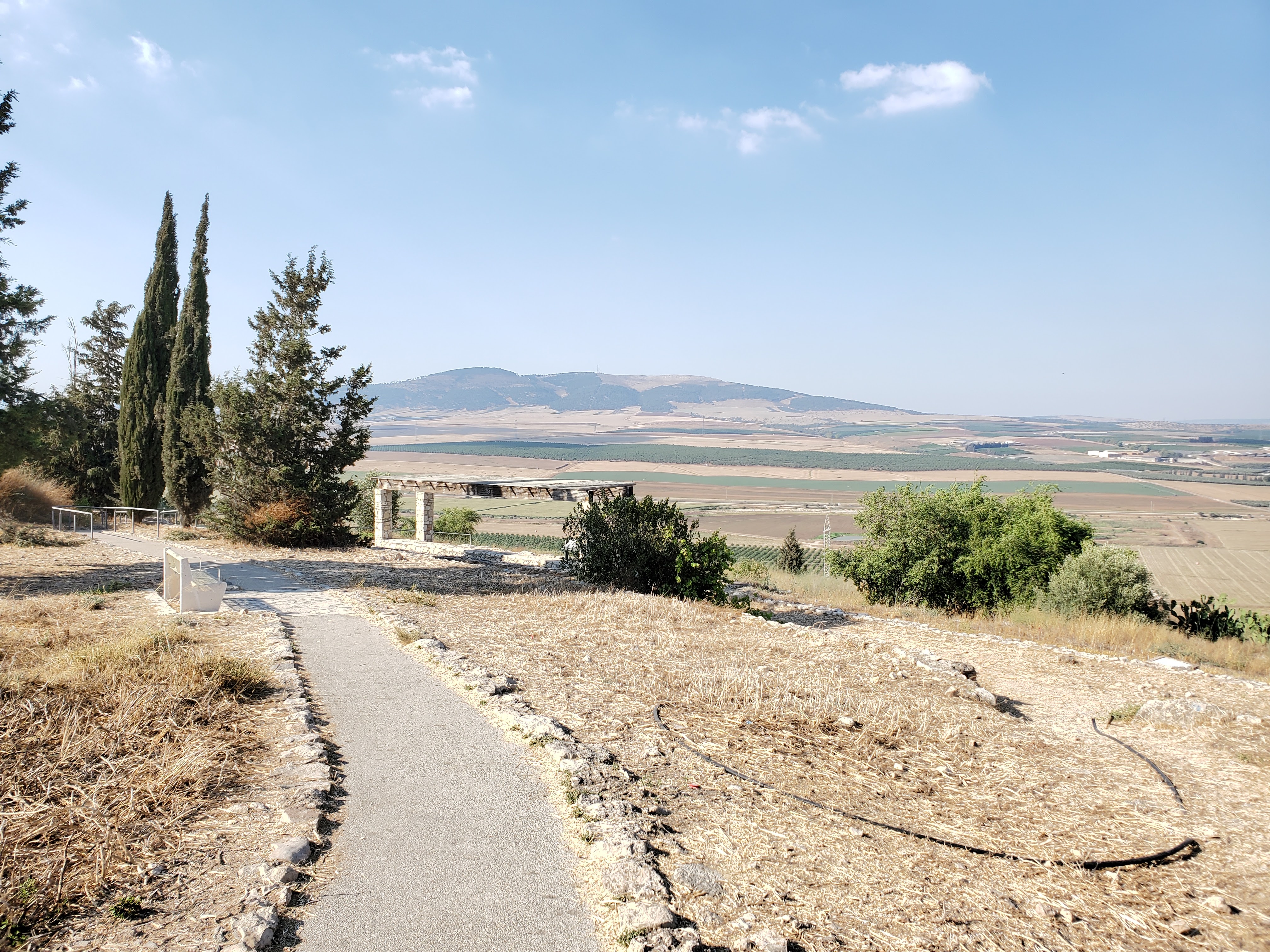
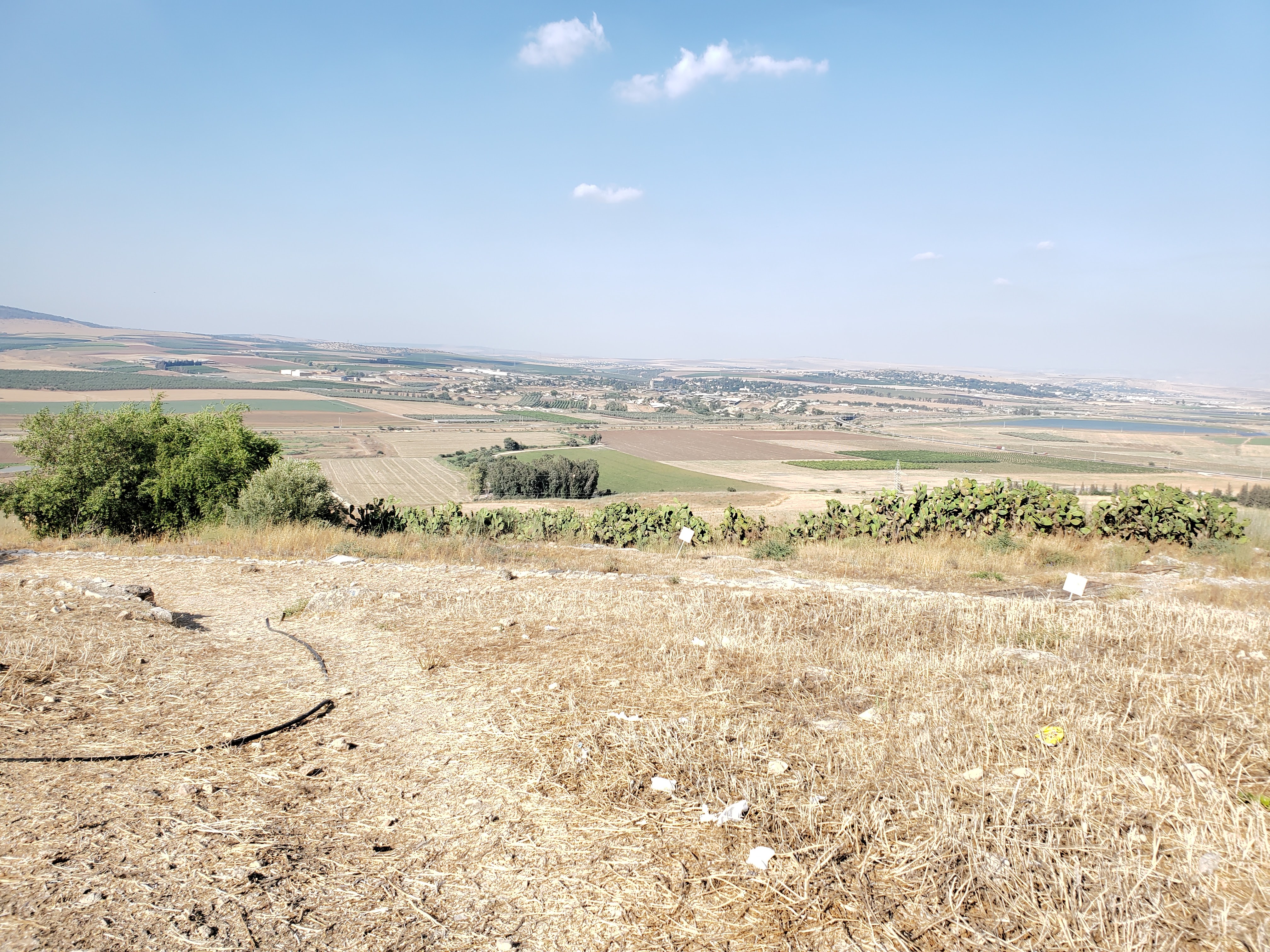
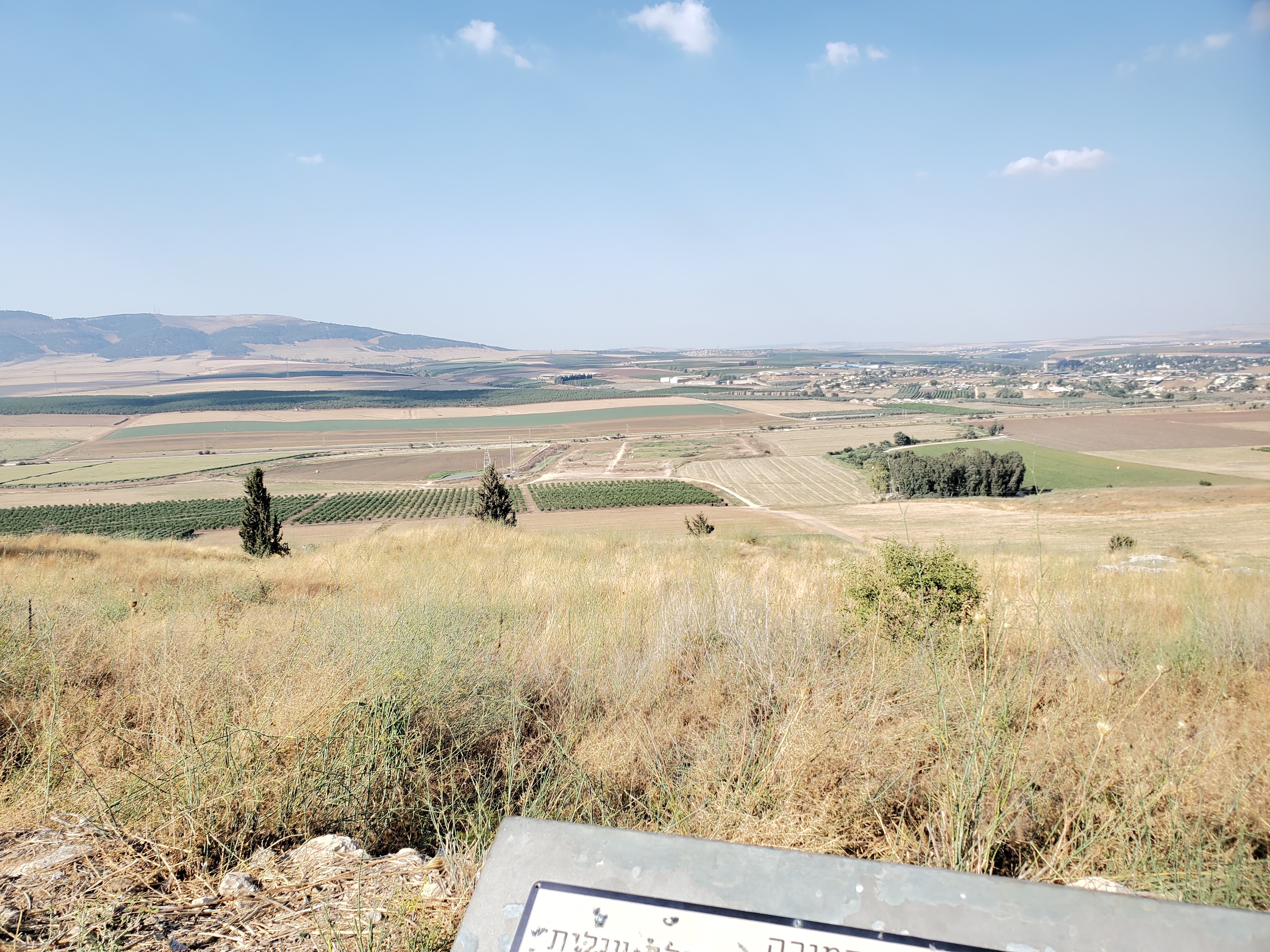
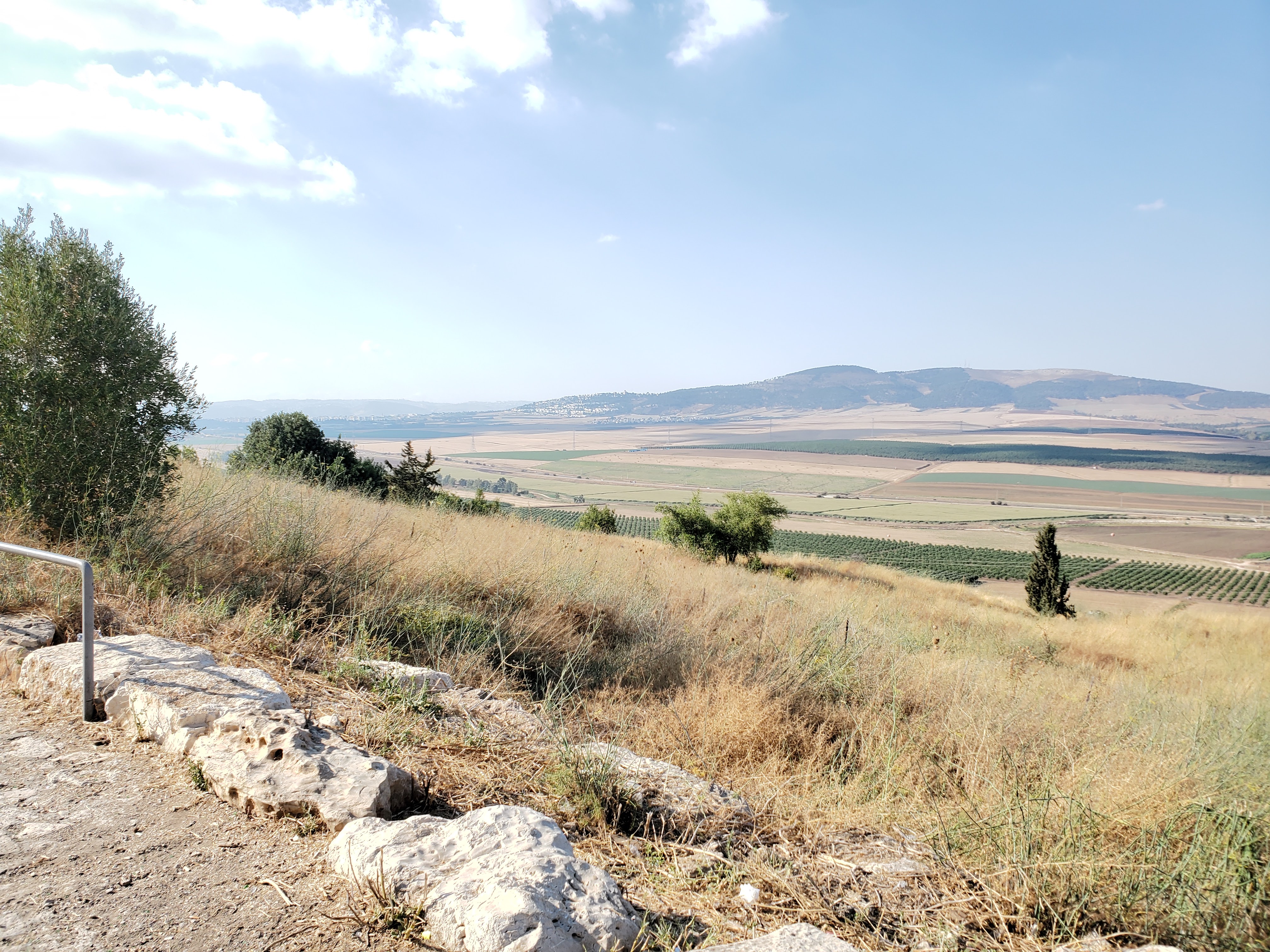
The Omrides reigned for almost 50 tumultuous years in the Israel. They created magnificent structures of their own, building storehouses and cities, and an impressive administrative structure. Today, they are largely forgotten, except for their tales of evil and treachery. They were succeeded by the House of Jehu for almost 100 years and little remains of their efforts as well.
The name of the Jewish state comes from the northern kingdom, probably half of the Jewish people are descended from members of this kingdom (most likely headed south following the Assyrian conquest). A significant portion of the modern state occupies the land once ruled by the kings of Israel. Megiddo and Jezreel serve as reminders that fame and power are transitory. Eventually one technology makes another obsolete, a site once central becomes secondary, one nation replaces another. For a brief afternoon, I spent some time with the ghosts of the House of Omri, remembering glories now forgotten.

 My Journey to Israel: Connections and Disruptions