From Motza to Jerusalem is a very short drive, but it feels like a trip to a different universe. Motza is a sleepy suburb, while Jerusalem is a bustling city, filled with incongruities on almost every corner. Modern buildings rise next to ancient ruins, ultra-Orthodox Jews wait at bus stops next to young women in shorts and crop-tops, men in orthodox garb ride bikes down the street engrossed in whatever is on the screen of their phones. Jerusalem exists in a realm that is both real and magical at the same time.
The bus ride from Motza to the central bus station takes only a few minutes. From there, one merely has to cross the street for a bus to the Old City.
I crossed the street and then decided I needed a falafel more at that moment, than I needed to get on a bus. Fortunately, I was standing right in front of a falafel stand. After not too long a wait, my growling stomach and taste buds were rewarded with falafel on laffa with hummus, techina, salad, onions, fries, and charif. Laffa is a flatbread, that is larger and thinner than pita that is used to wrap around the contents of the sandwich, whether its falafel or sabich or shwarma. The charif, hot sauce, was a green Yemenite zhoug, although not very hot, and the french fries were hot right out of the fryer. Few things in life taste better than street food and few street foods are better than falafel.
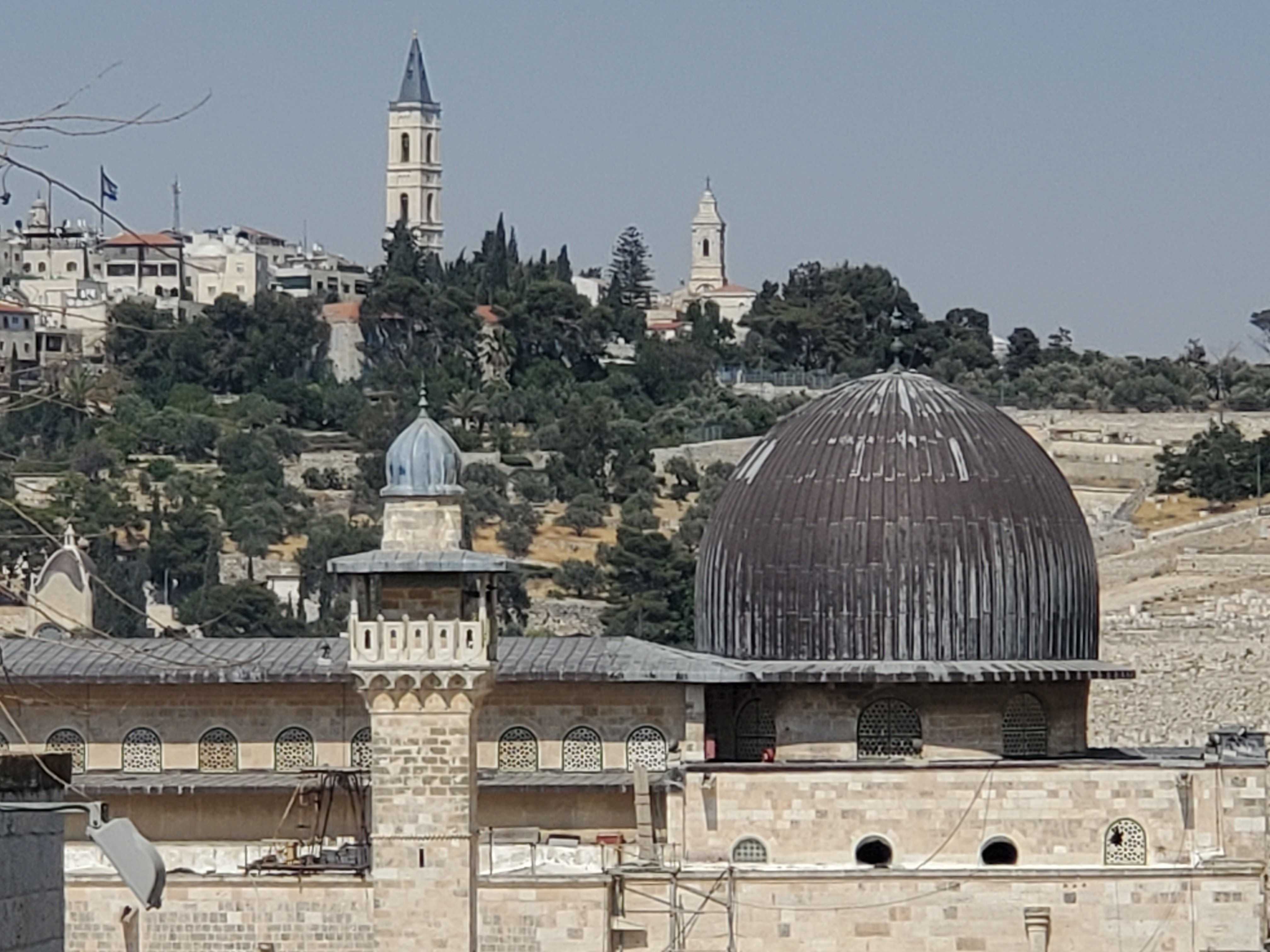
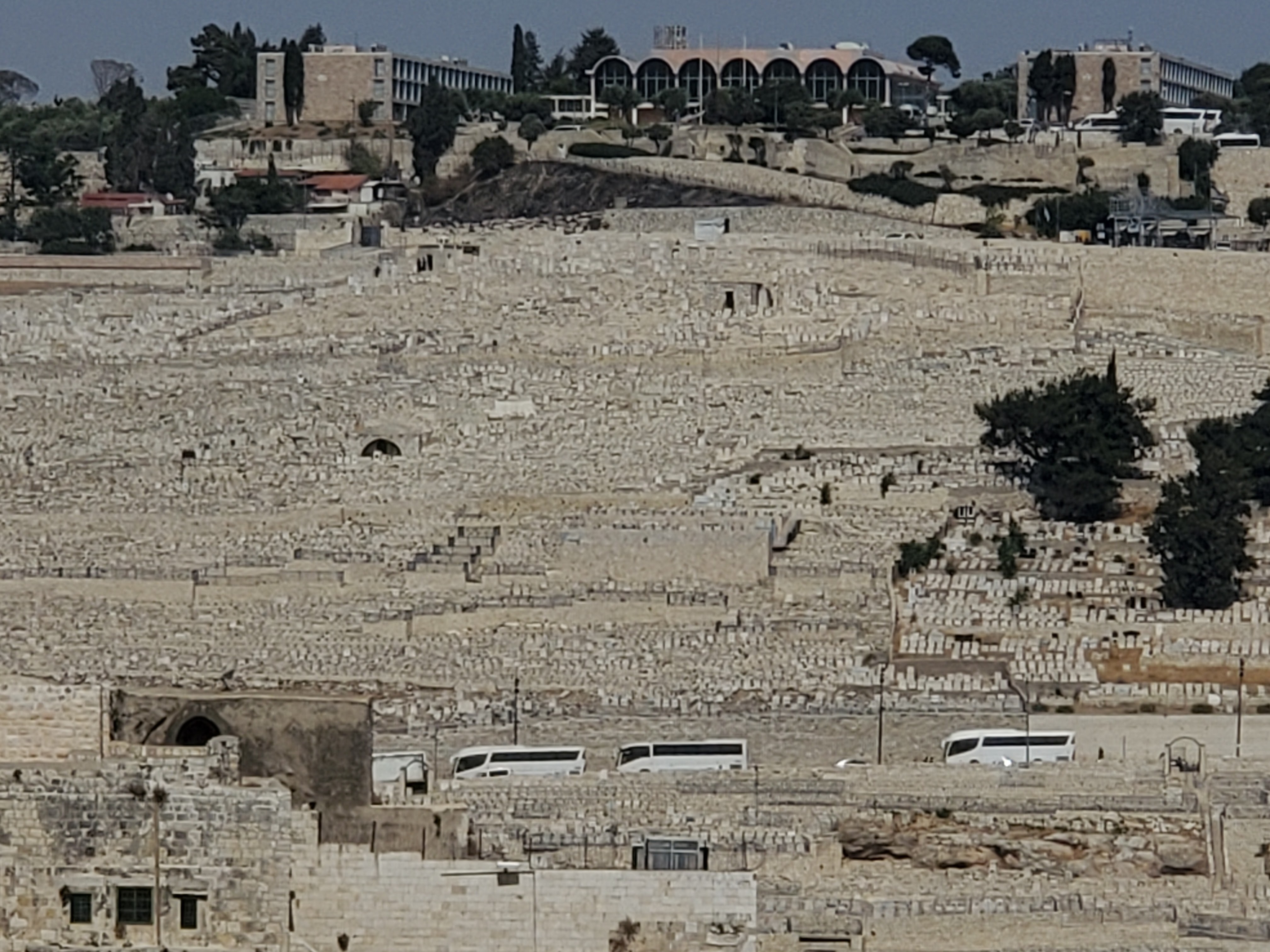
Strengthened, I rode to the Old City, and entered through the Dung Gate right to the Kotel Plaza. The ride was somewhat eventful. The bus driver and a car played chicken in terms of who could get into the single file position first. The bus won. The driver, visibly angry at what remained of his right side back quarter panel, blocked the bus, jumped out and started shouting at the bus driver. The bus driver shouted back. The exchange went on for a few minutes, then they shook hands (the car driver more reluctantly)and we were free to continue the last several feet into the Old City. To the east of the Old City, or left side of the bus was the Mount of Olives, besides the row after row after row of graves, one could immediately see the landmarks of the Augusta Victoria Hospital with its bell tower, the colorful Church of All Nations, the gold-domed Russian Orthodox Church of Maria Magdalena, and atop the mountain, the Seven Arches Hotel. Looking to the immediate north and south of the gate entrance a visitor can see the City of David archaeological excavations.
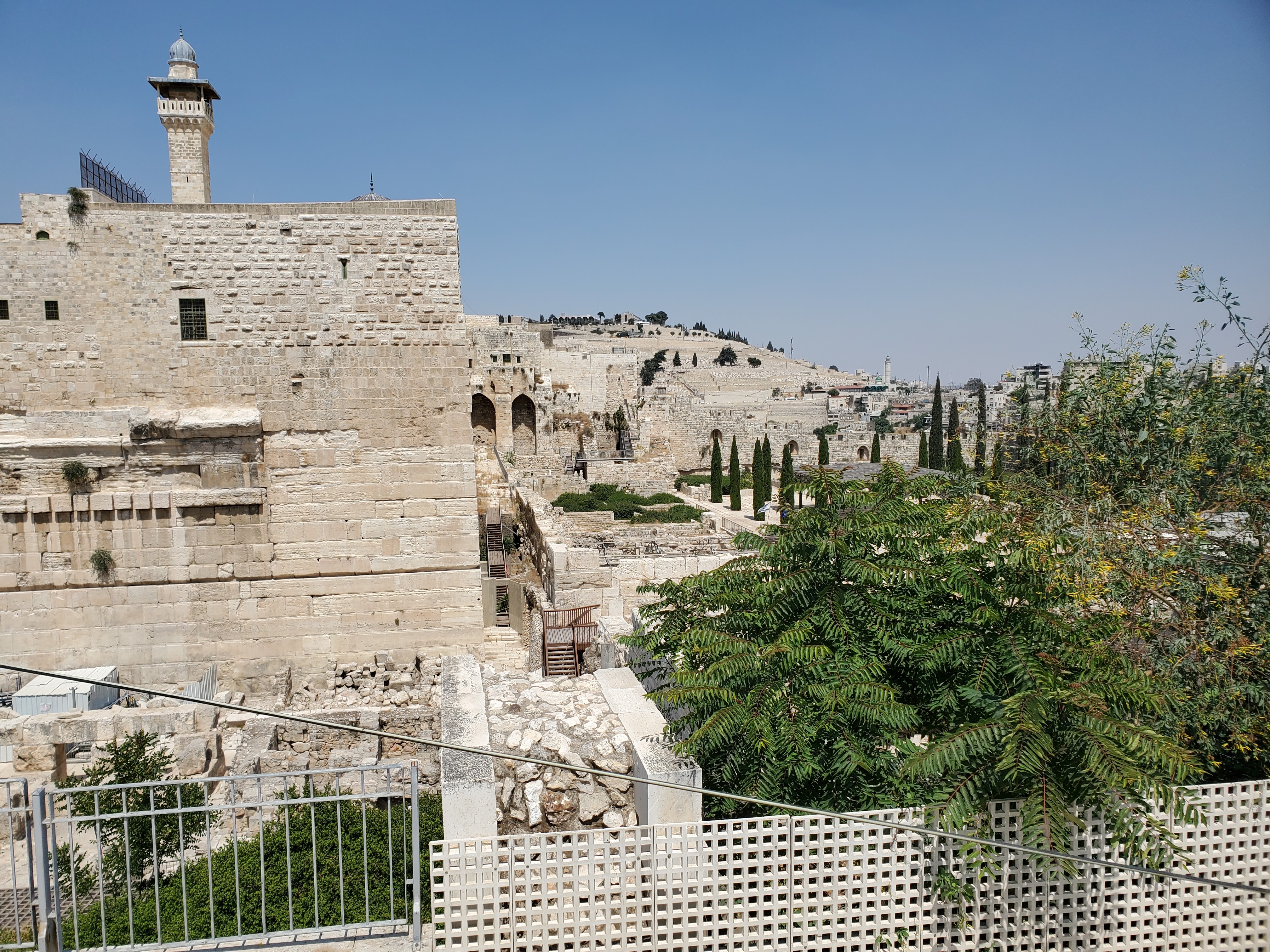
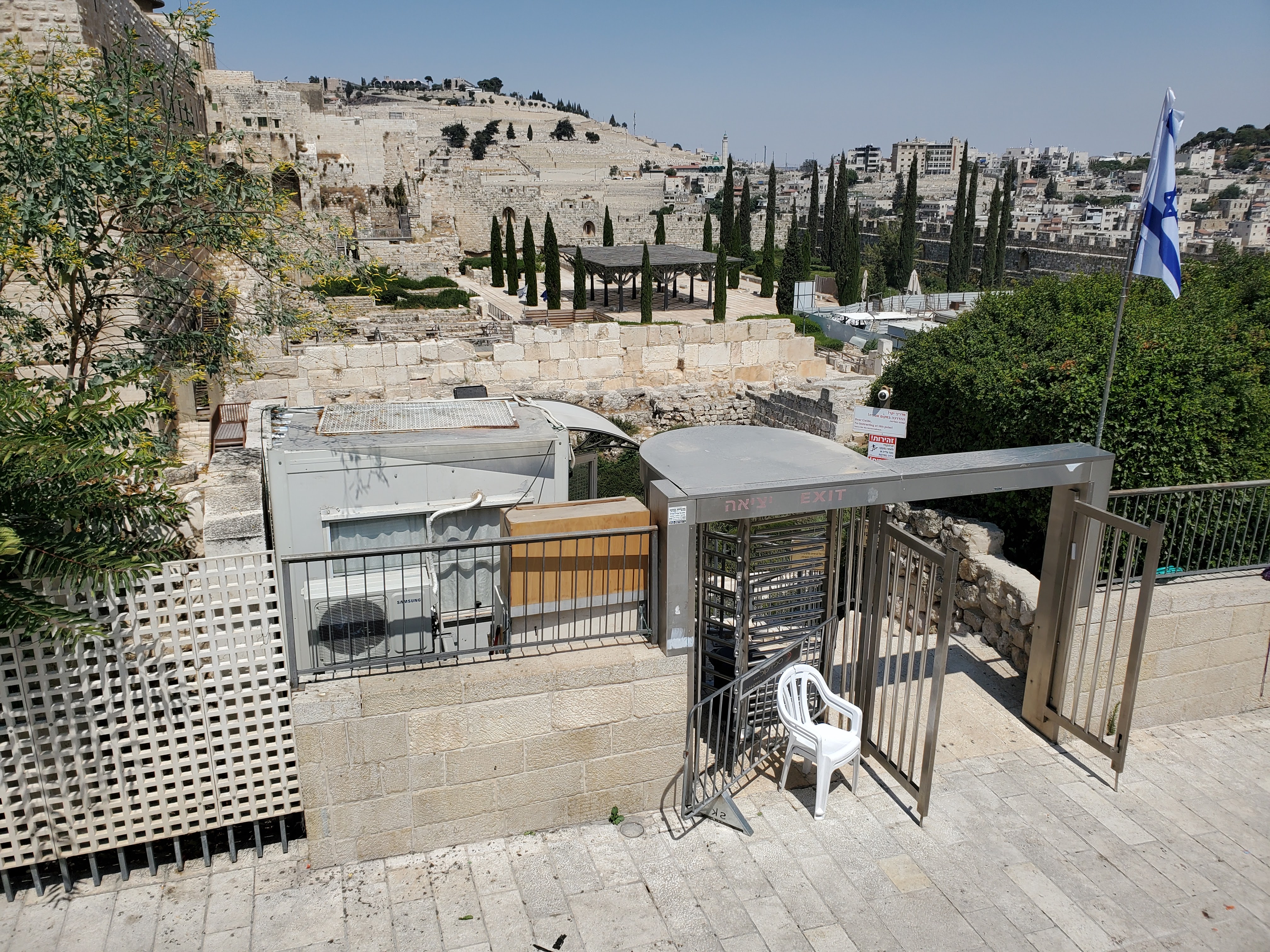
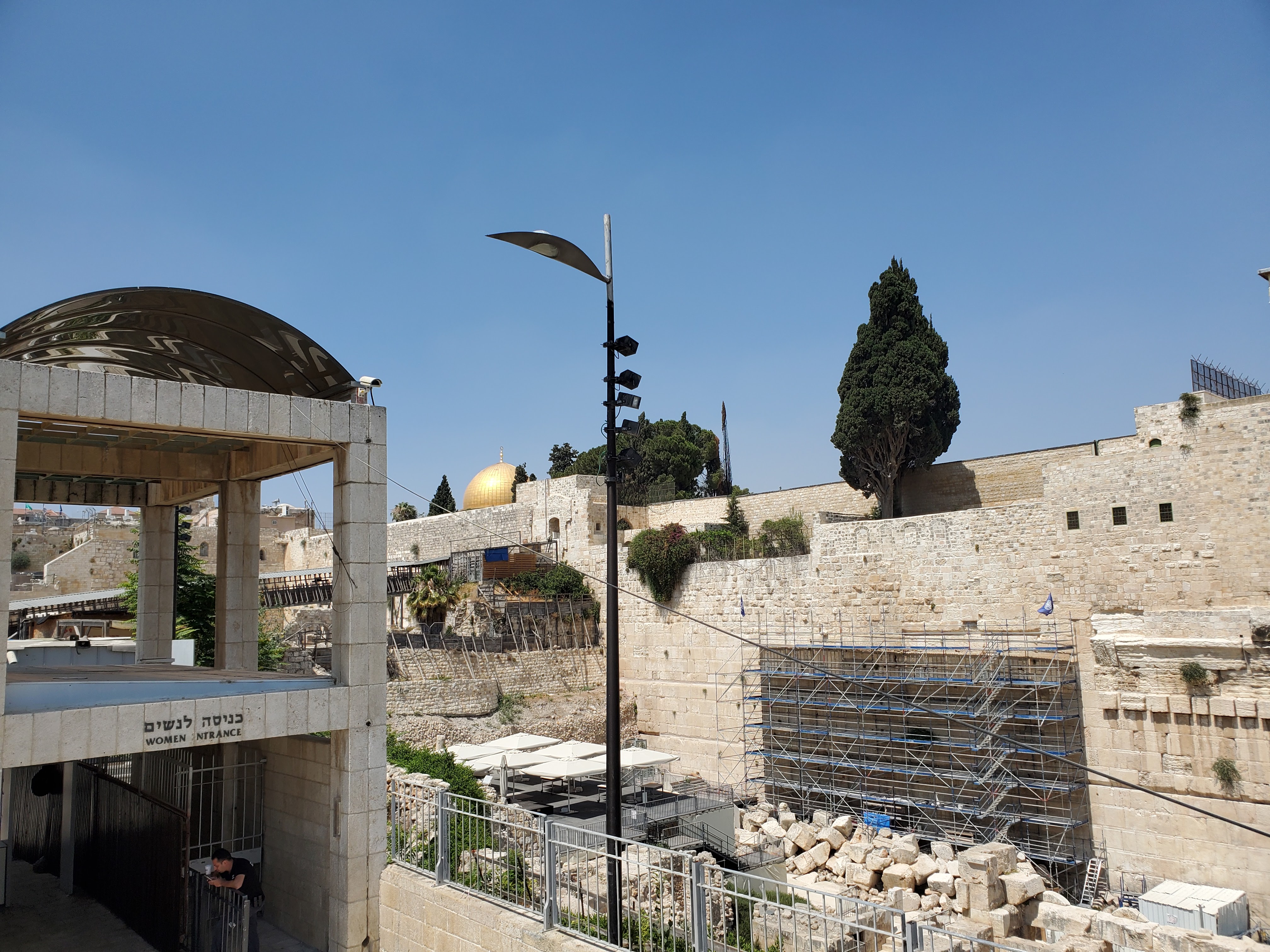
As many times as I’ve been to the Kotel, I am still moved by its sight and its sheer presence. There is something almost primordial about this place that evokes feelings of an ineffable encounter with the infinite. The Kotel is more than the surviving remnant of the Temple (actually not even the Temple, but the retaining wall for the Temple Mount), it serves as a nexus to history, spirituality and the web of connections between them.
I took the opportunity to reconnect, to pour out what was in my heart and enjoy a moment of catharsis. I bid my farewells and then continued my explorations of the area.
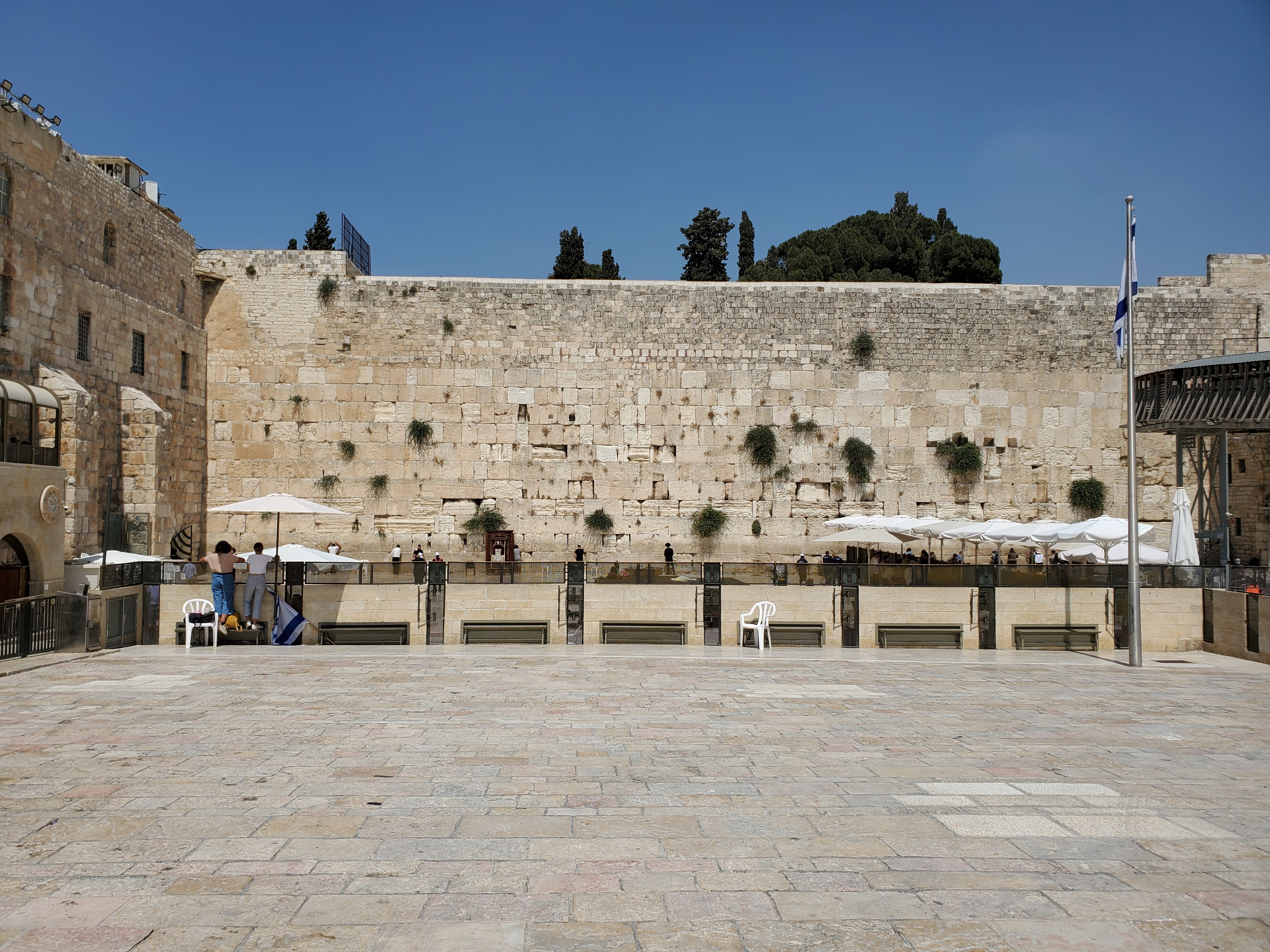
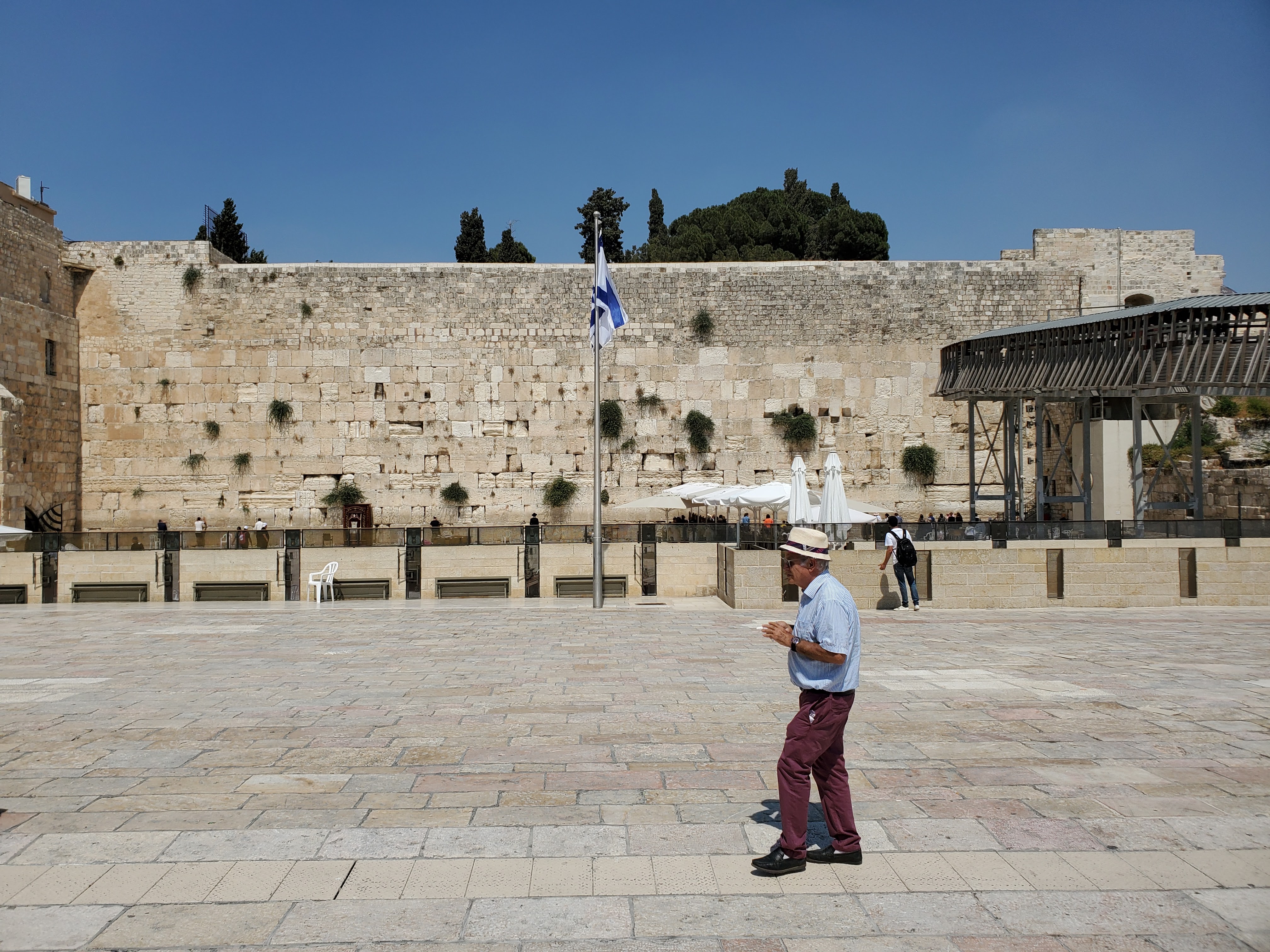
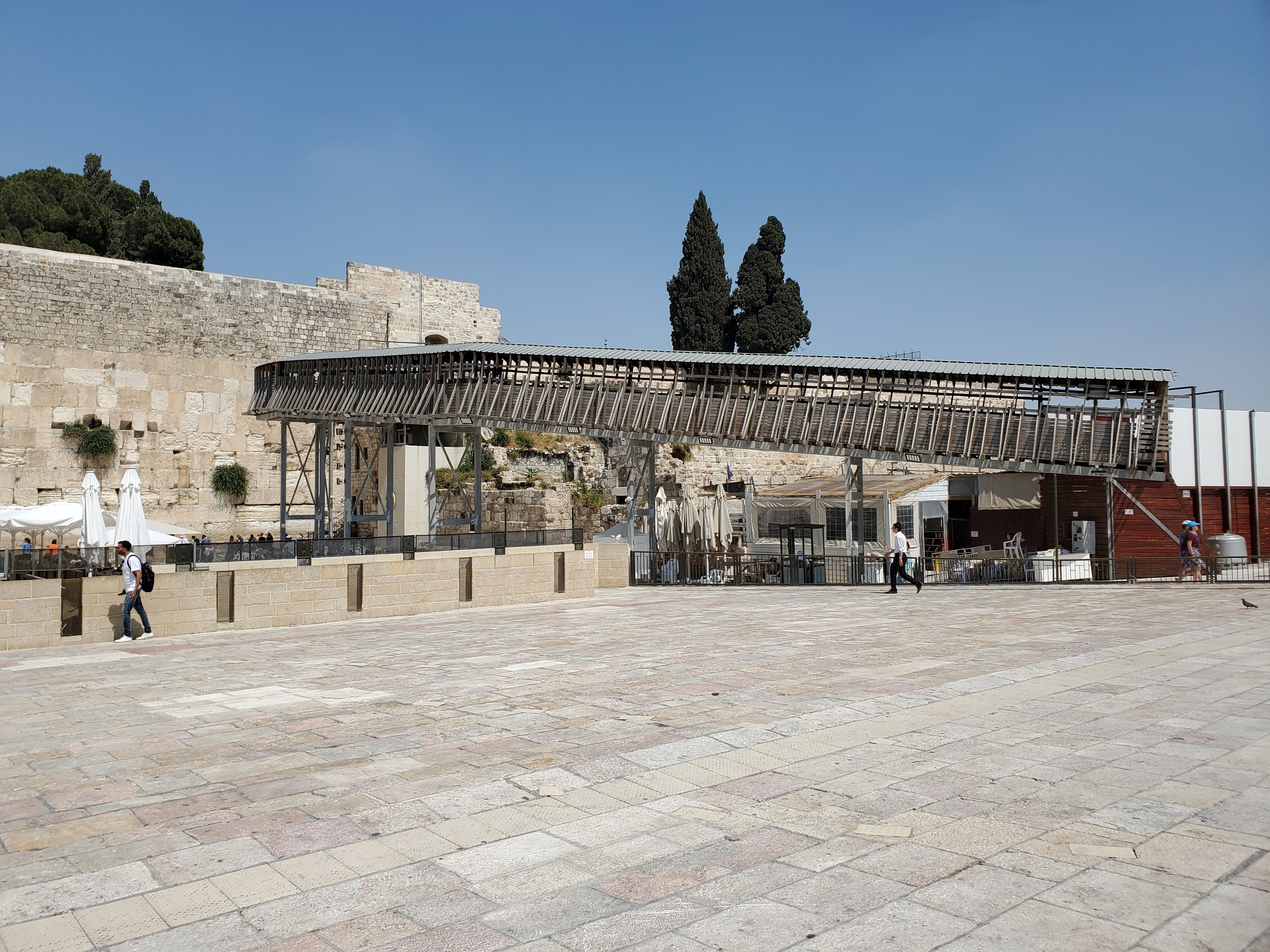
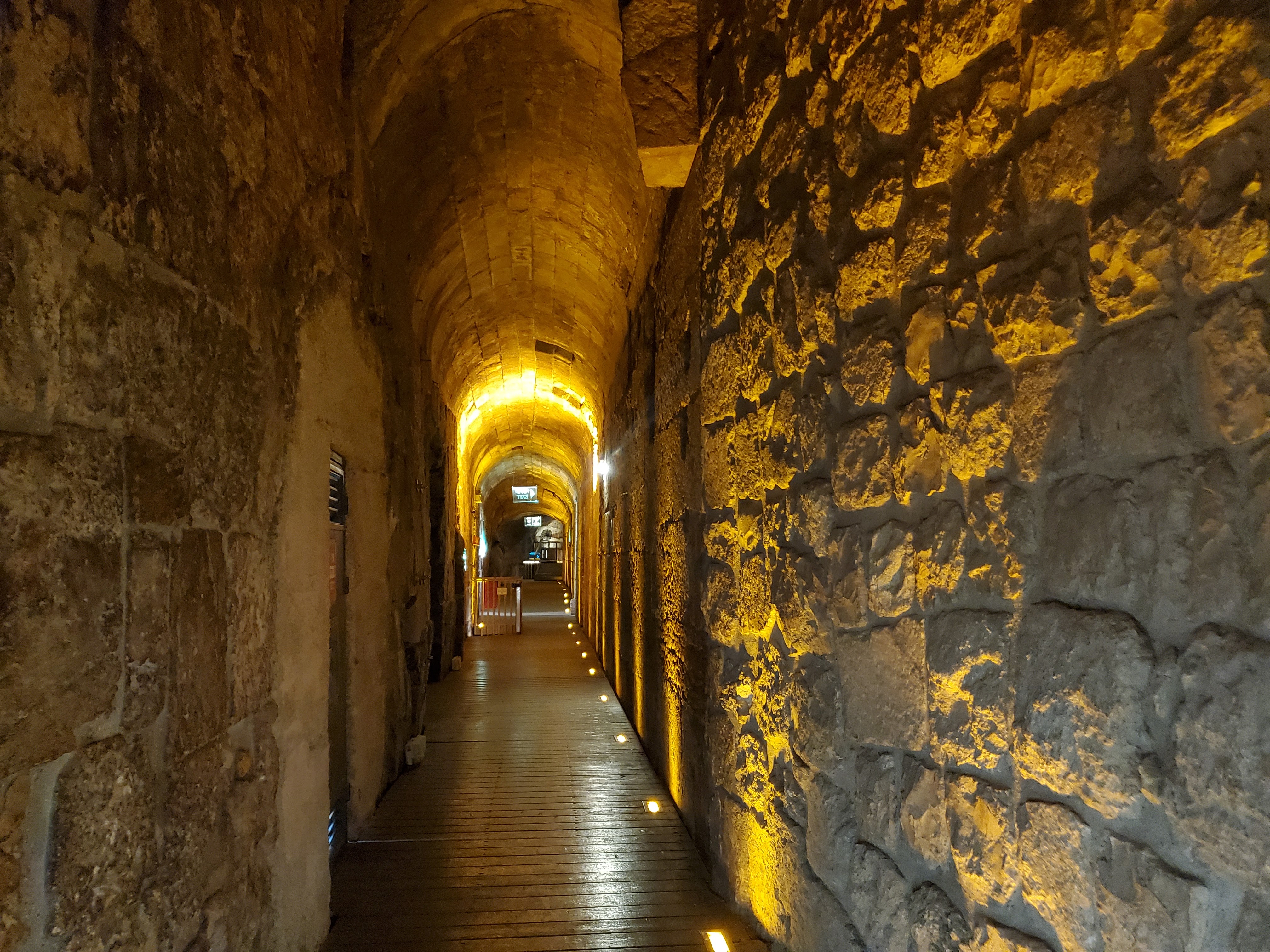
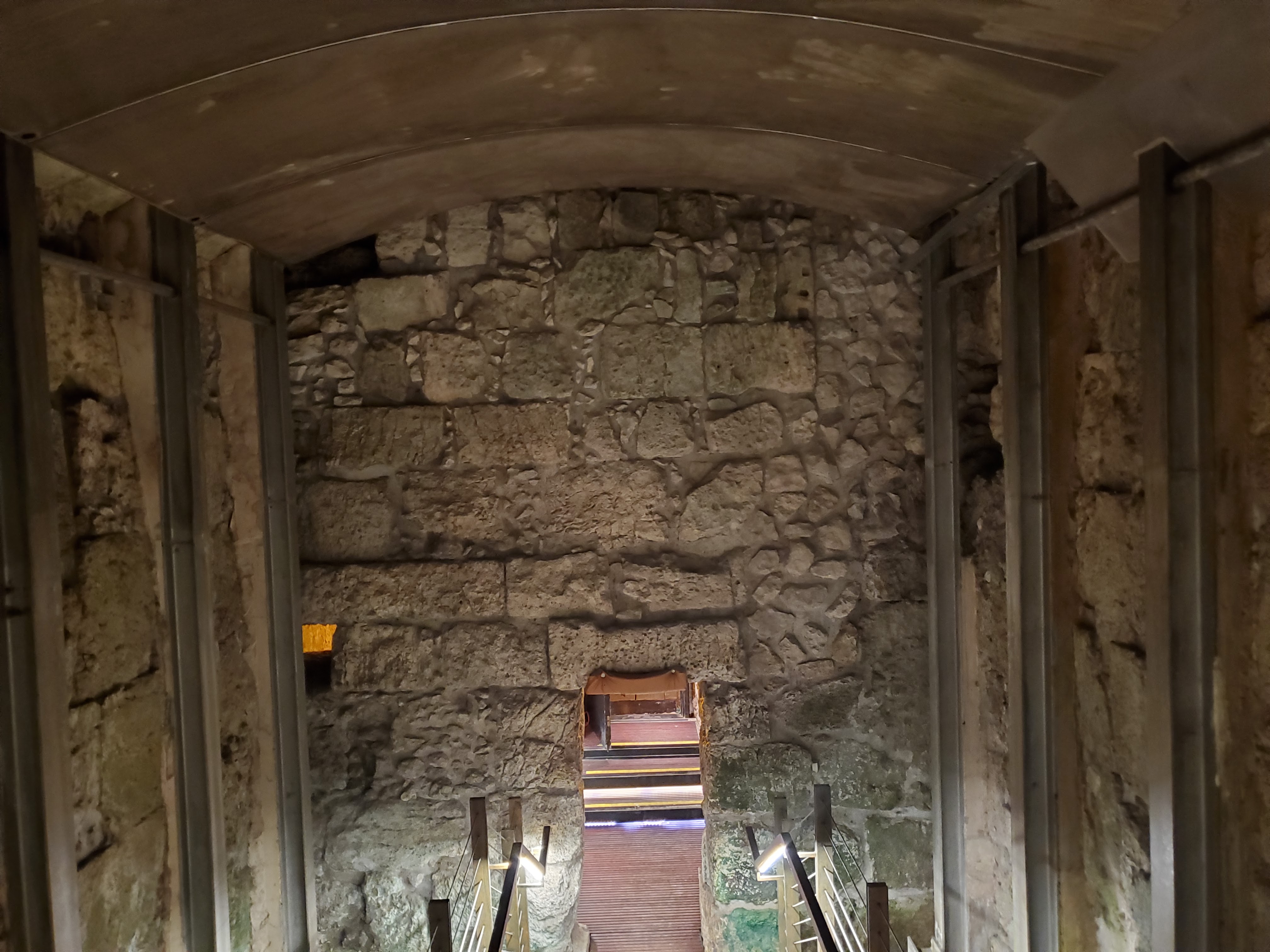
The Kotel plaza contains a significant amount of the visible retaining wall. The Kotel, however, continues to the northwest. Looking at the tunnels that run beneath and along the Kotel is now possible due to more recent excavations. One is able to see supporting arches, water channels and get a better sense of the path that could have been taken to the Temple. Gazing through a portal, one can also see how deep this supporting structure extends down to the base of the bedrock.
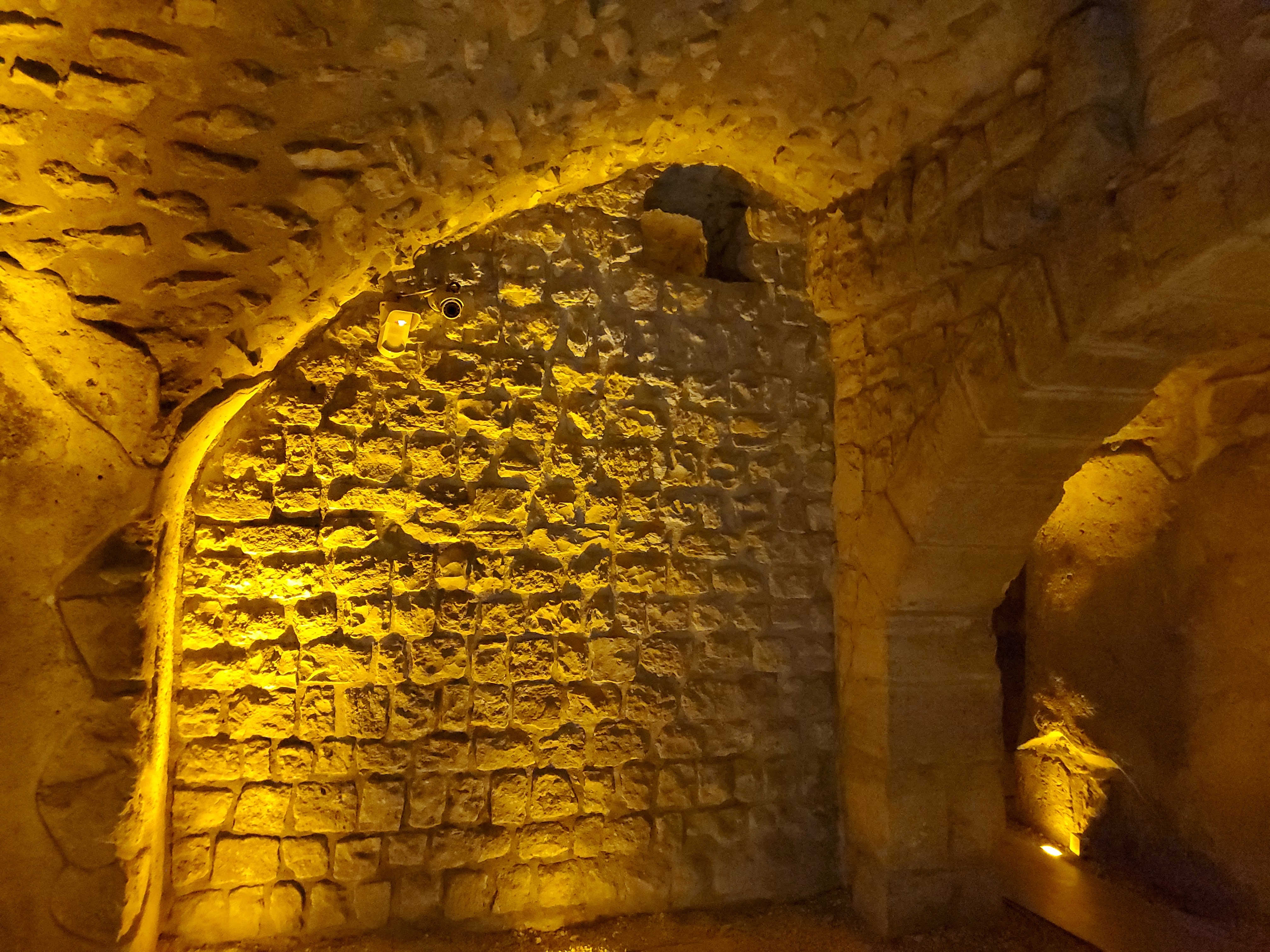
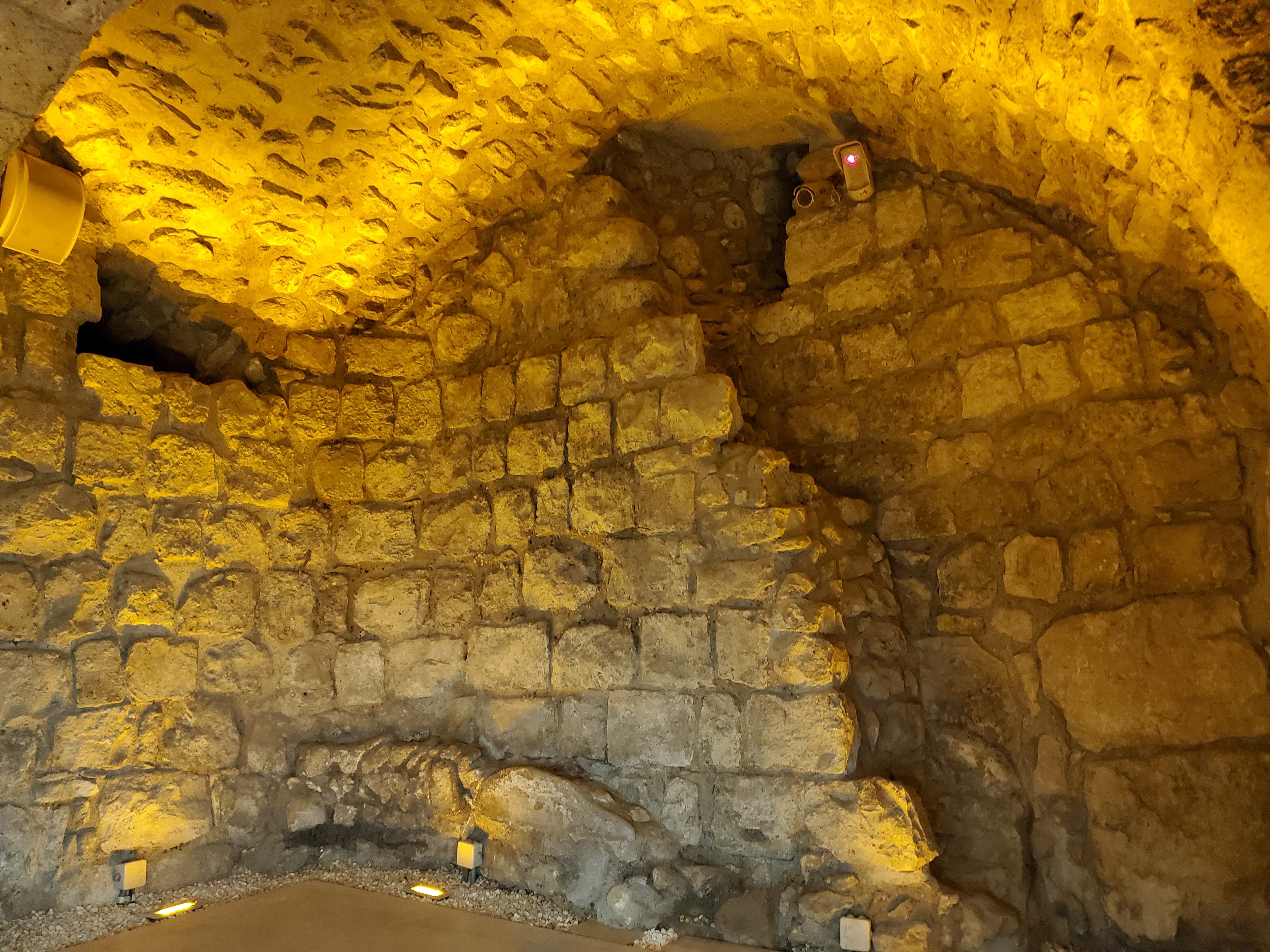
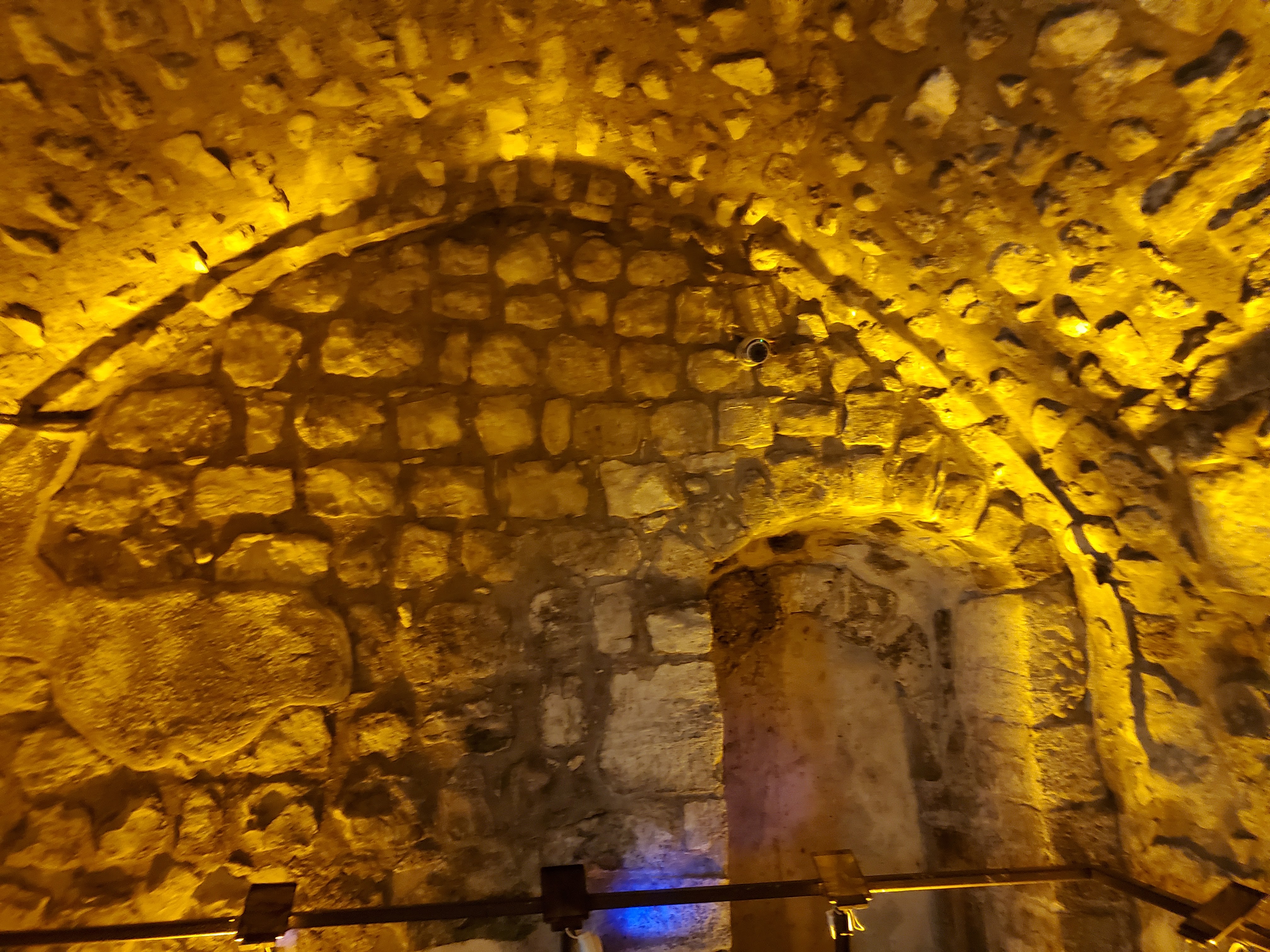
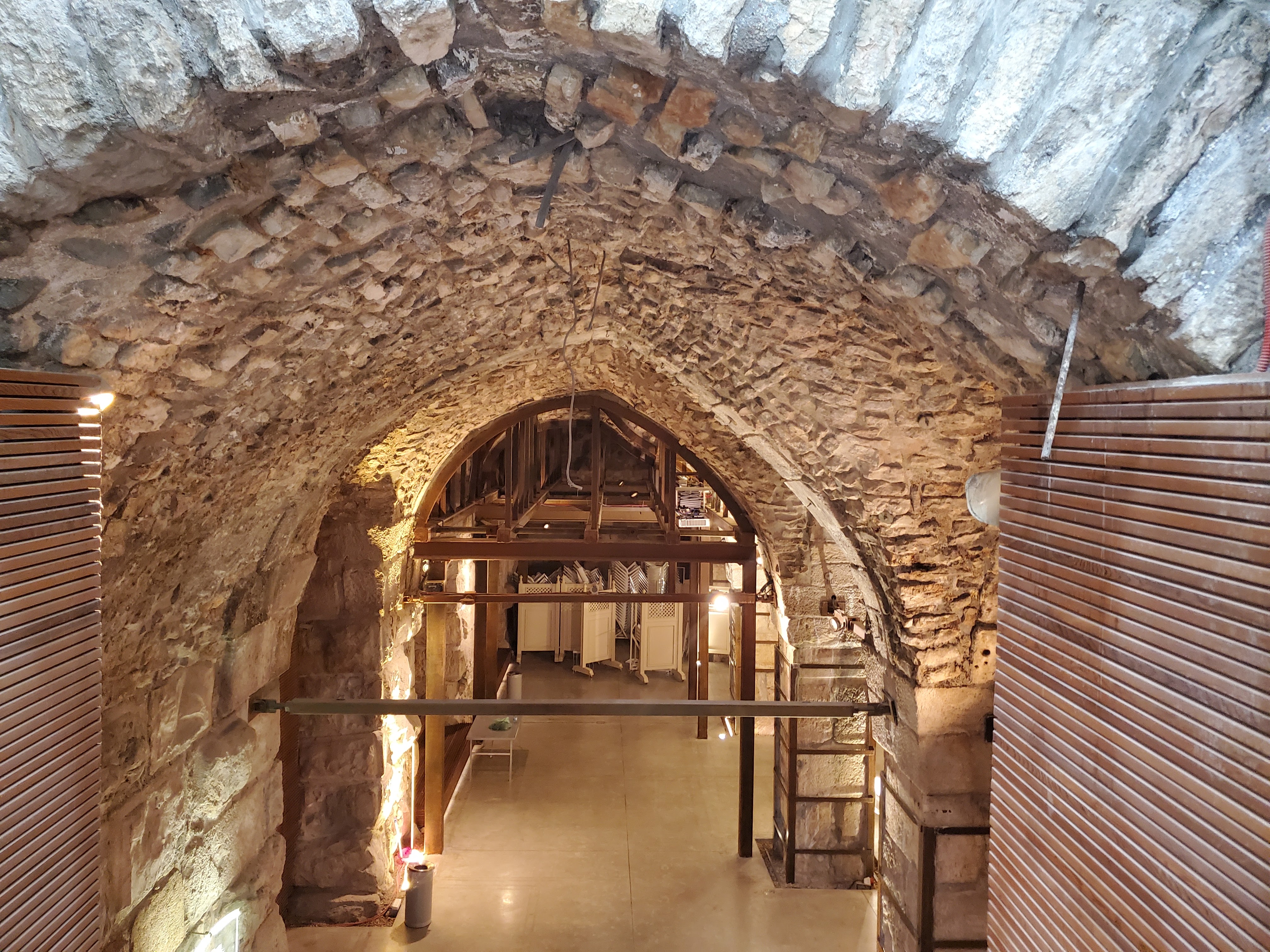
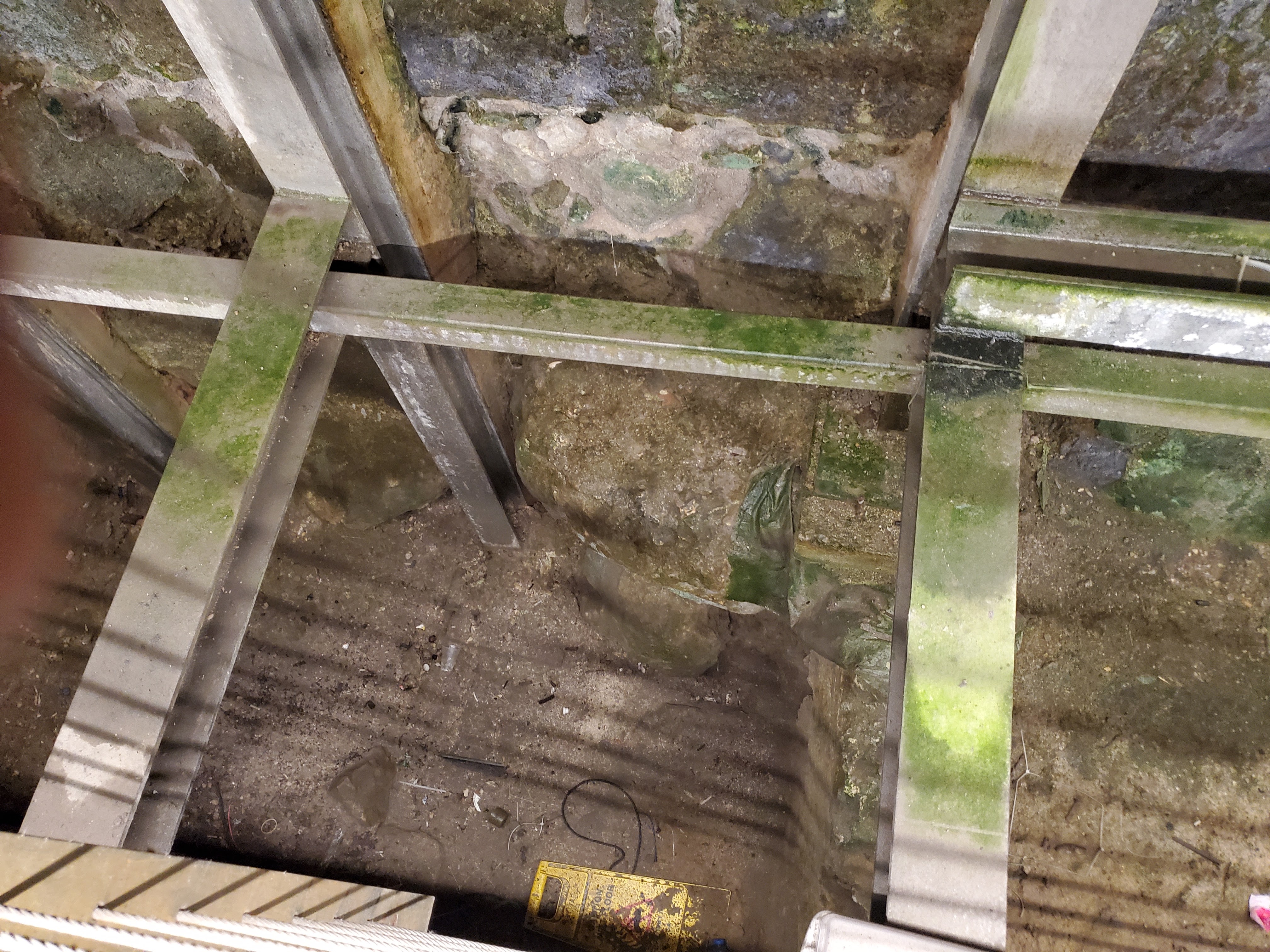
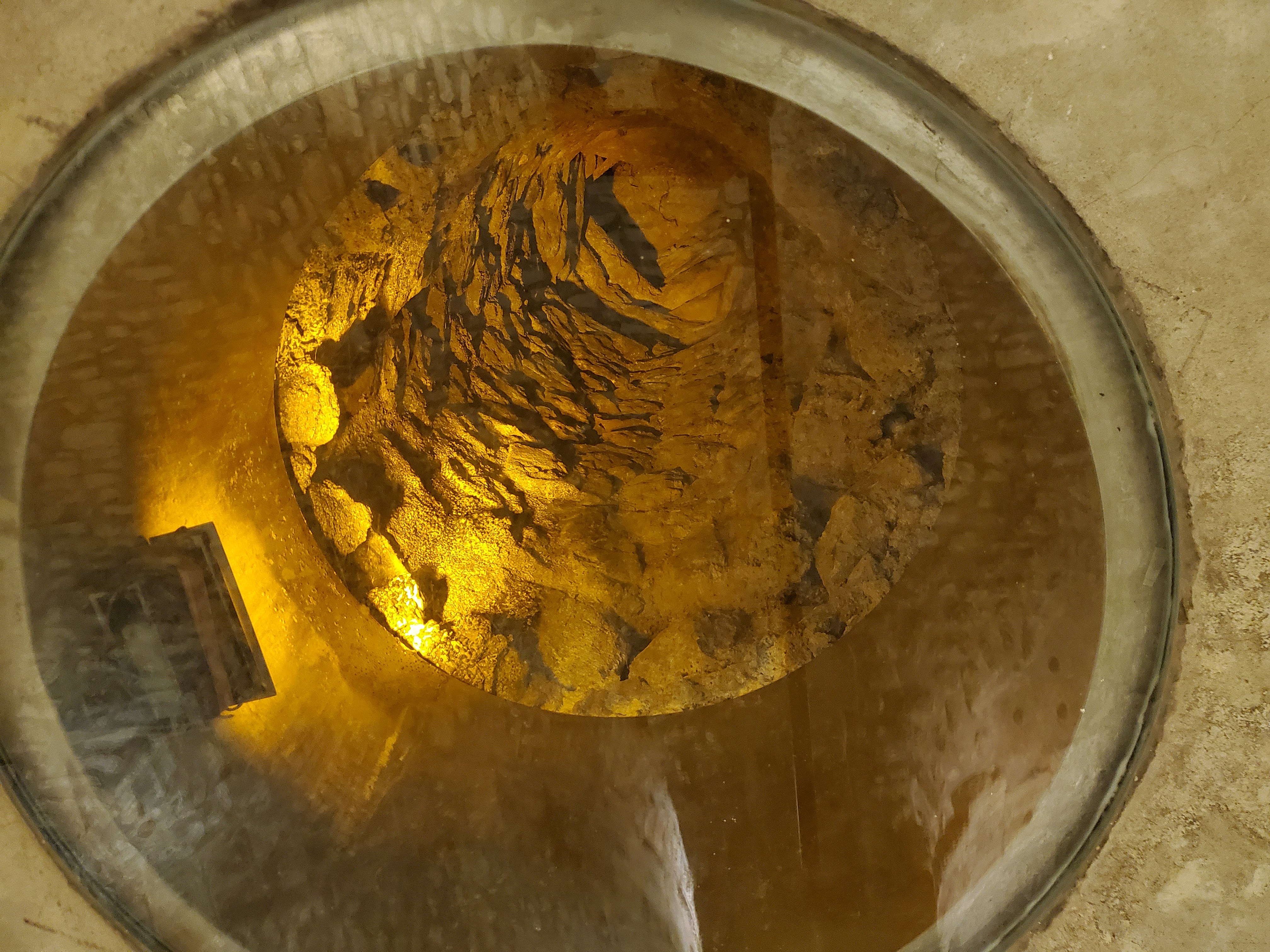
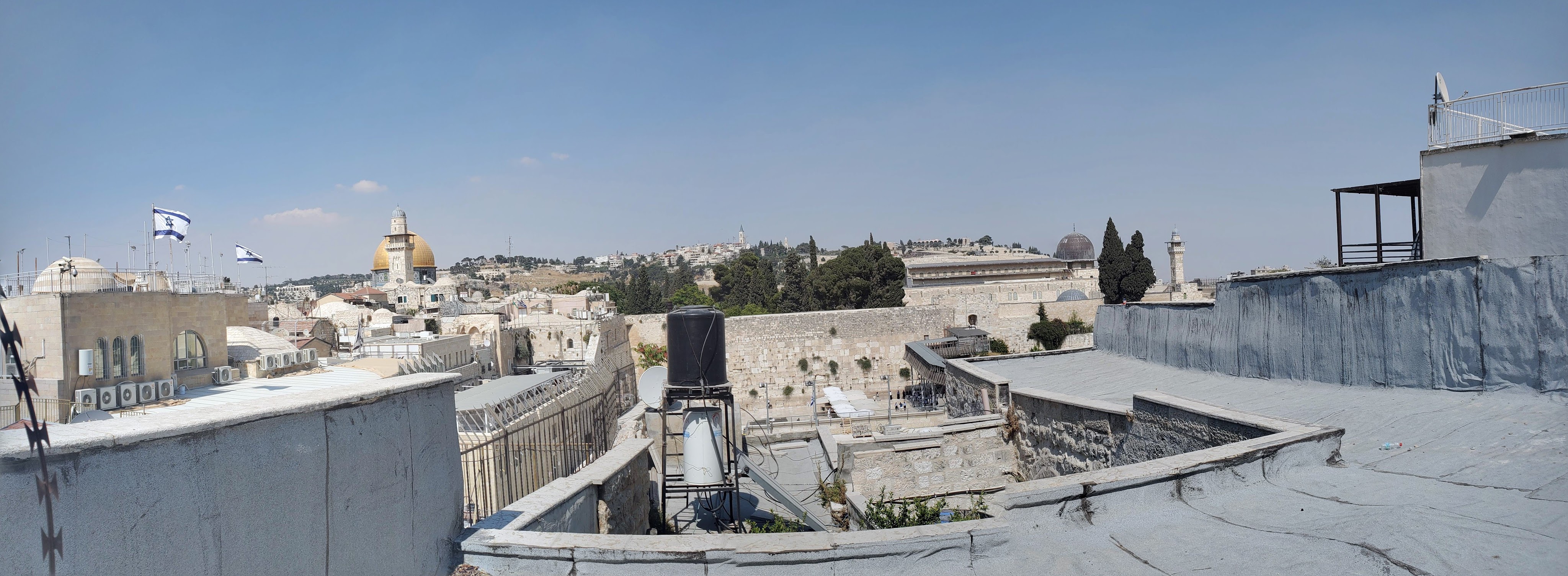
From beneath the Kotel, I ascended to the rooftops for some views of the Kotel and the Jewish Quarter.
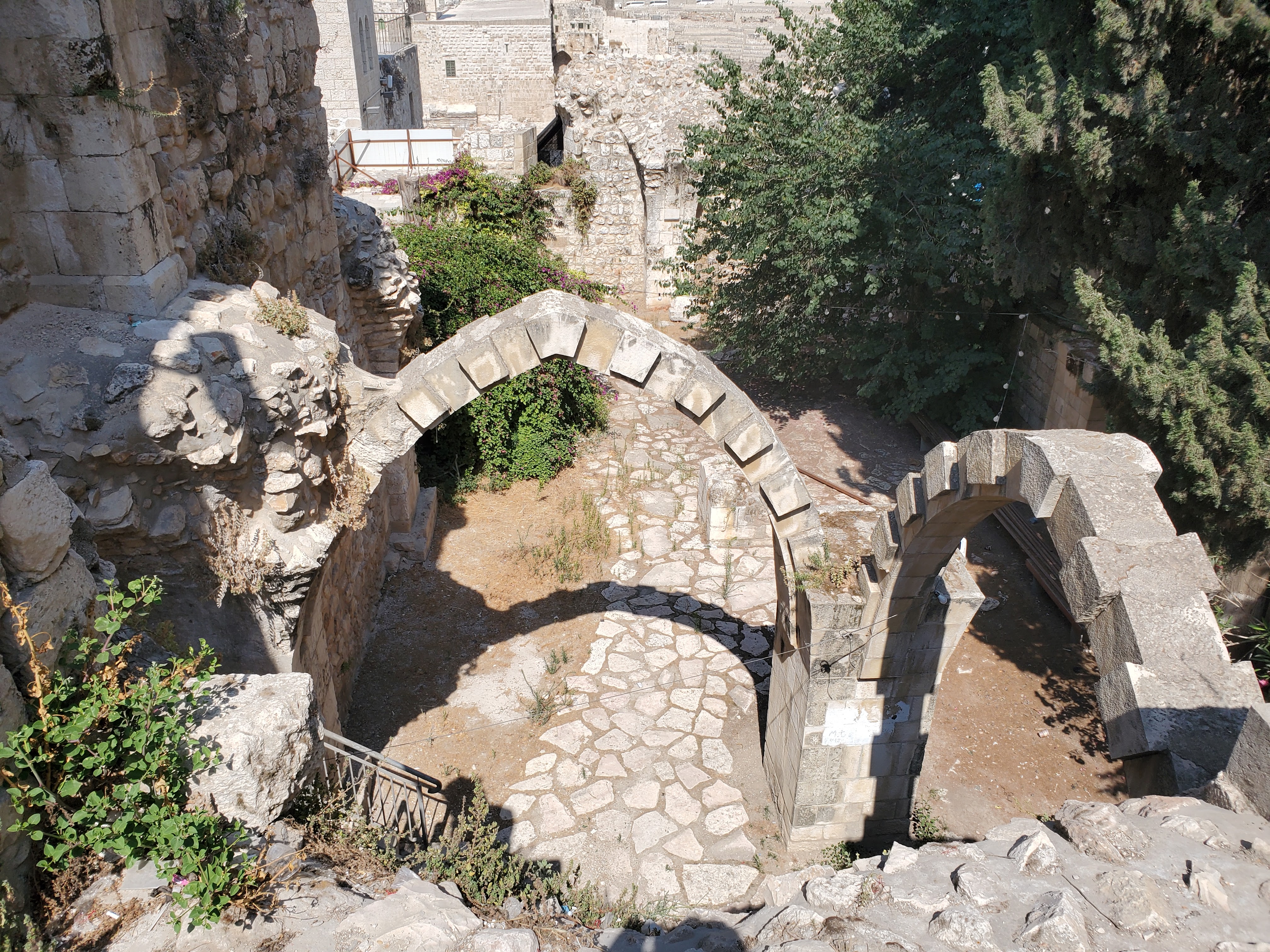
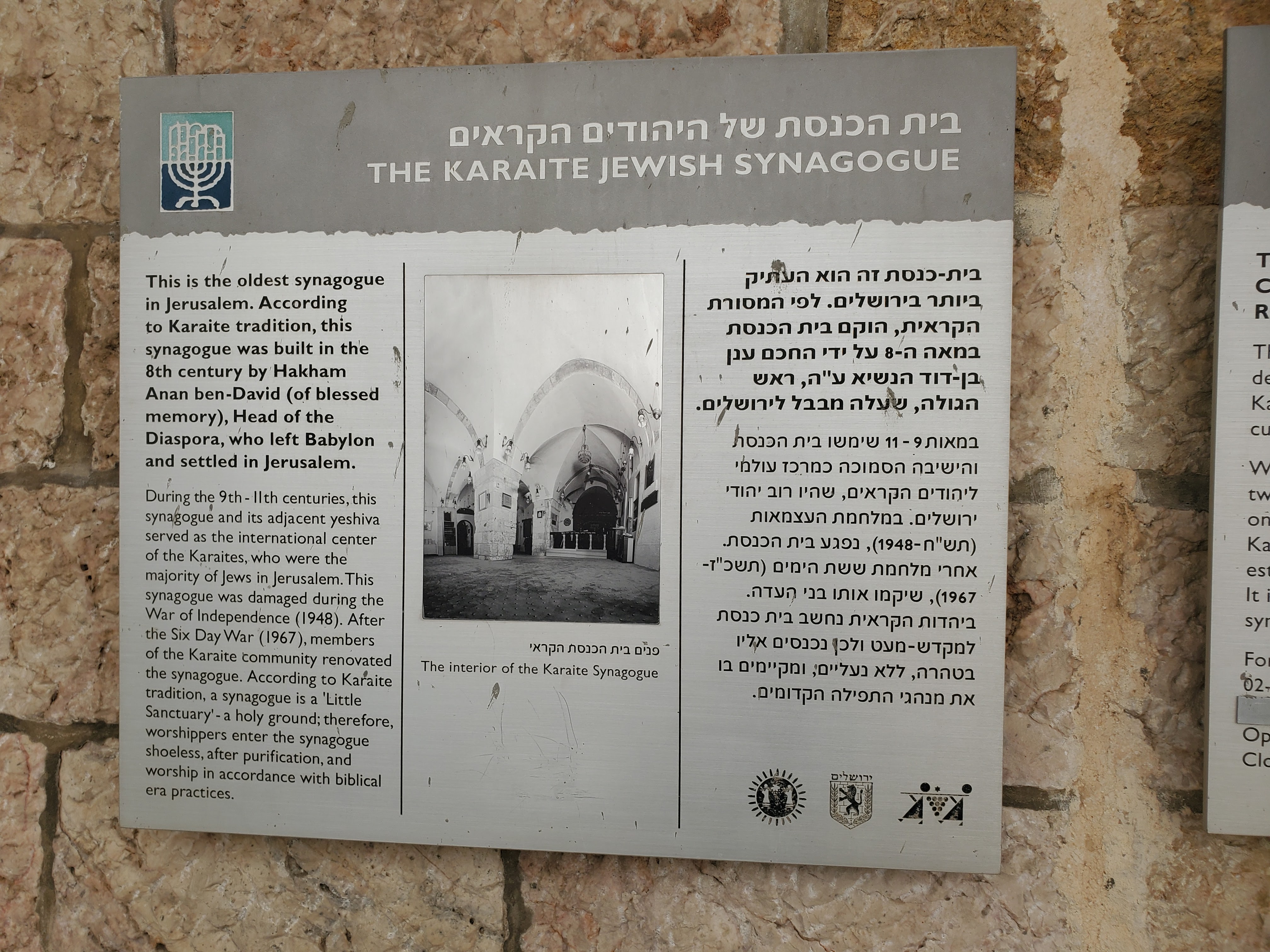
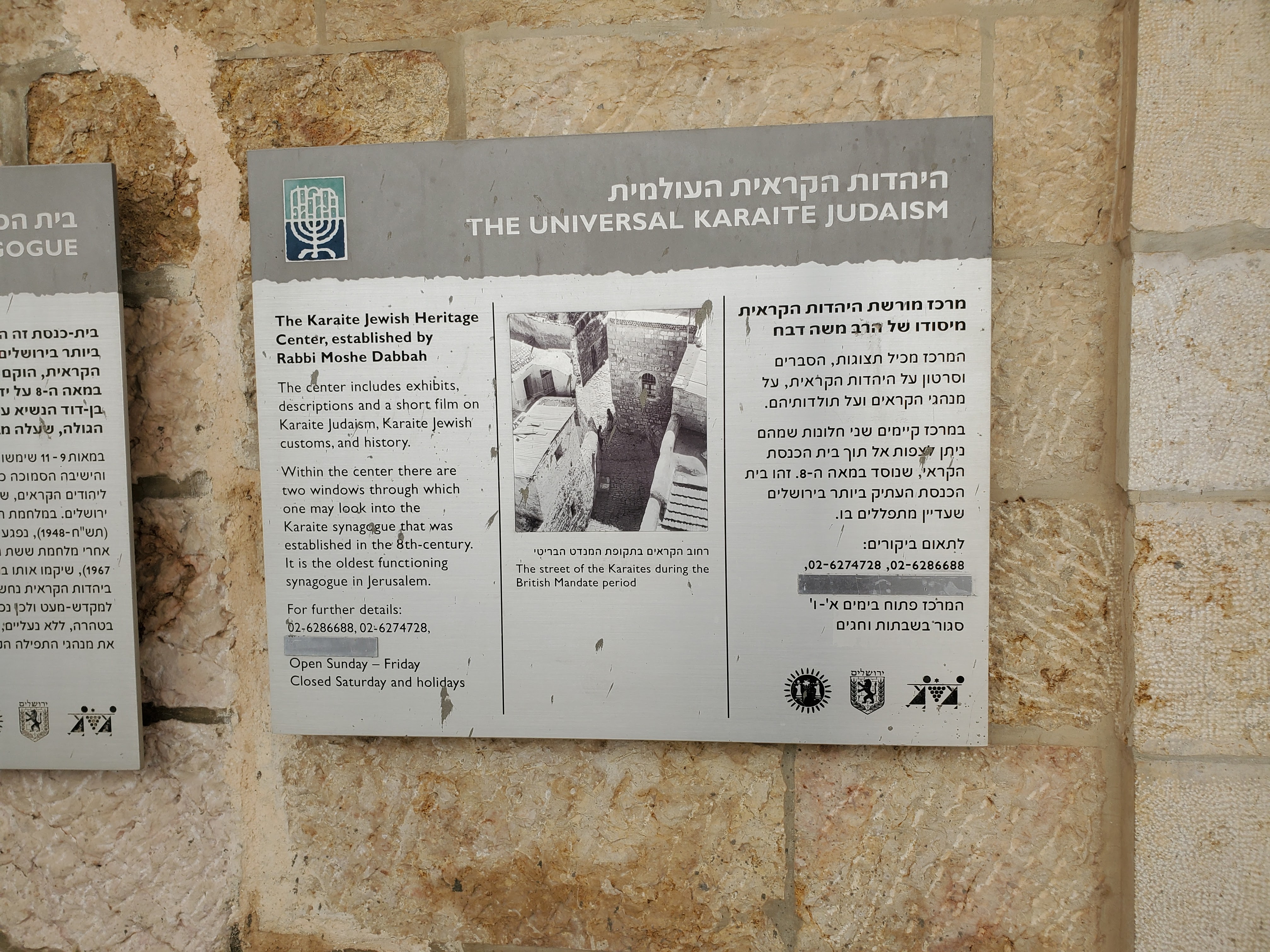
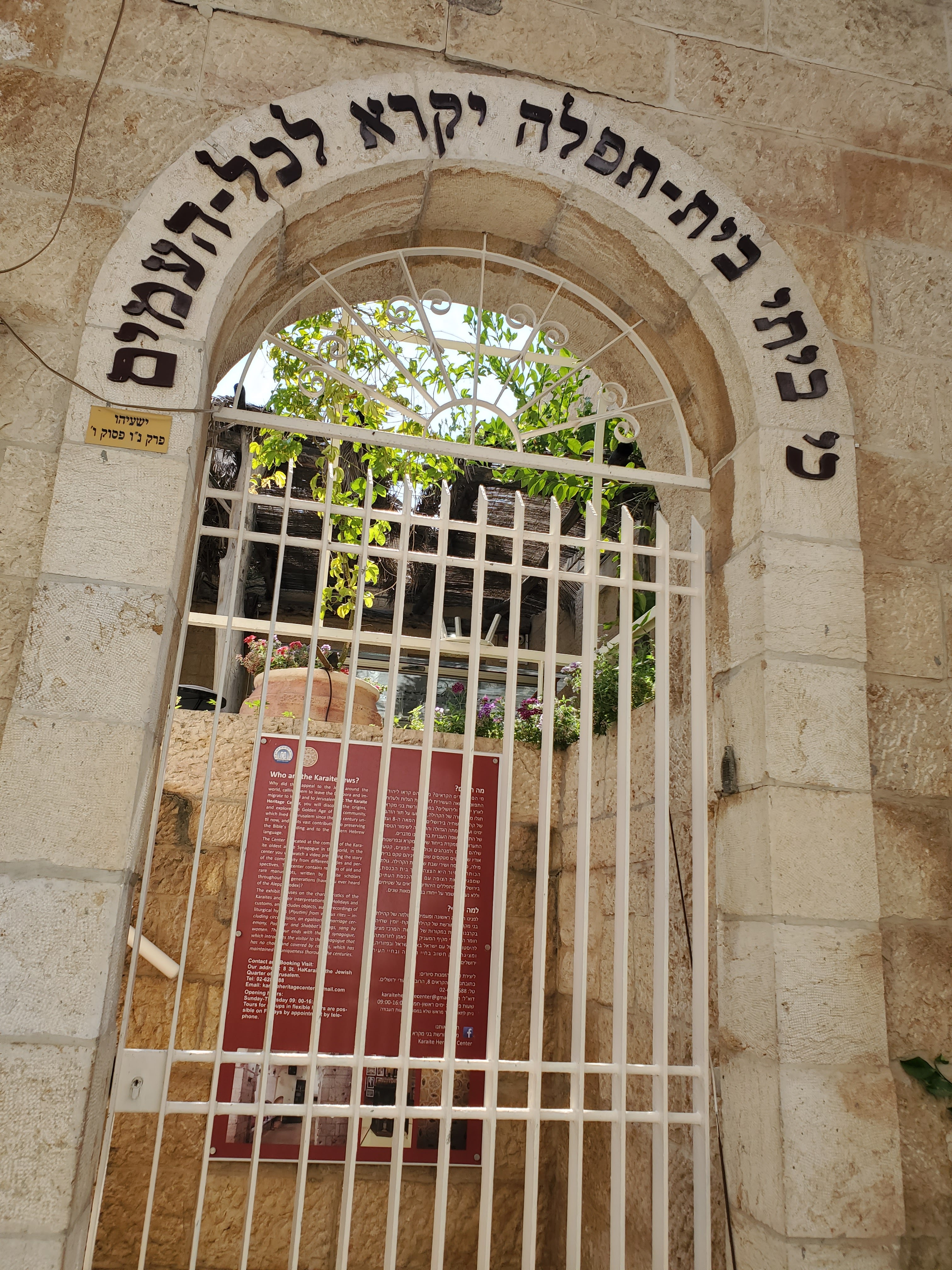
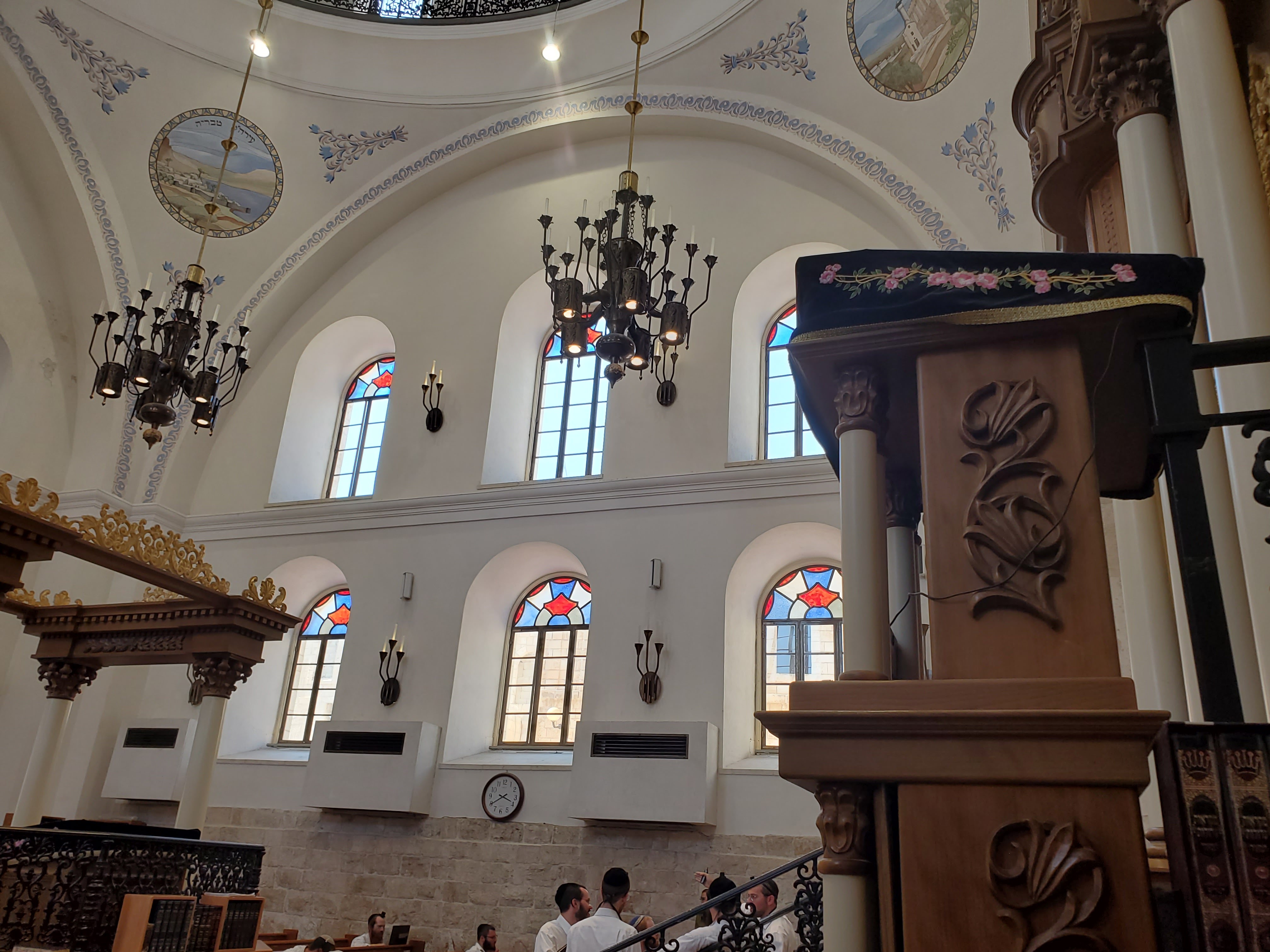
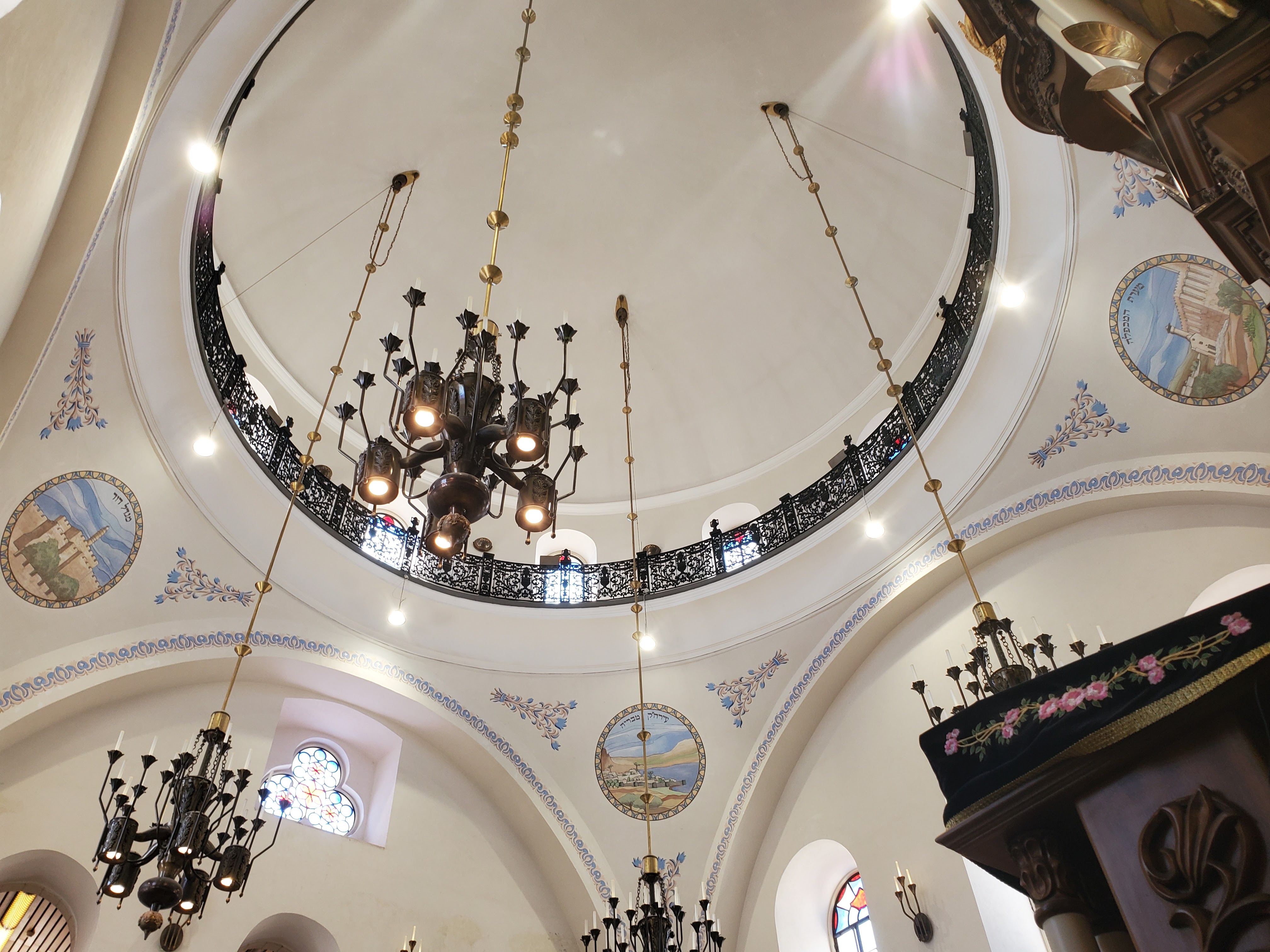
Descending again, I entered the Middle Ages and early modern times, as I walked through the Jewish Quarter. I passed by the Karaite Center and synagogue, which was closed. The Karaites broke away from Rabbinic Judaism in the late 8th, early 9th centuries and allegedly built the Karaite synagogue in Jerusalem then. Architecturally, it appears the synagogue dates to Crusader times. The distinctive feature of the synagogue is that it is below ground level.
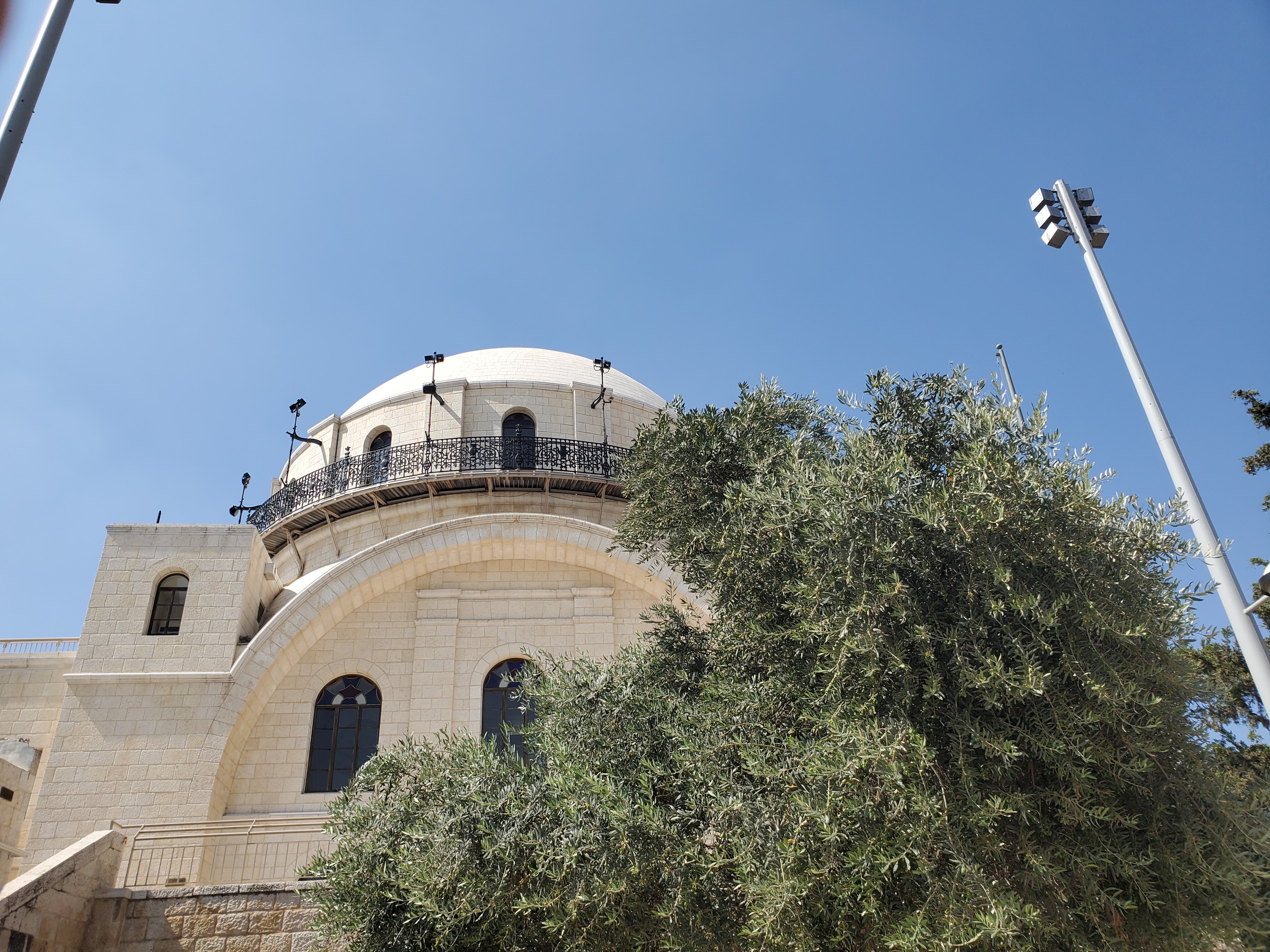
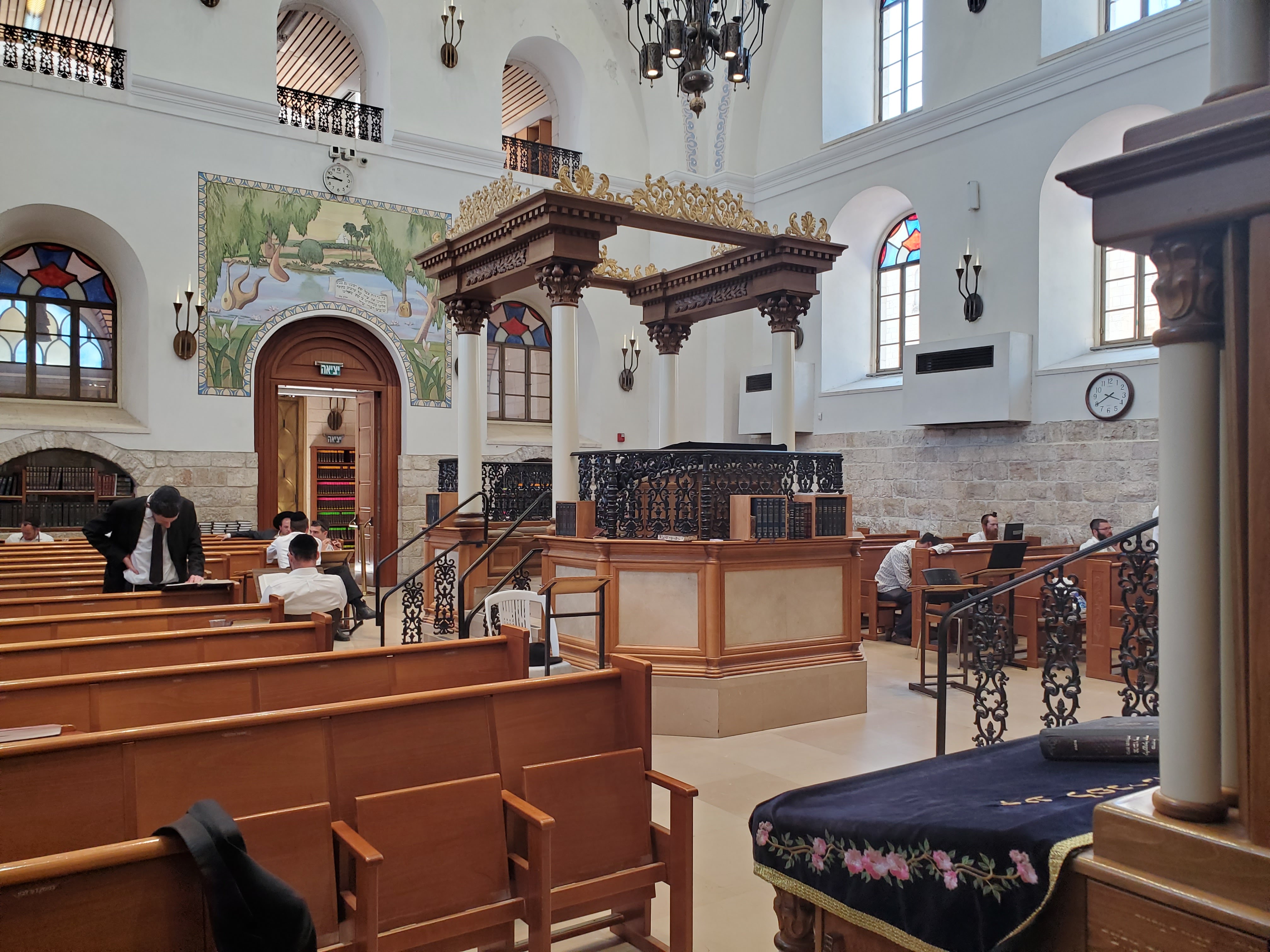
Around the corner from the Karaite center and synagogue, is the Hurva or Destroyed synagogue. It was first built in the early 18th century, then destroyed in 1721 by the Muslim authorities. The Hurva was rebuilt in 1864 and served as the primary Ashkenazi synagogue until in was destroyed in 1948 by the Arab Legion. It remained as a ruin marked only by a distinctive arch until it was rebuilt in 2010.
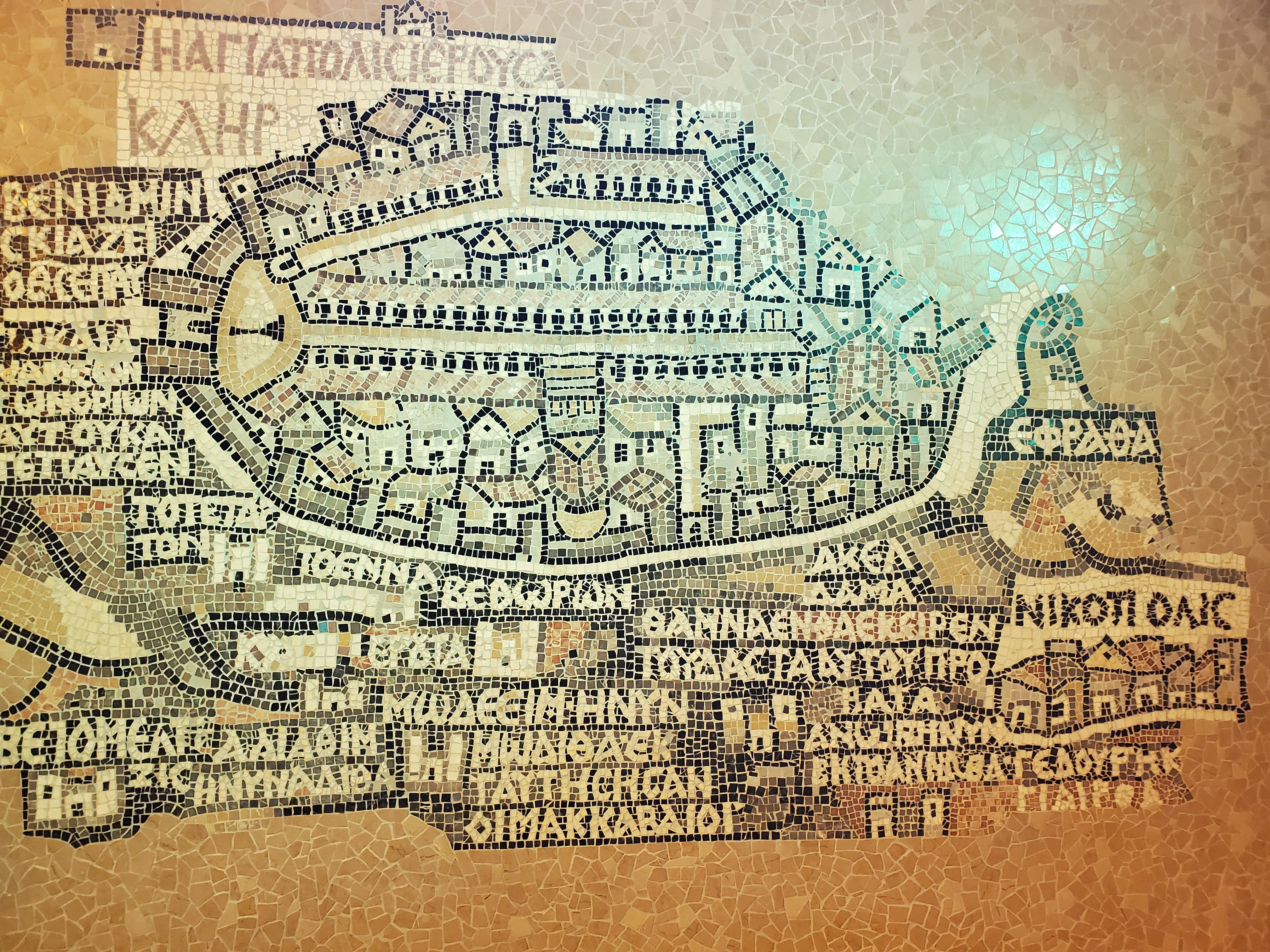
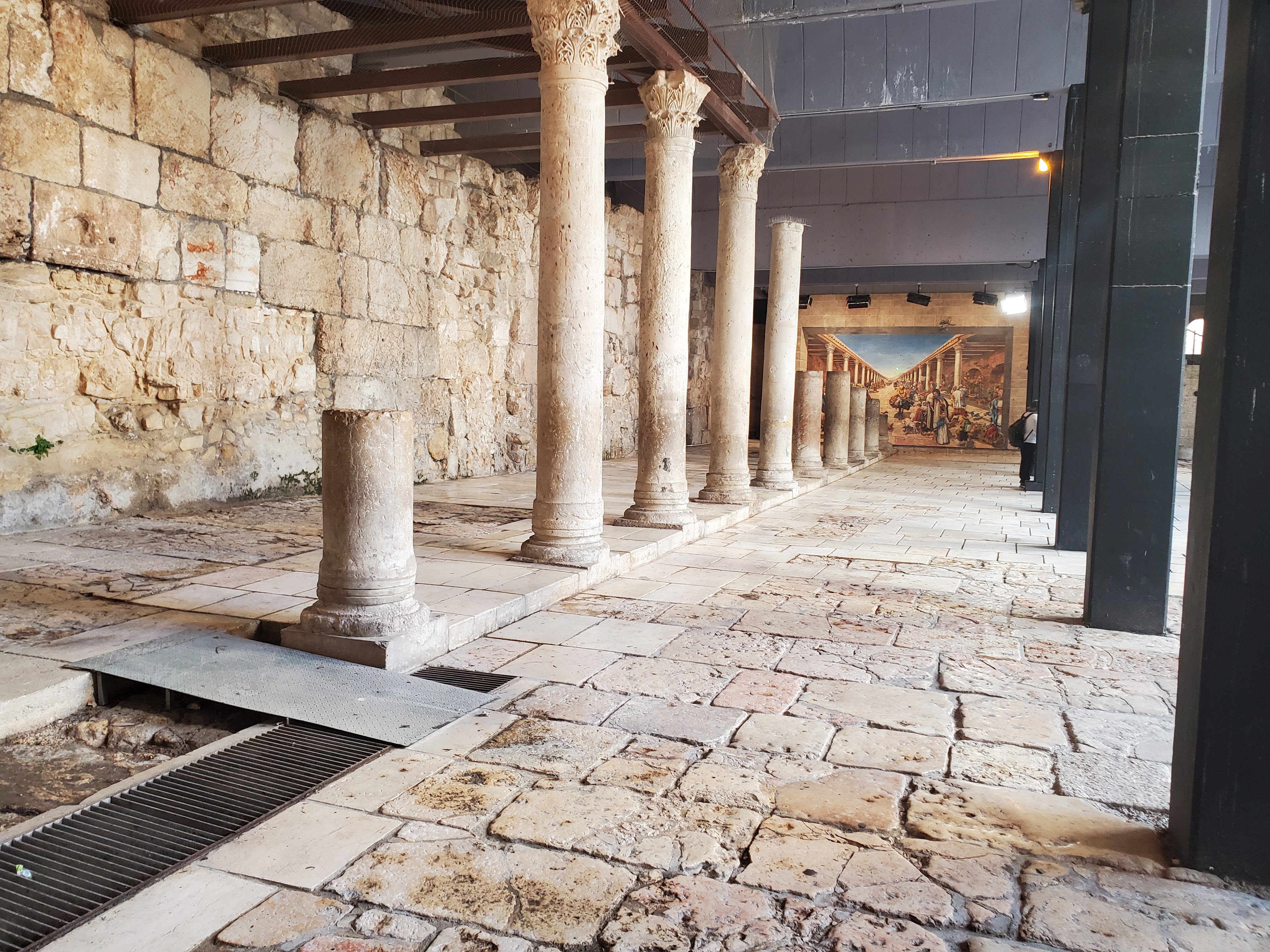
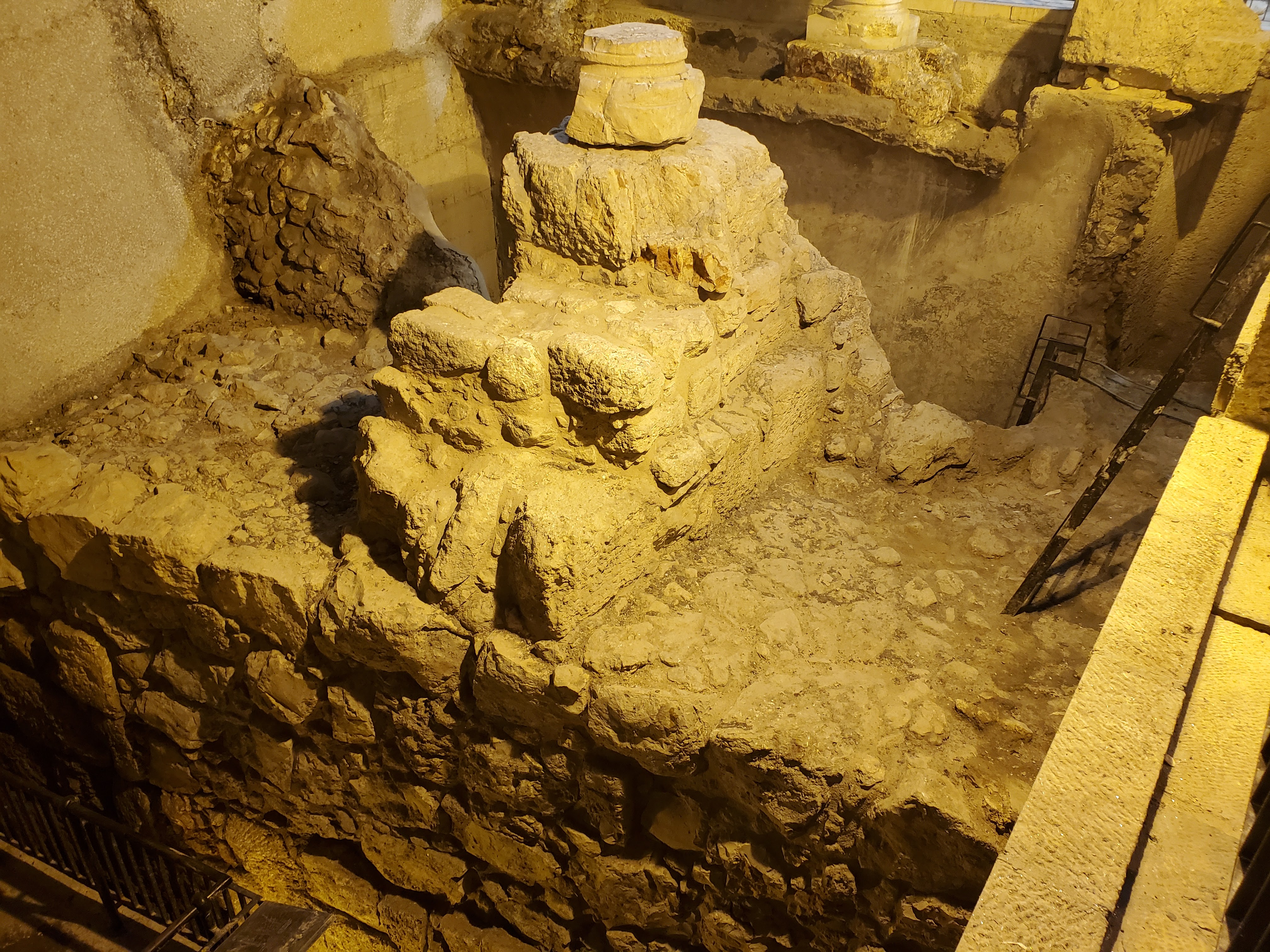
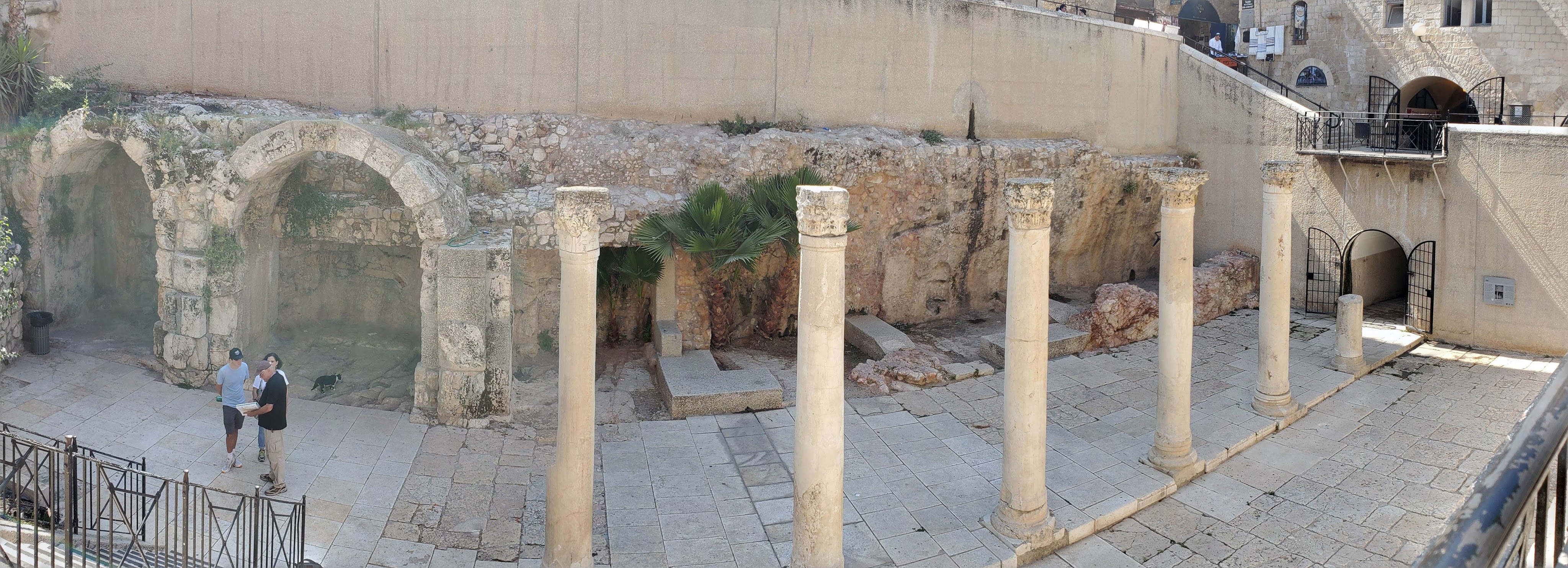
From early modern times, I went back to Roman times to walk along the Cardo, the ancient street from Roman times, built on top of the Hasmonean layer, built upon layer after layer that preceded it. The copy of the Madaba map shows the layout of Jerusalem during the Roman period. The Cardo served as the Roman street, wide enough for carts with shops and stalls at street level, and columns to create a covered walkways for pedestrians. The Cardo was then extended farther across the city under Byzantine times.
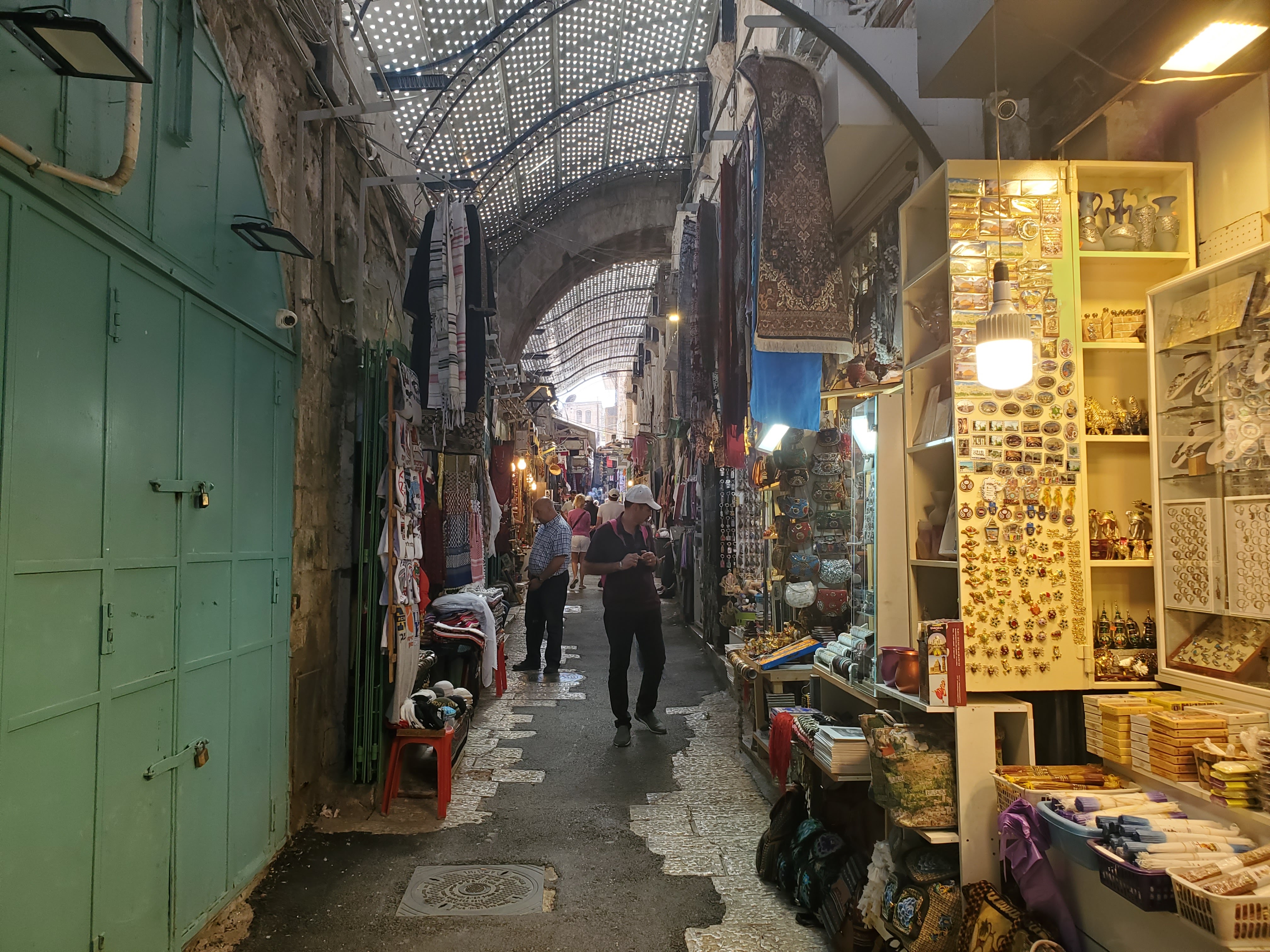
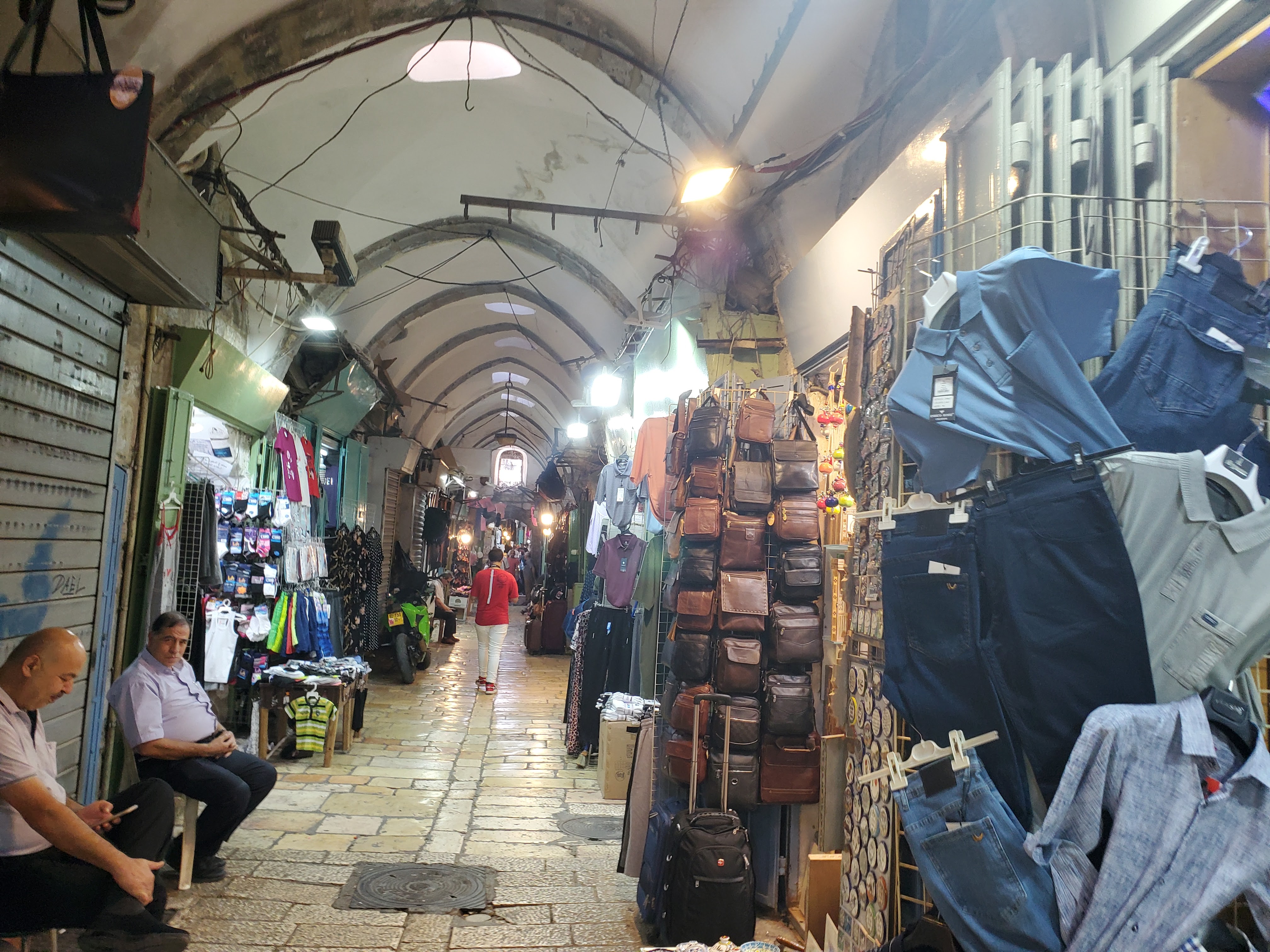
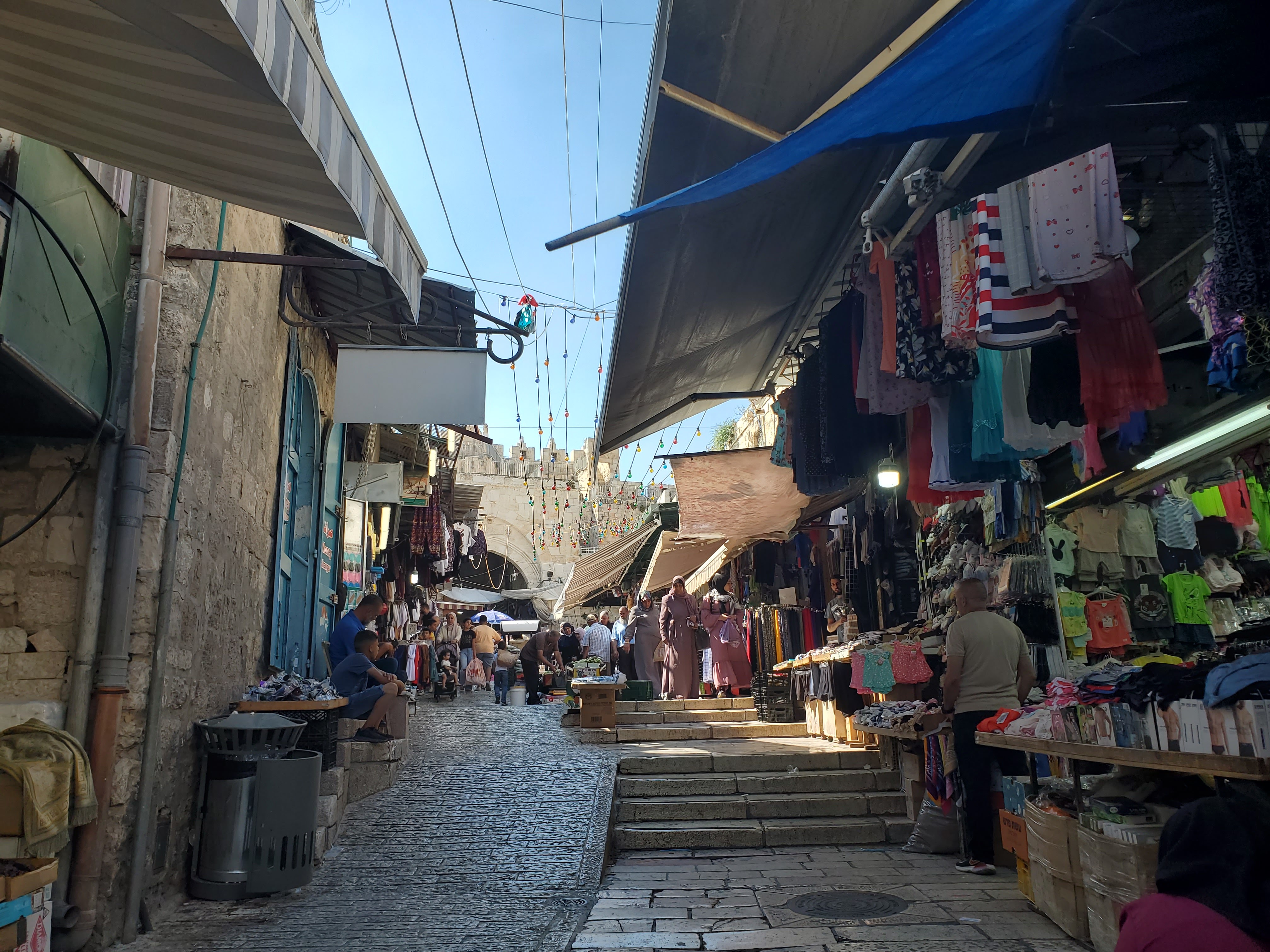
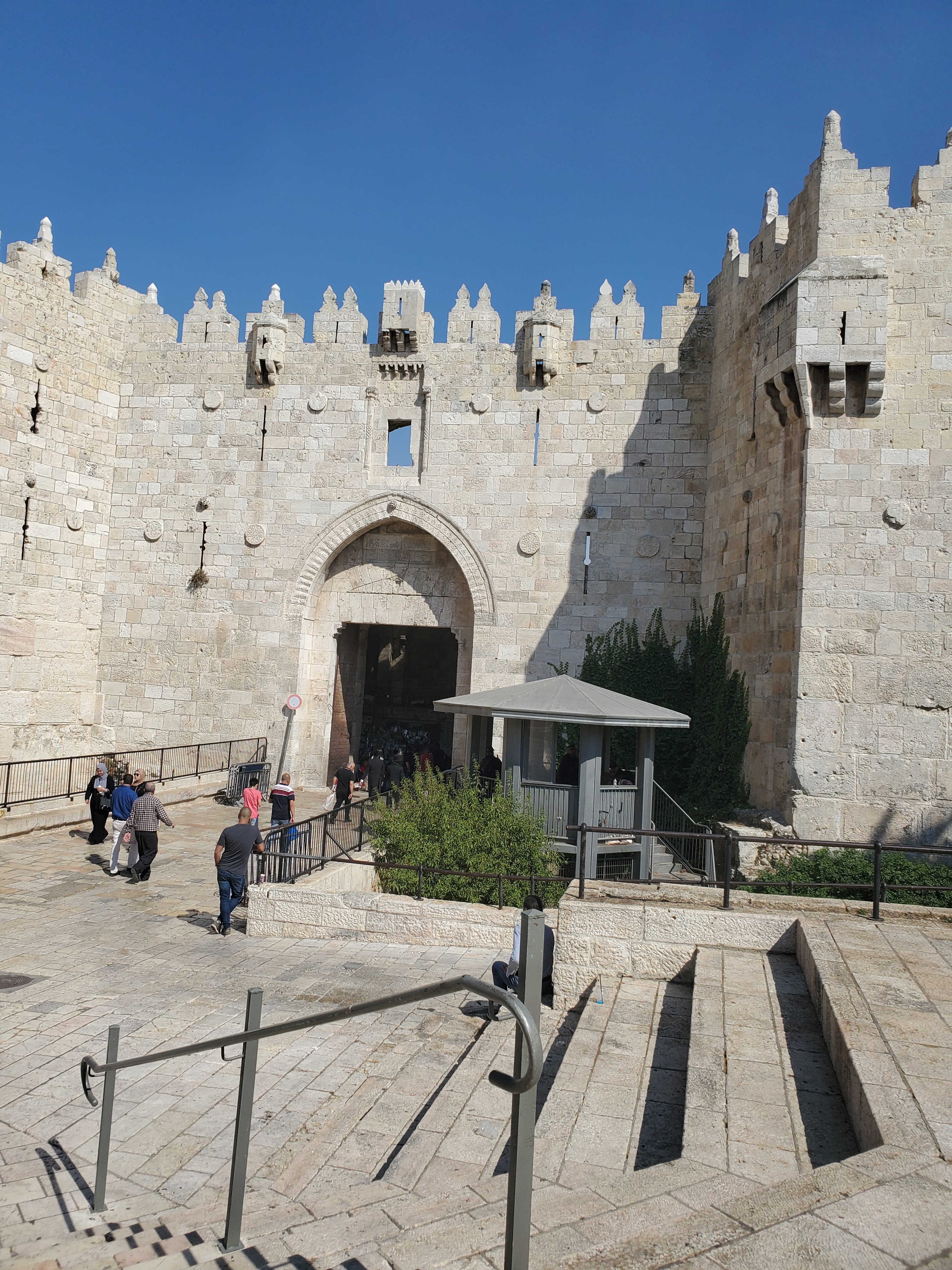
After stepping back into history, I re-entered modern times by exiting the Old City through the shuk, with stalls selling food, souvenirs, and all sorts of everyday goods. Walking through the crowds I made my way through Damascus Gate and then off to my next stop.

 My Journey to Israel: Connections and Disruptions