If this trip has taught me anything, it has taught me to be flexible with my plans. Over the last couple of years, I have been reading about the newest trail in Israel, the Sanhedrin Trail. The trail traces the movements of the Sanhedrin, the reigning academic/judicial body in the generations following the destruction of the Second Temple, across the Galilee. In the course of five days of hiking, one hikes from Beit She’arim, just a little outside Haifa, to Tiberias. The trail is supposed to be interactive, matched with an app that enables to hiker to enter the virtual reality world of the first and second centuries of the common era. It was near the top of my list of things I wanted to do and see during this trip.
I had searched and searched for the app, googled Sanhedrin Trail and visited every site I found and discovered no link leading to an app. So, I thought, maybe there is something to connect to at the various sites with a link through a QR code or something similar. Meanwhile, while this was near the top of my list, not so much for my children’s lists. My daughter said no more hiking and that she didn’t want to wake up early, meaning before 11. My son was still working in the stables at Nahalal and had to be back by 3. While that was doable, he also wasn’t keen on getting out of bed before the sun was almost directly overhead.
It looked like I’d be on my own again. I walked to the train station, took the train to Haifa and a bus to Kiryat Tivon. From there, it was about two-thirds of a mile walk to Beit Shearim, where the trail was supposed to begin.
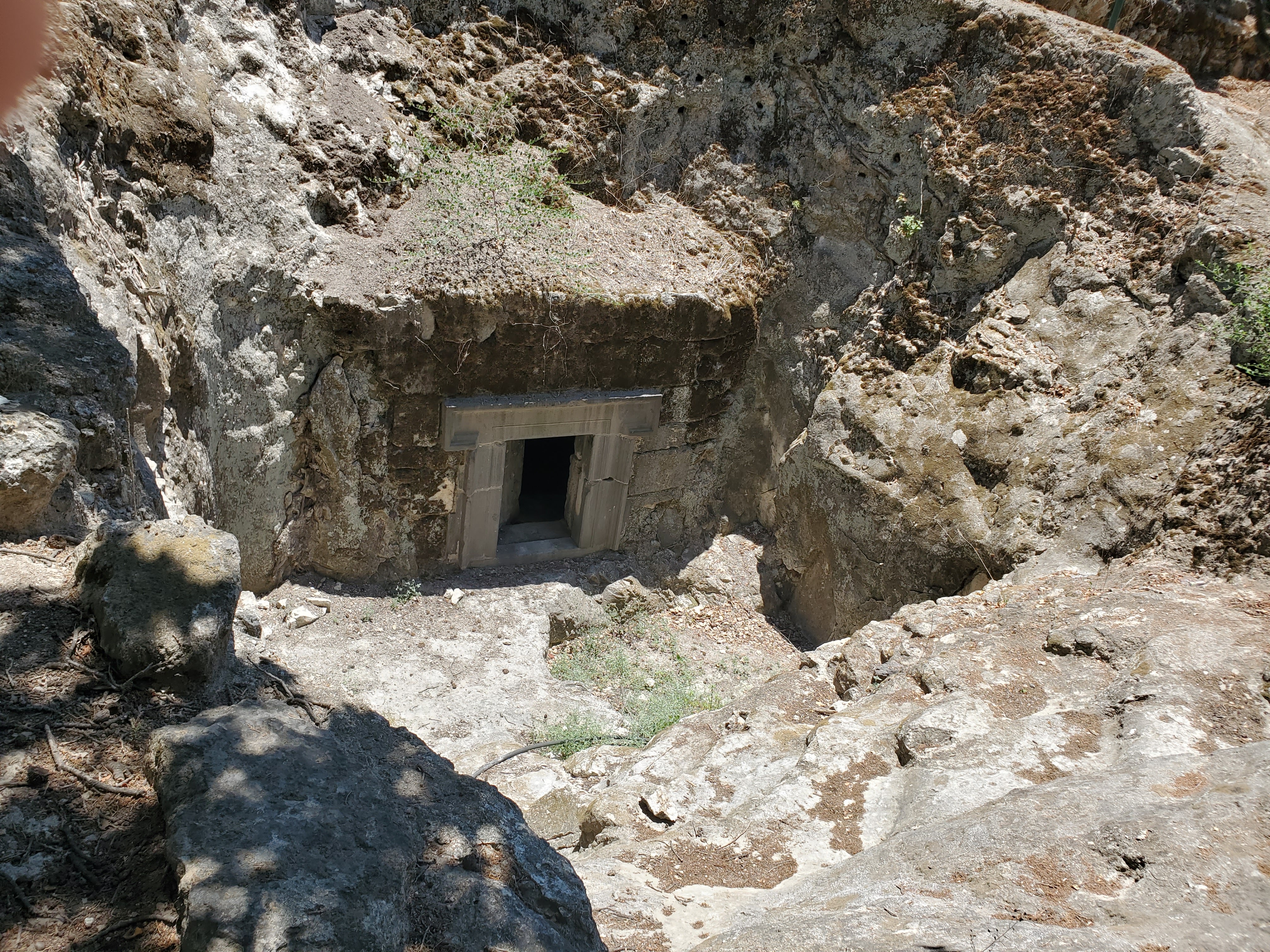
I arrived in Beit Shearim, paid my admission fee, received my pamphlet guide to the park and no mention of the Sanhedrin Trail or of any interactive experiences. Following my pamphlet, I walked over to where the trek through the park should begin and saw nothing other than the cave and a small placard describing it.
A word about Beit Shearim. Beit Shearim was a village in the lower Galilee to which the Sanhedrin moved in the late first century. It became known as the preeminent burial location once access to the Mount of Olives was cut off and is the largest known necropolis from the time of the Mishnah and Talmud, the first several centuries of the common era. In addition to being a national park, it is one of nine UNESCO World Heritage Sites in Israel.
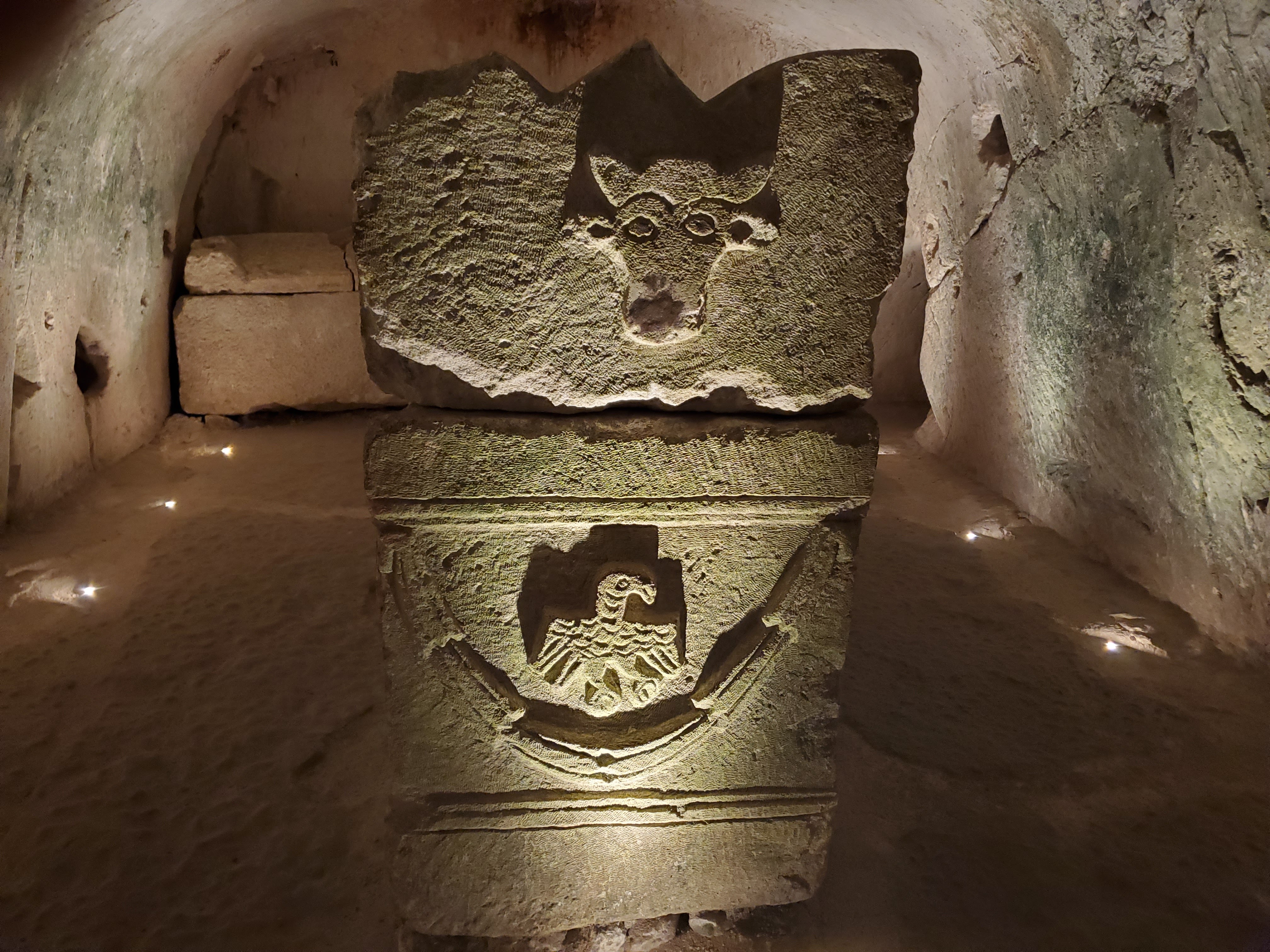
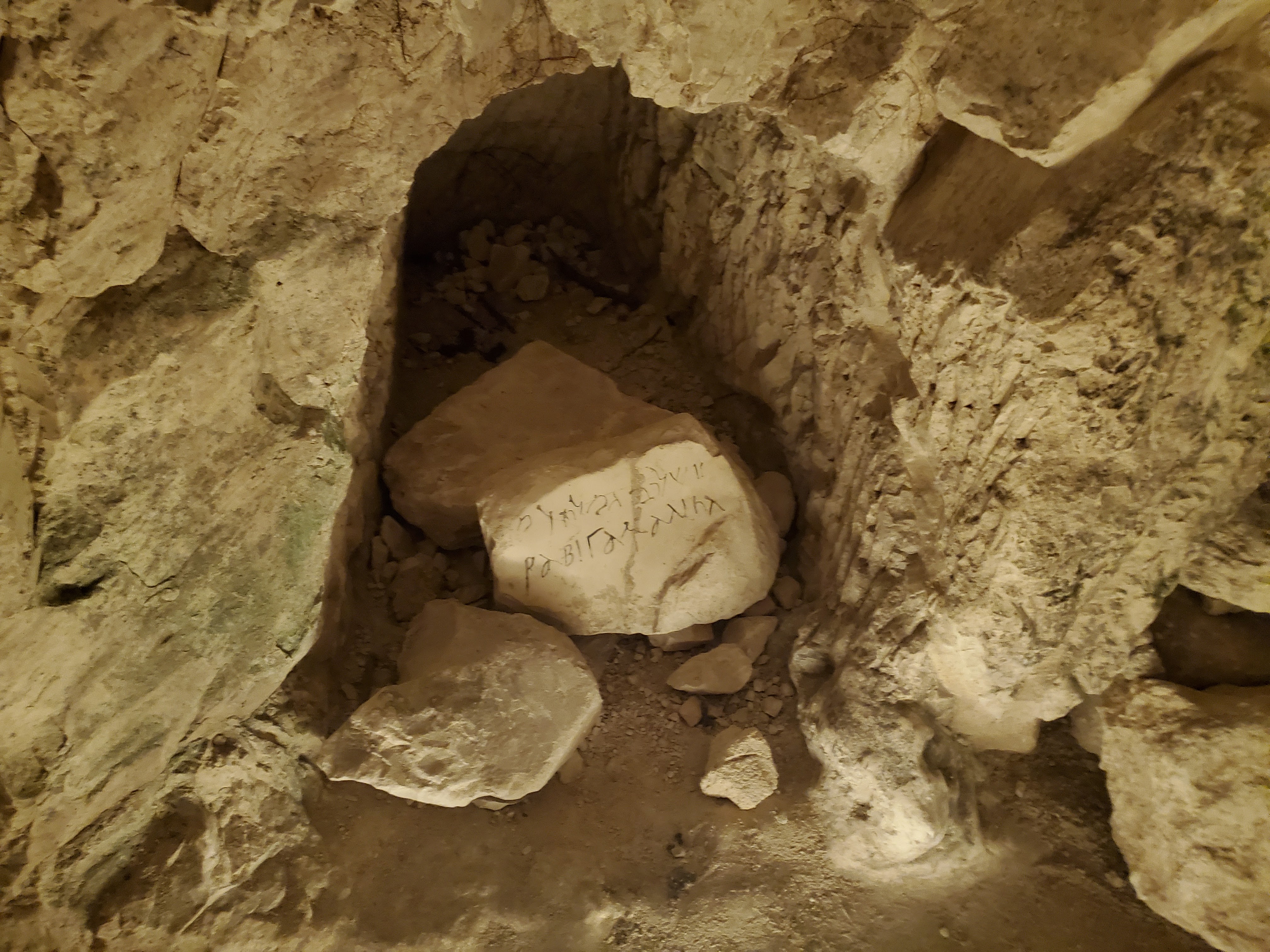
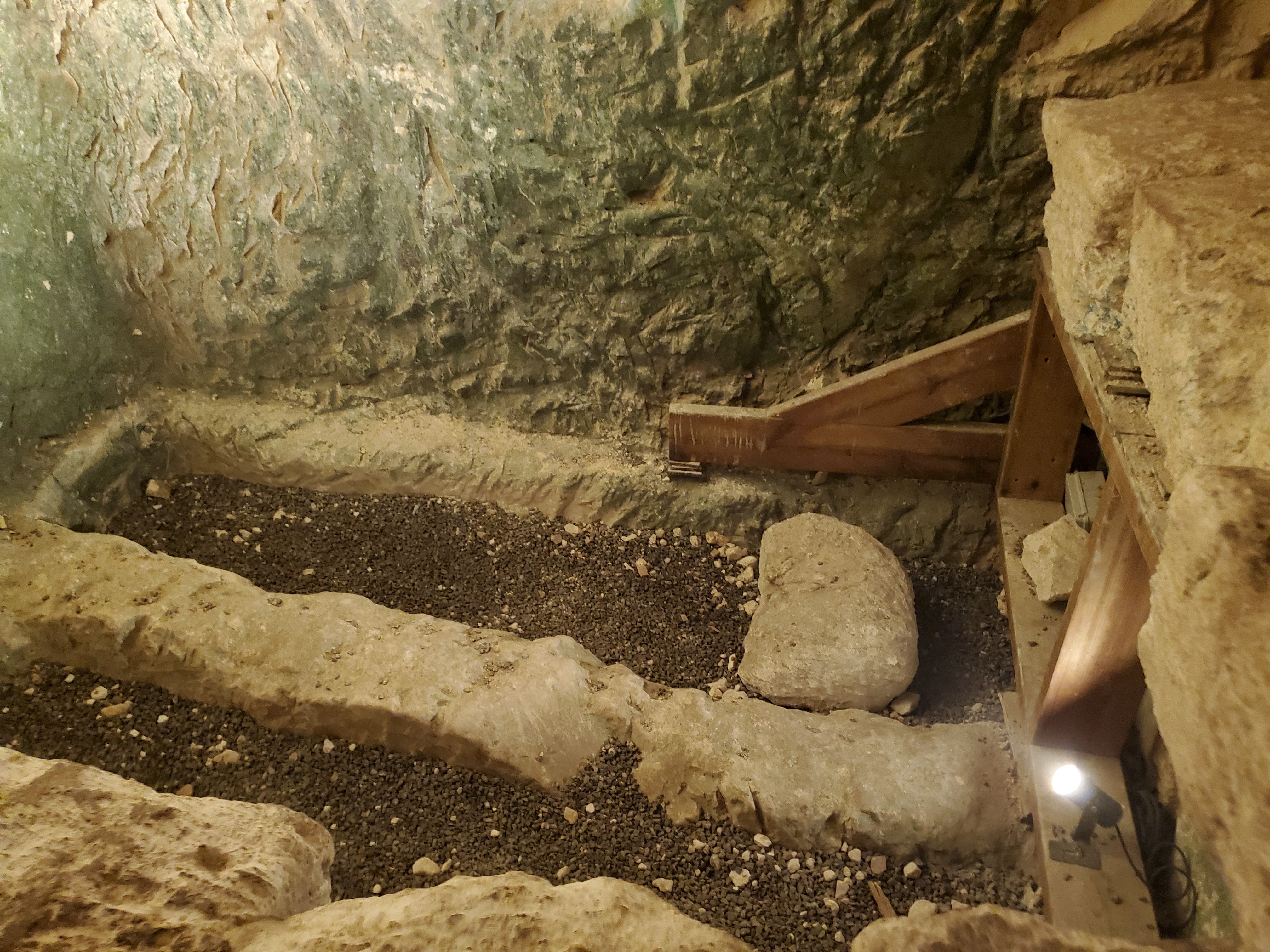
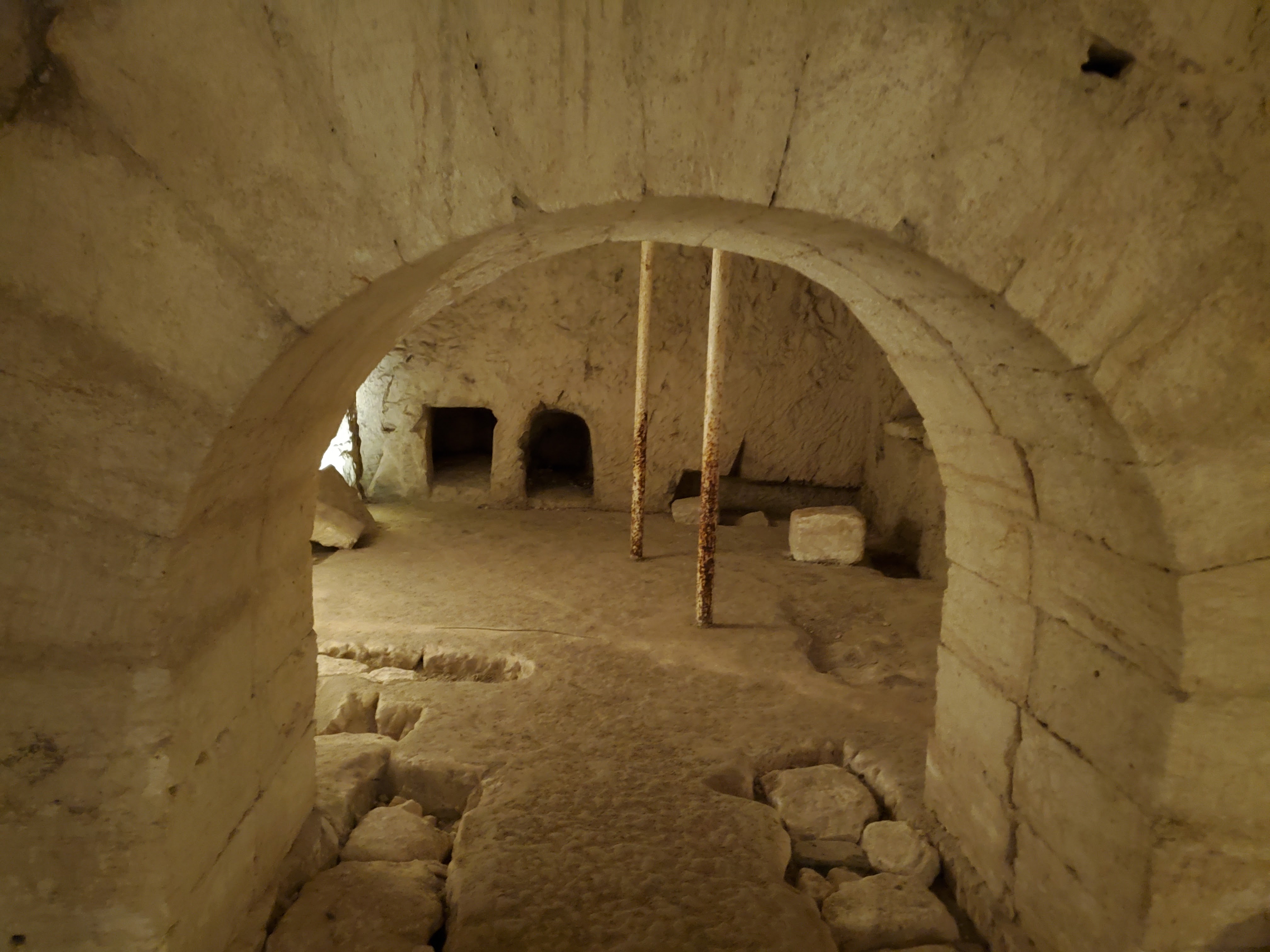
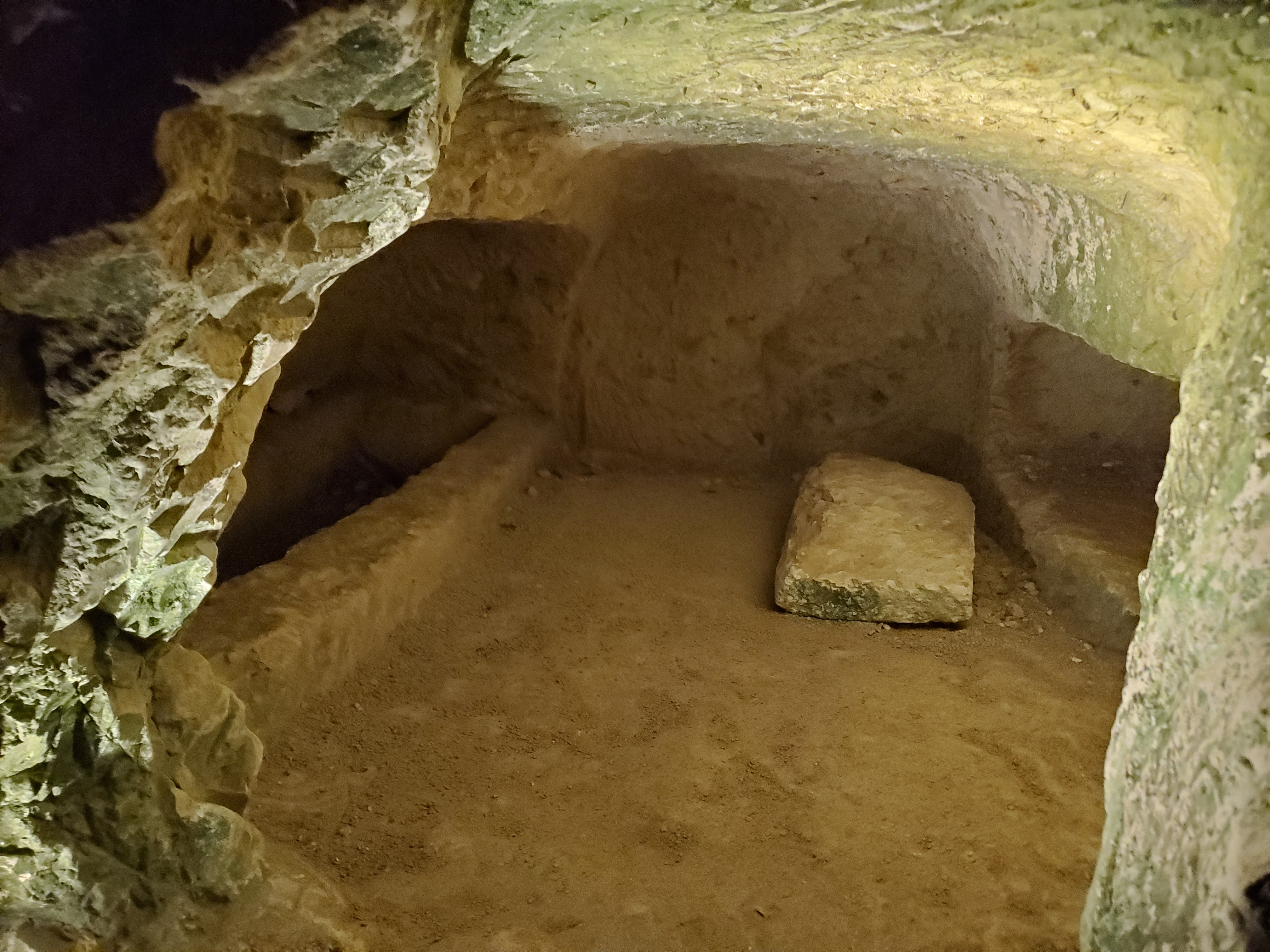
It consists of a network of limestone caves, most containing multiple niches, into which were placed sarcophagi, frequently decorated with elaborate carvings and inscriptions. Most of the sarcophagi were damaged by grave robbers over the centuries, but one can still see the care and artistry used.
There are more than thirty catacombs currently uncovered, but the westernmost section, the Menorah caves are only open to the public through pre-arranged tours. There is still plenty to see in eastern section of the park.
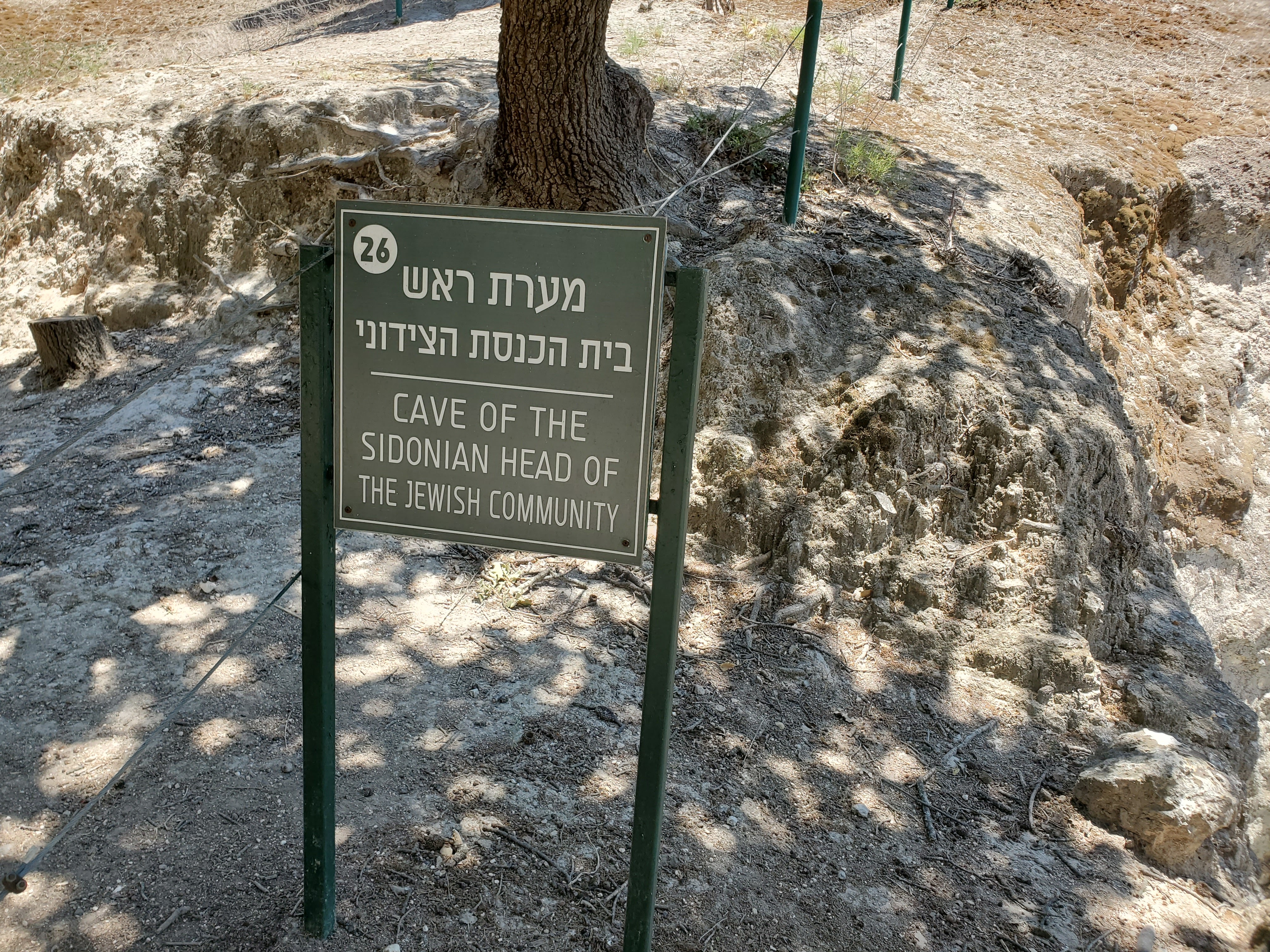
Rather than lead you on a cave by cave description of the park, let me just provide some highlights. One of the signs of the significance of this location is the distances traveled by some to be buried here. The inscription for one cave indicates that the cave is for the head of the Jewish community of Sidon, in present-day Lebanon and his family.
The largest cave, containing over thirty sarcophagi, known as the Cave of Coffins, contains the remains of Jews from Himyar, in present-day Yemen. At one point, between 390 and 525 BCE, Himyar was a Jewish state, ruled by a Jewish dynasty. Many of the elite members of Himyarite society were buried in Beit Shearim. Many of these had elaborate carvings on their sarcophagi, frequently depicted animals and geometric shapes.
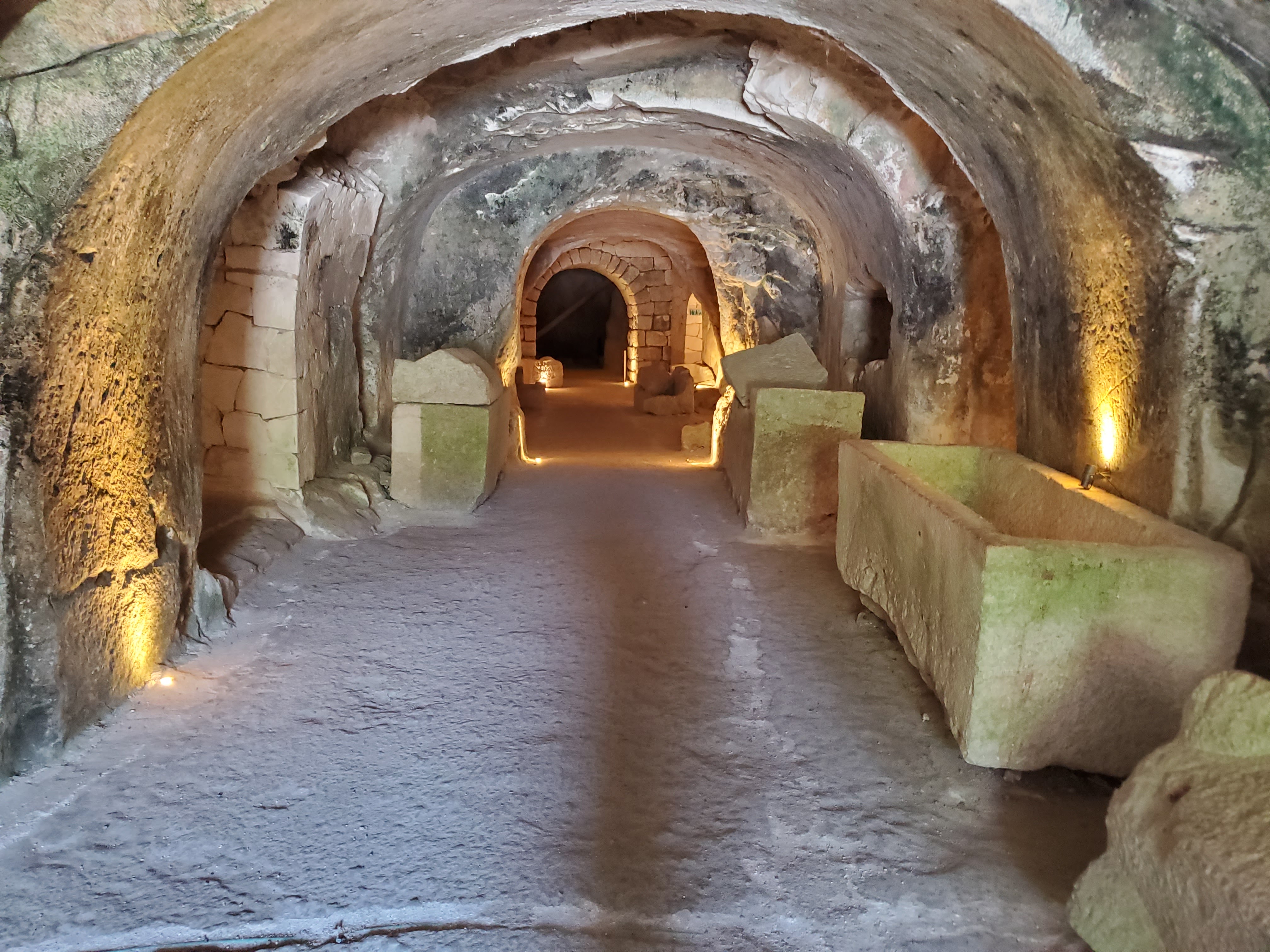
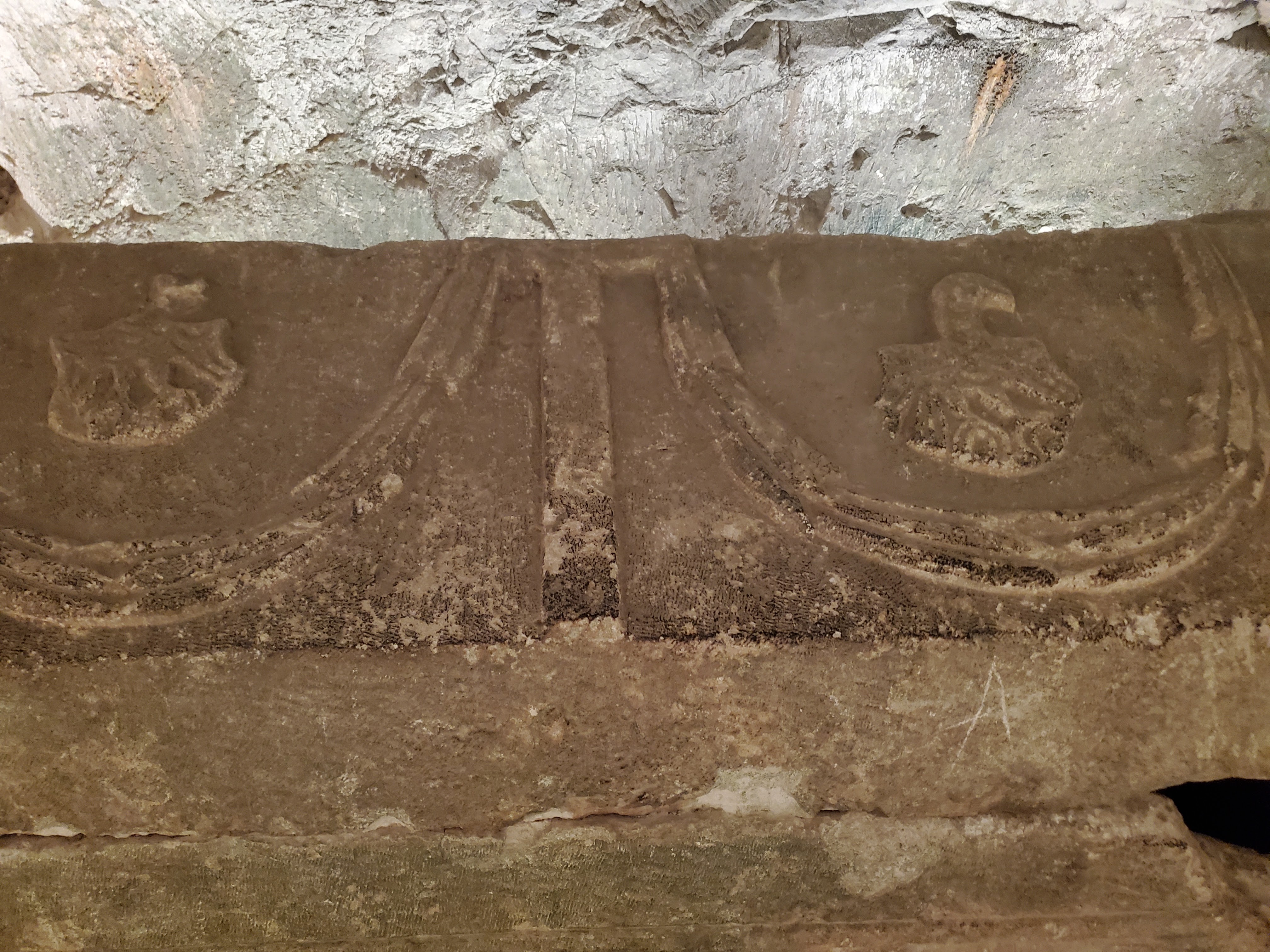
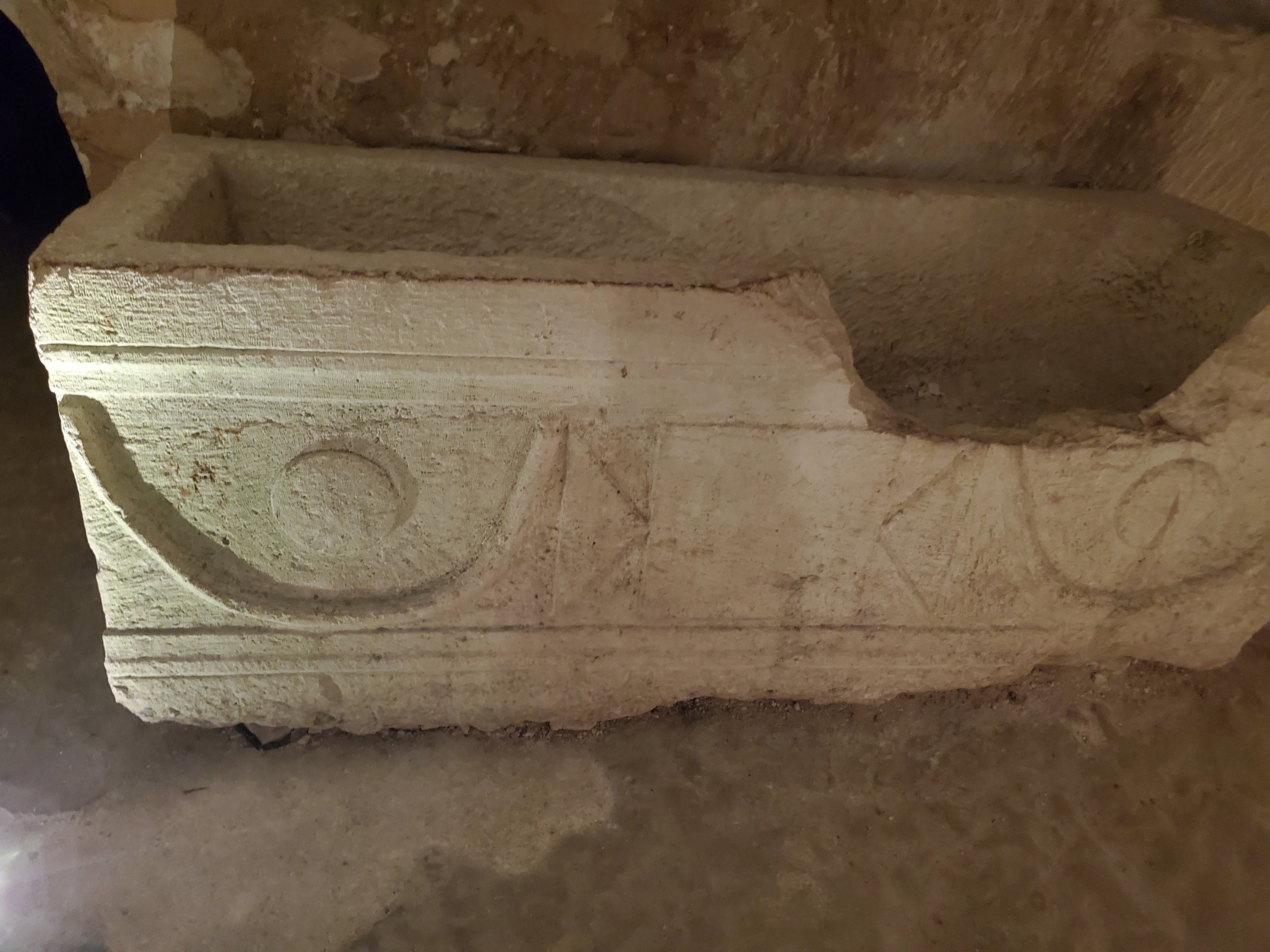
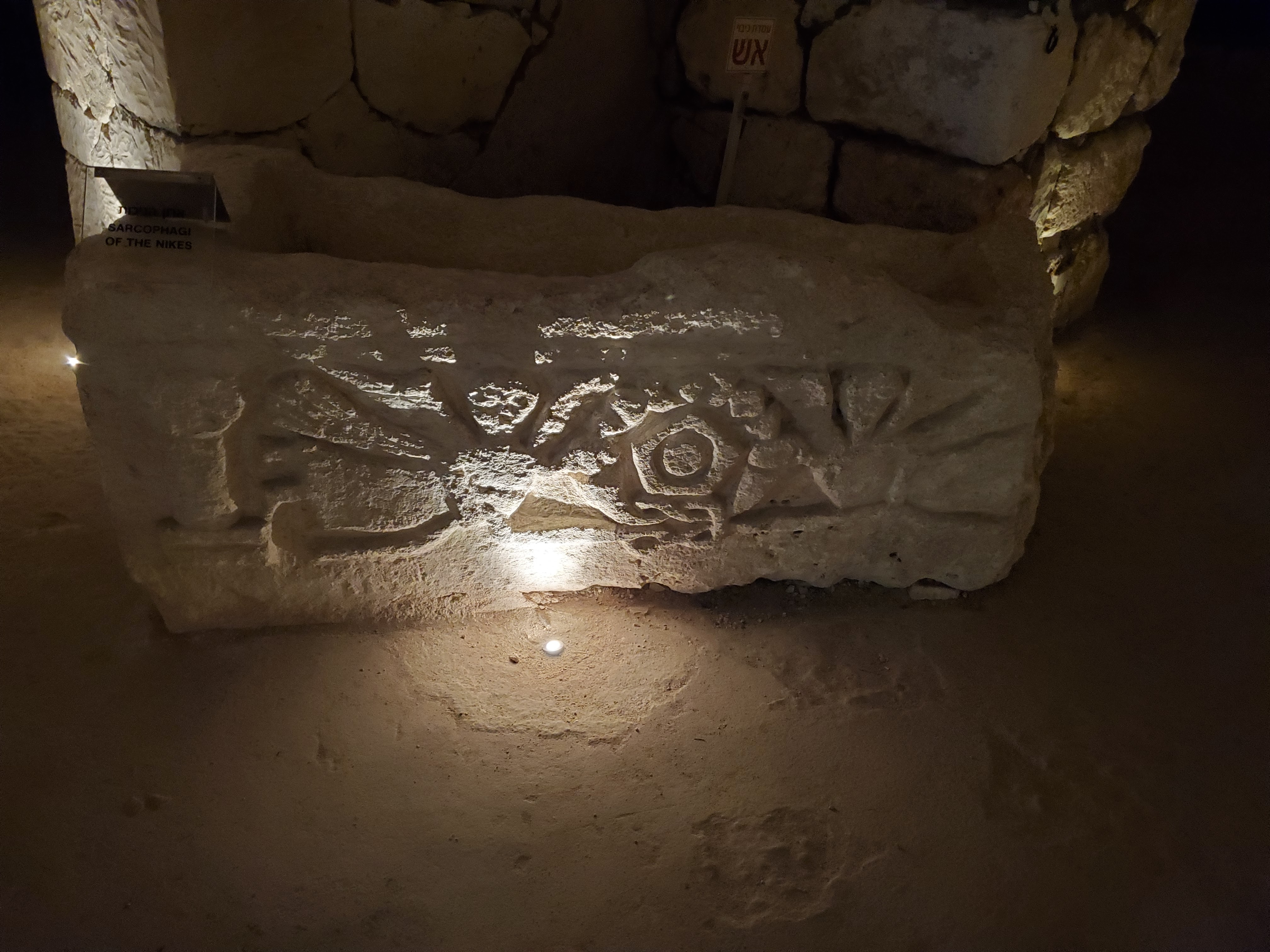
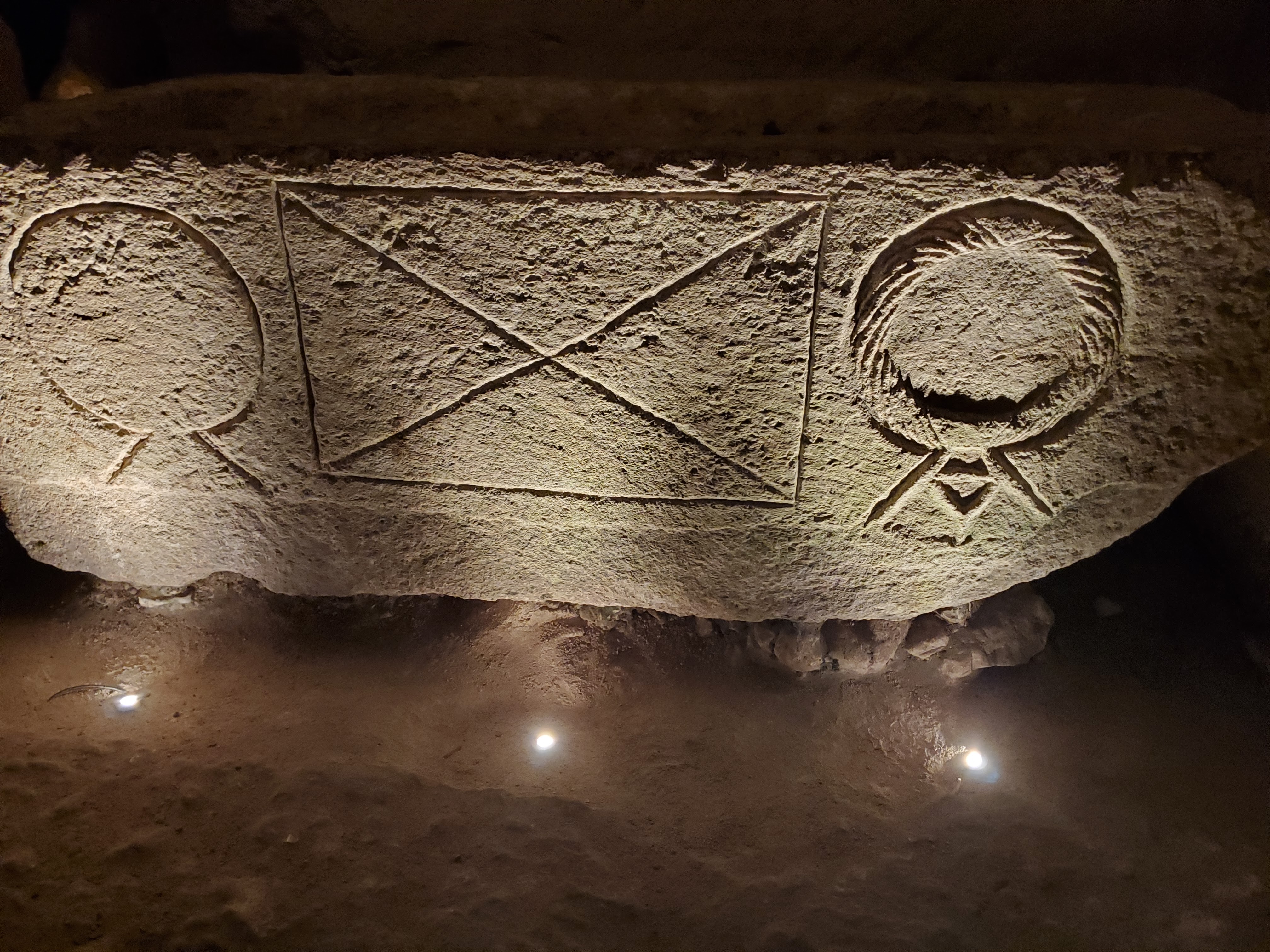
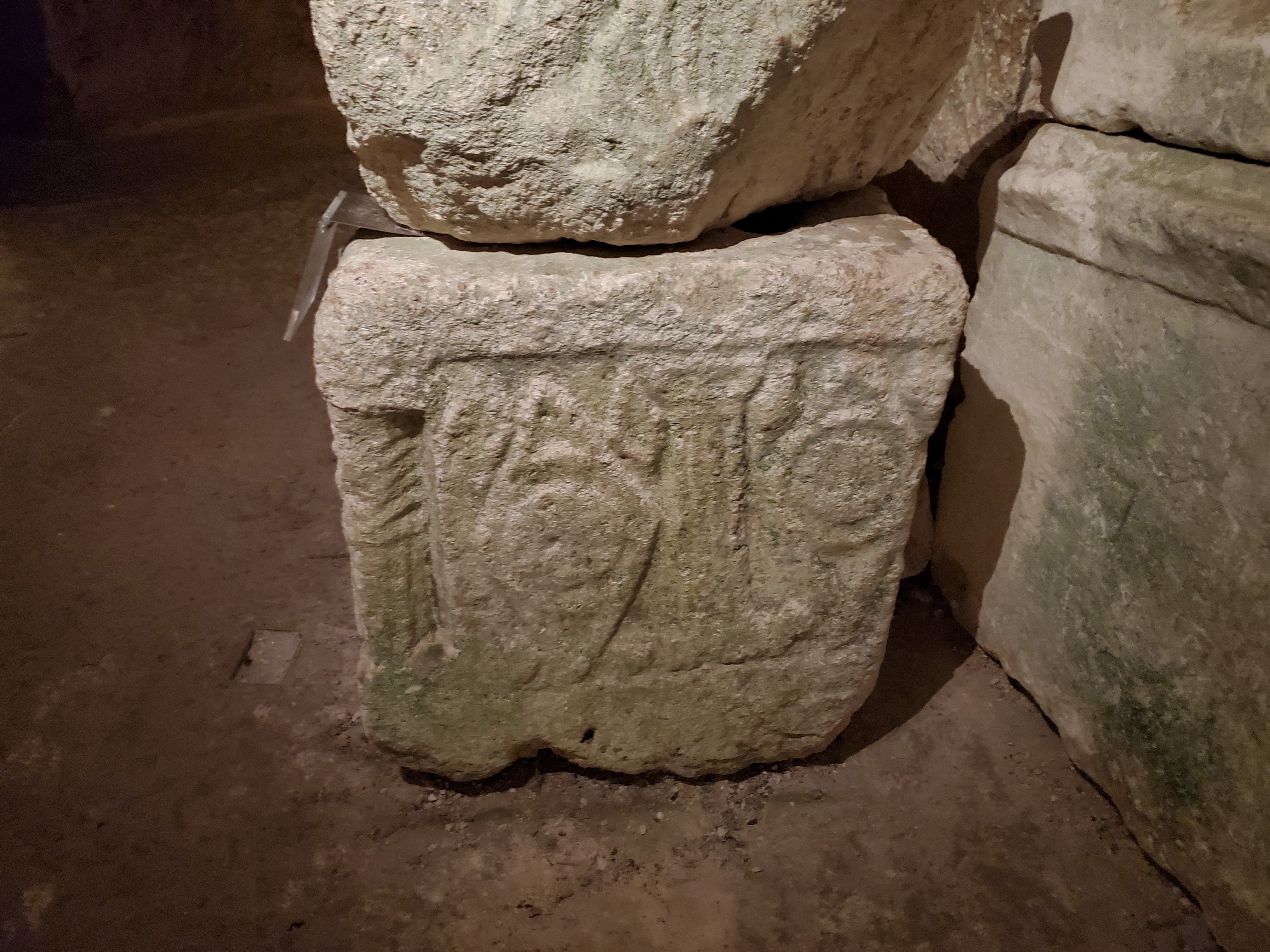
The Cave of Curses, contains inscriptions on its walls cursing anyone who might open this tomb. It was appropriately at this tomb, that I attempted to get a better picture inside the tomb. I didn’t want any of the grating on the gate, so I slipped my phone inside the gate to snap a shot. Almost immediately, a business of flies swarmed around me. These were very large flies, some of whom were fully saddled. Startled, my phone hit the grating of the gate and fell just inside the tomb and just out of reach of my hand. I headed back to the office, explained my predicament and asked if anyone had a key to unlock the gate. One of the maintenance crew left with me for the tomb, unlocked the gate, and I retrieved my phone and thanked him repeatedly.
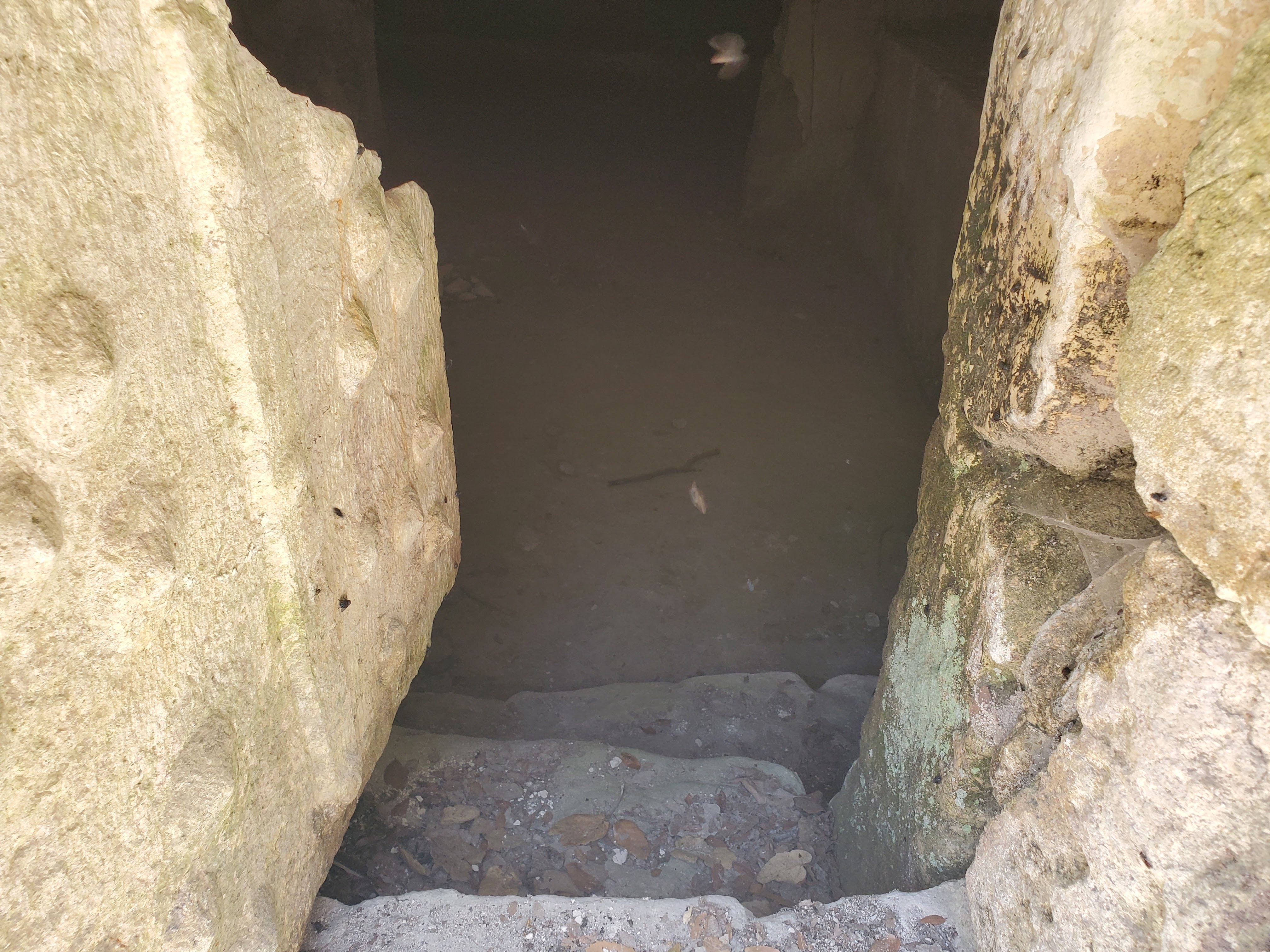
Finally, the central cave is the burial site of Rabbi Judah Hanasi, and his family. Rabbi Judah HaNasi compiled the Mishnah in the late 2nd century C.E. and was the leader of the Sanhedrin. He lived for a time in Beit Shearim, but moved to Tzipori for the last seventeen years of his life for health reasons. He was buried, however, in Beit Shearim.
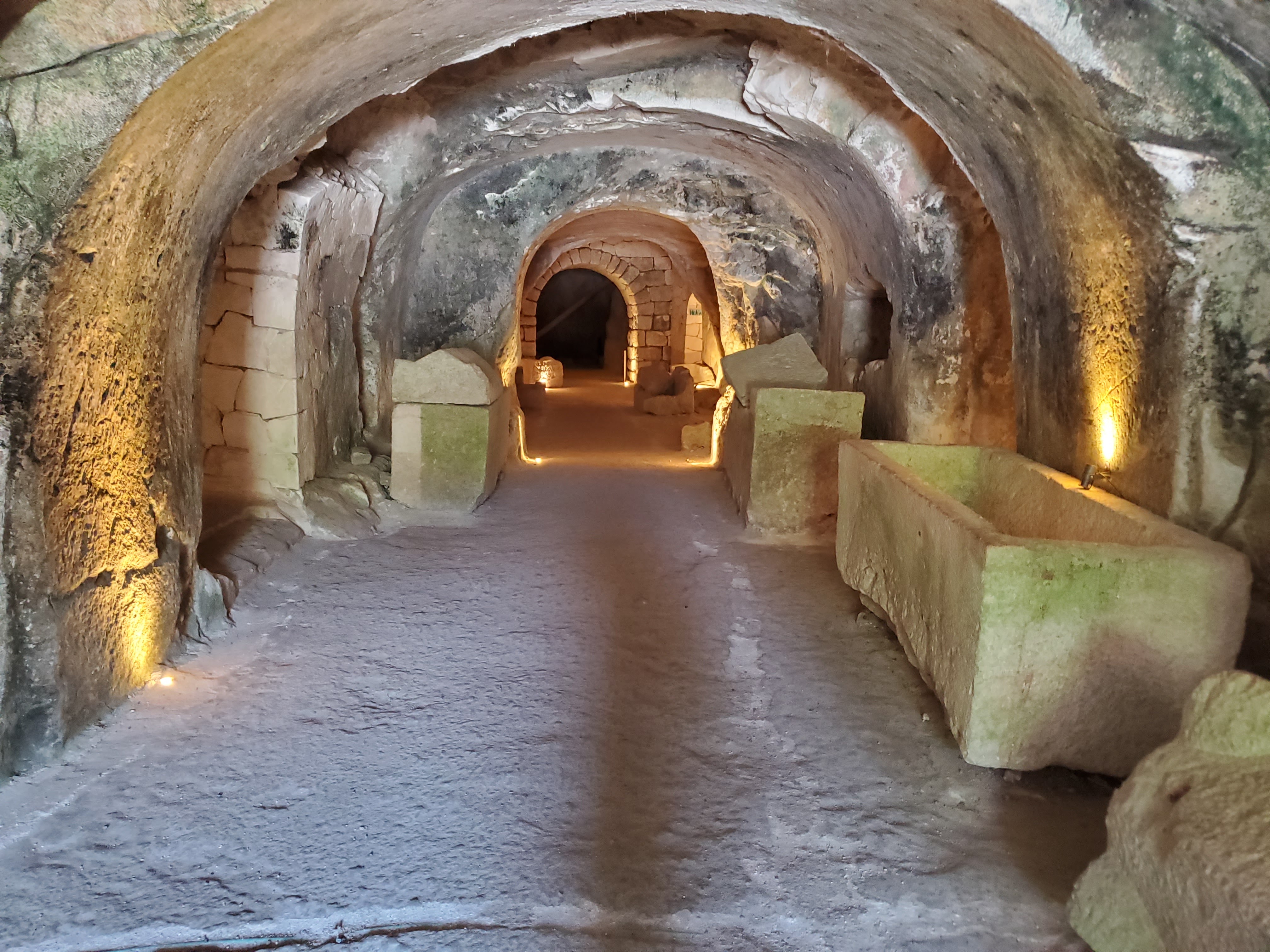
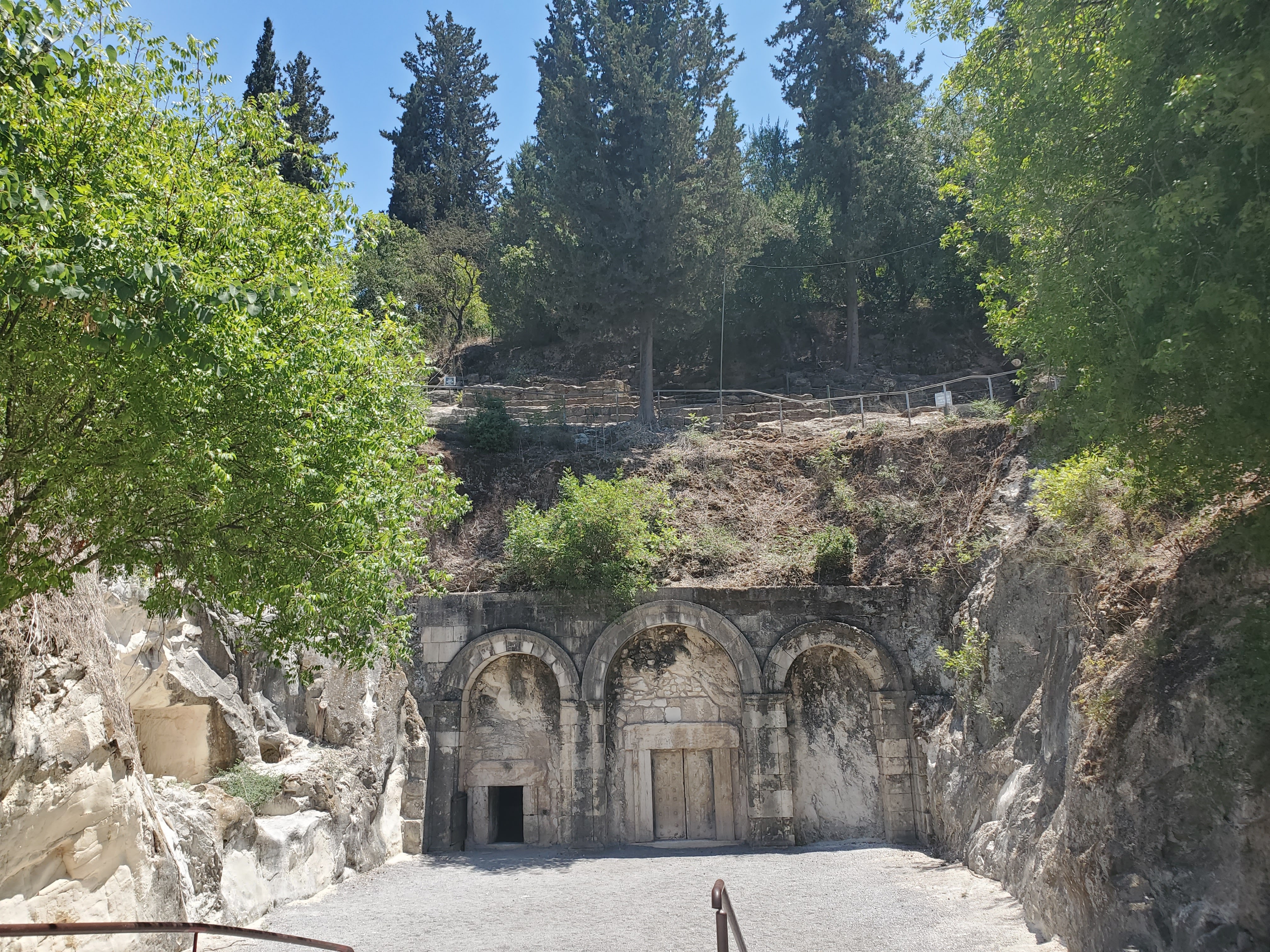
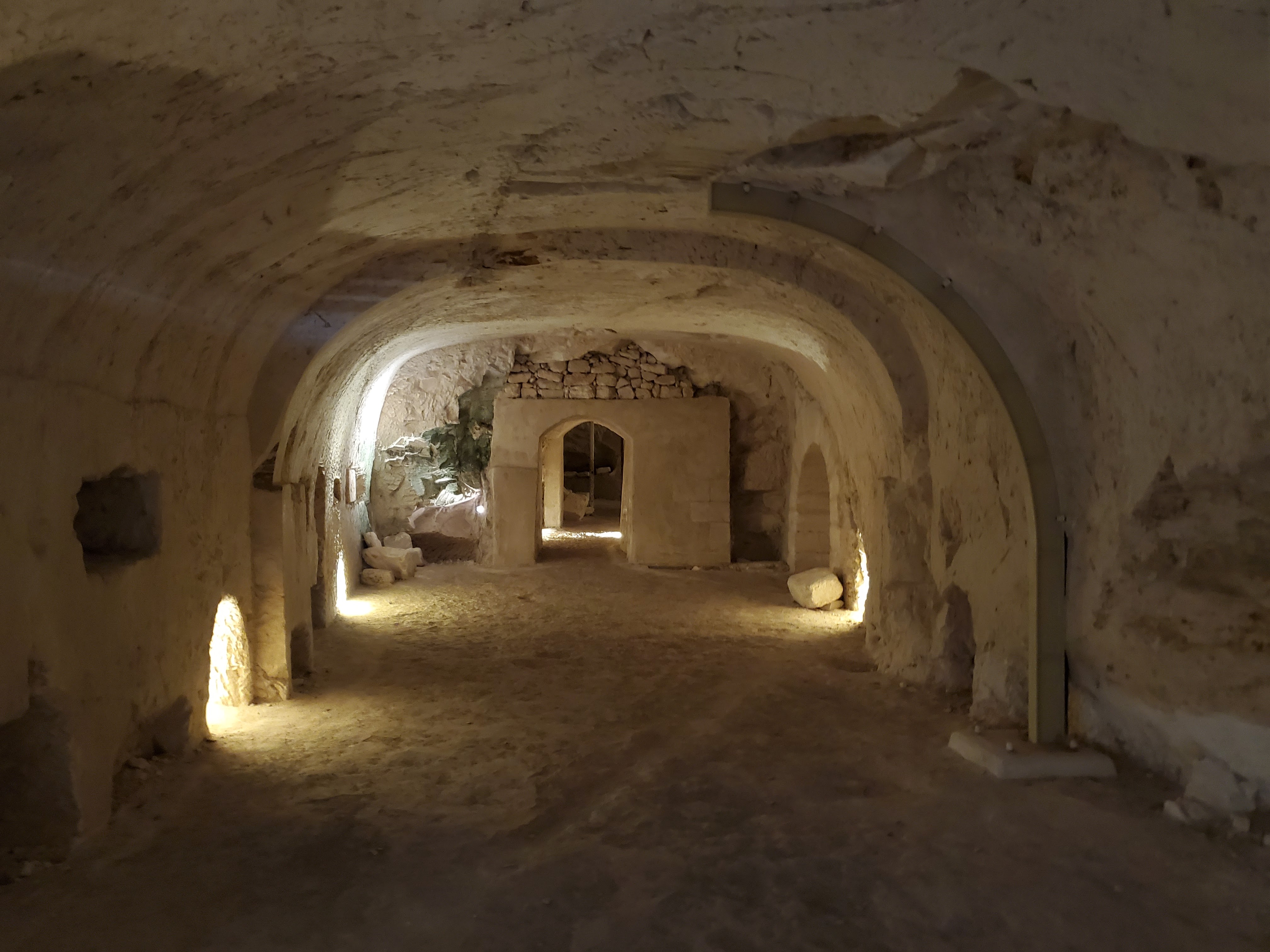
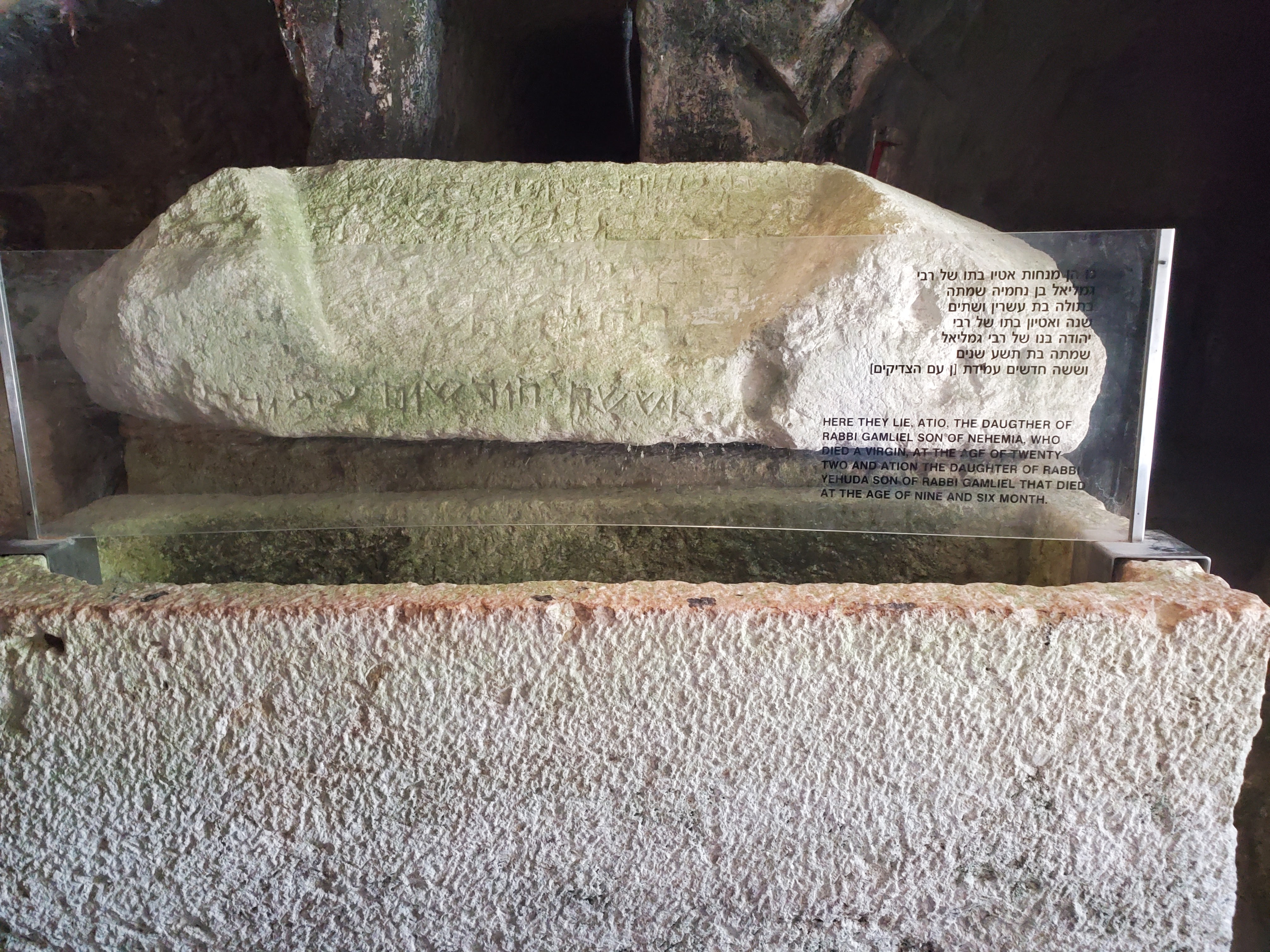
After a few hours exploring Beit Shearim on the hottest day of the year, so far, and without the interactive experience, I decided that I just wasn’t up to three hours of hiking. I bid my farewells to the departed and headed back uphill to the bus stop at which I had arrived.

 My Journey to Israel: Connections and Disruptions