Beit Shearim is only a few minutes, from Nahalal where my son Ari has been in school for the last four years. I had planned on going to visit later in the afternoon, but I didn’t think it would matter if I showed up a little earlier.
School has been out for a couple of weeks in Nahalal. I really don’t know why there is so much of a delay between the end of classes and graduation, but there is. Lack of classes doesn’t mean that Ari hasn’t been busy. He still works about 5 hours a day in the stables.
Nahalal is a moshav, a collective settlement in which people maintain the rights to private property and own their own farms, but collectively determine the distribution of resources for the community. Nahalal was the first moshav in Israel in 1921.
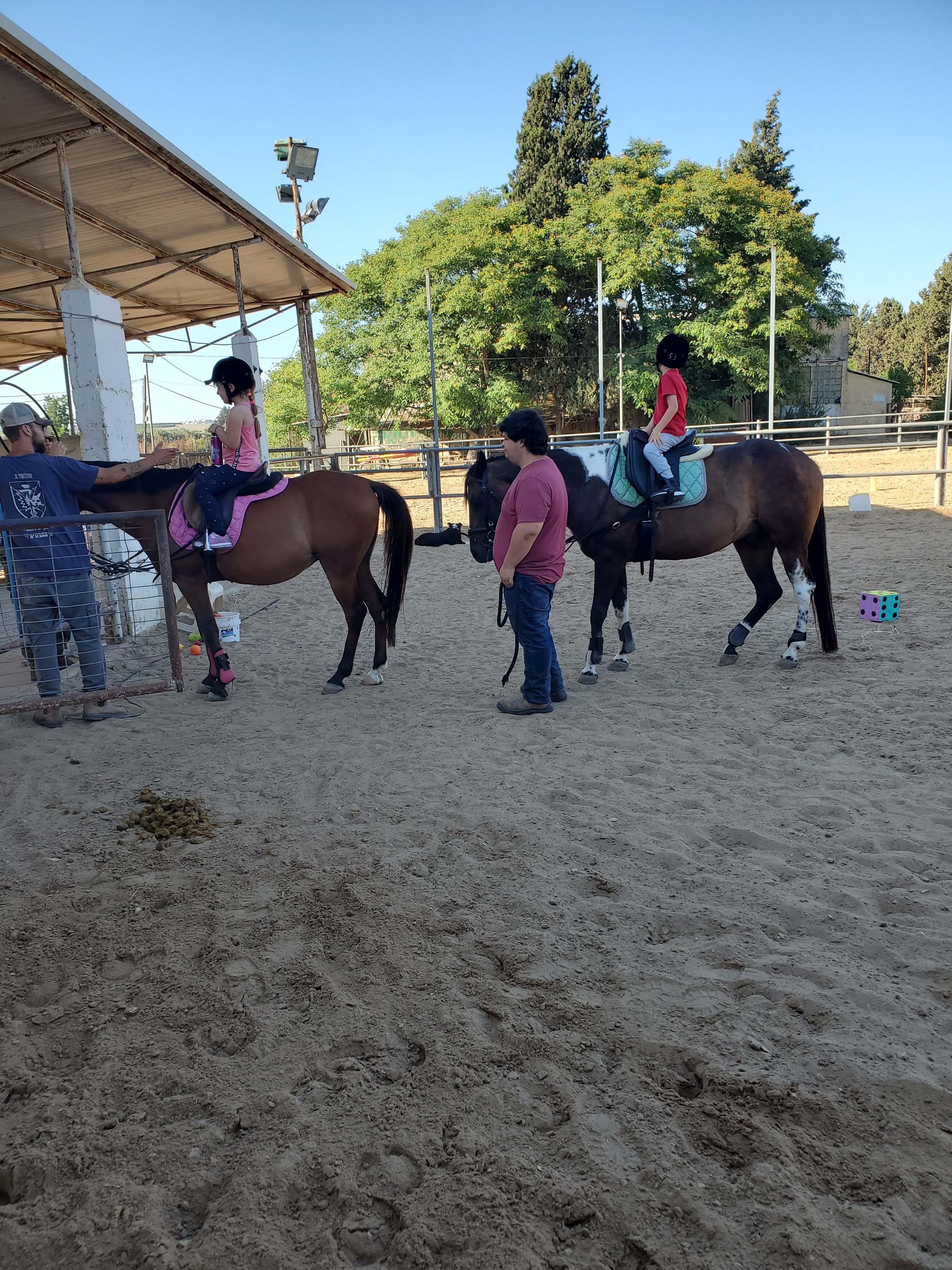
Within the moshav is a Youth Village, established by the Women’s International Zionist Organization (WIZO). The school is in the youth village, as is the stables. The stables offer riding lessons and Ari takes care of the horses before and after lessons.
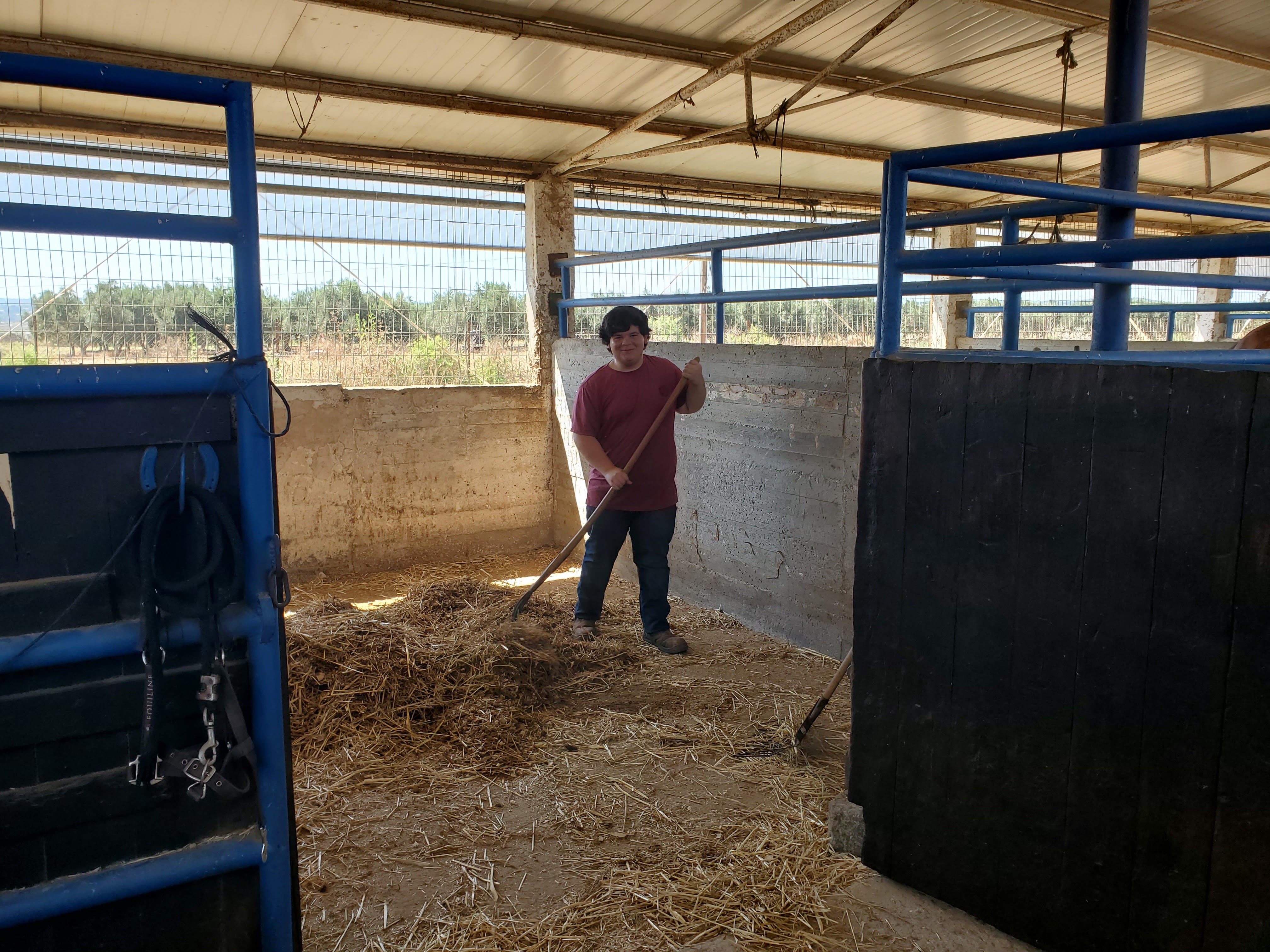
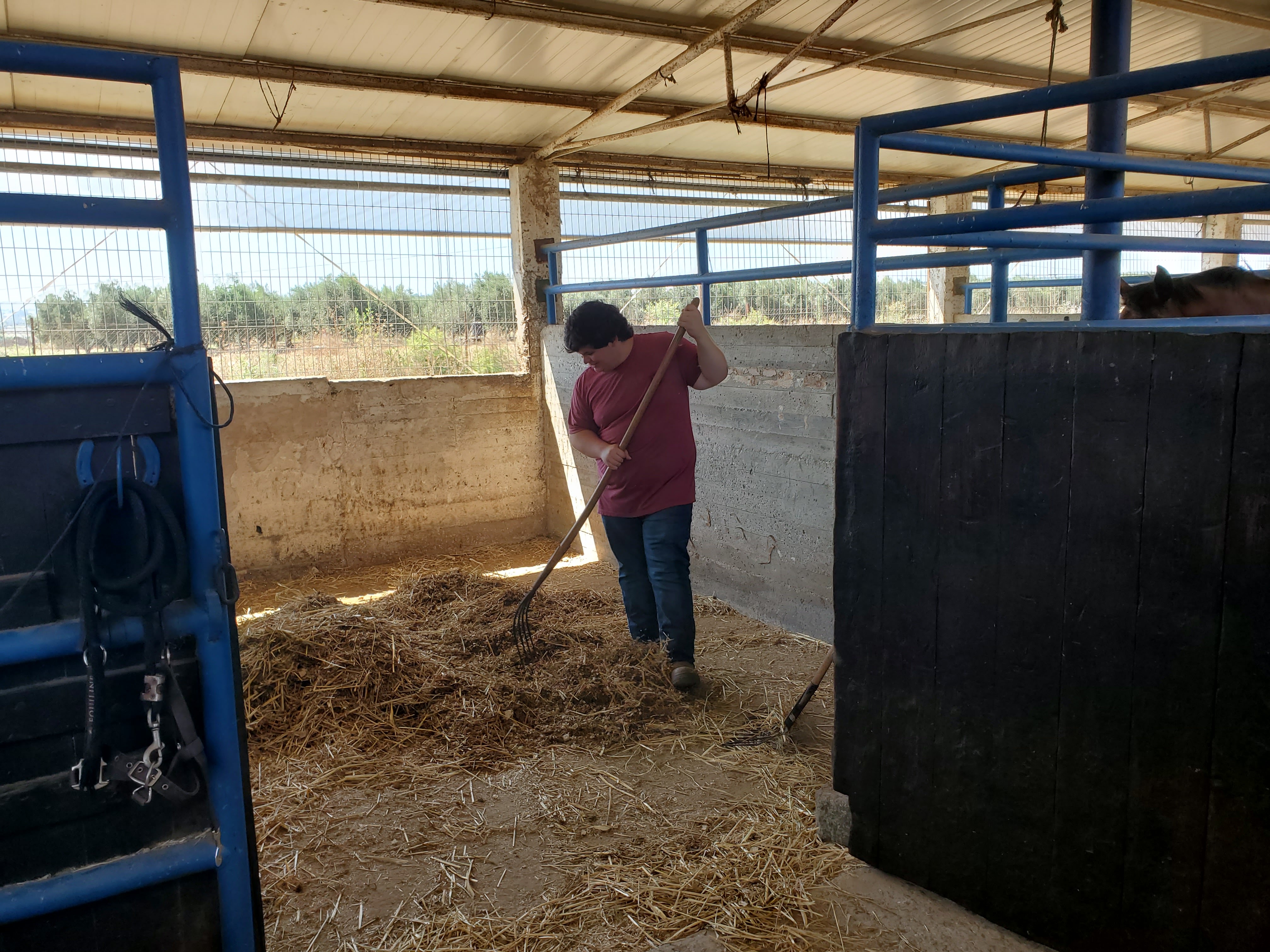
After having lived in Kentucky for almost nine years, I should know something about horses, if only through osmosis. I don’t. Ari has learned everything he has just through working there over the last two years. When I arrived, he was mucking the stables. I offered to help. He brought me a rake an pointed to the two wheelbarrows outside the stall. If the hay and ground covering was wet with urine, it goes in one barrow, if it has feces, it goes in the other barrow, and if its dry, it stays. After cleaning the stall, we emptied the barrows and then brought in fresh material for covering the stall. Dumping it in the middle, we then spread it out as a square.
Once all the stalls were clean, it was time to feed the horses. Portions were taken from bales and hay and brought to each horse. Some of the smaller horses received two portions; larger horses received three or four portions.
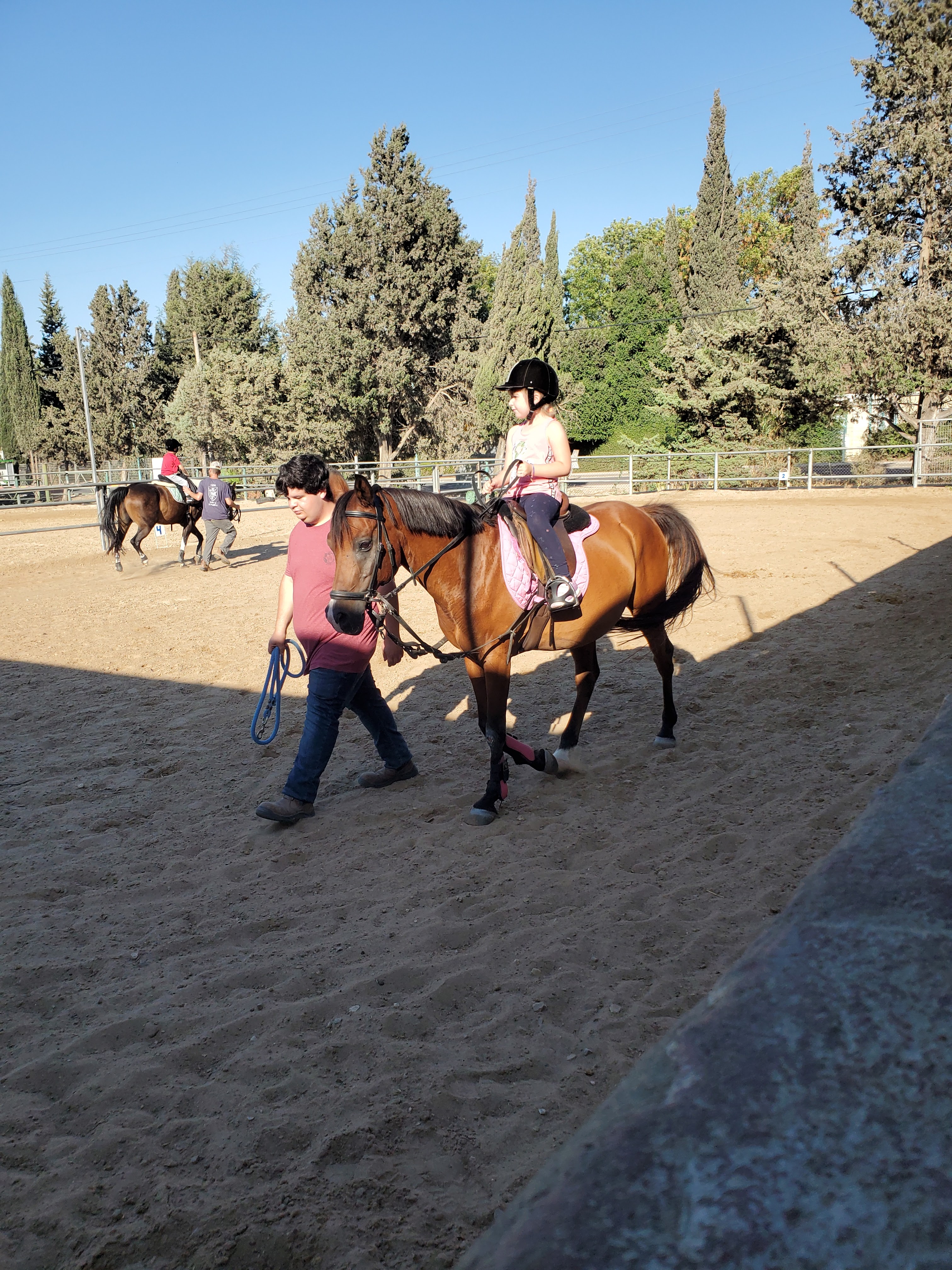
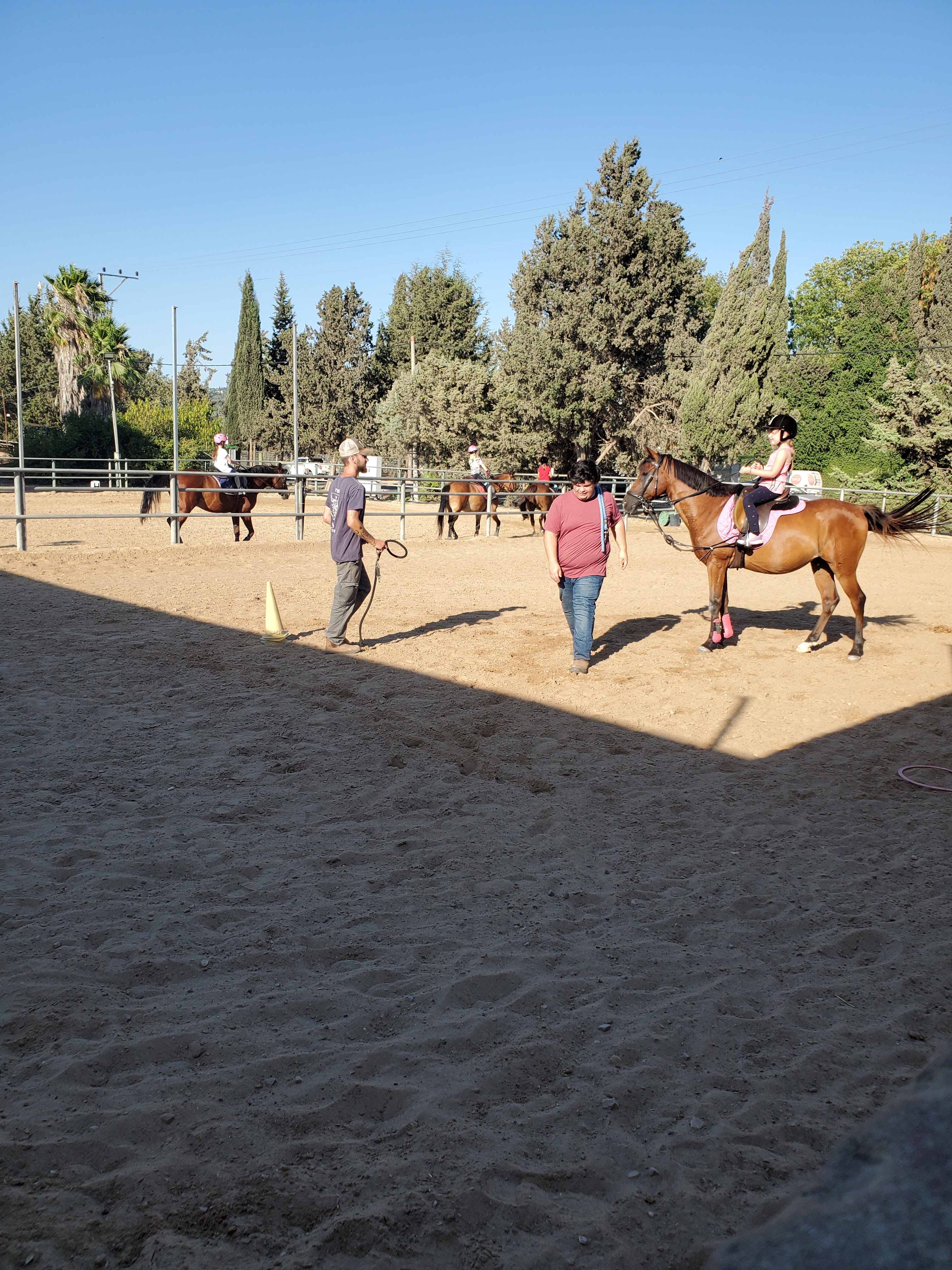
Then he began to prepare horses for lessons, getting them properly dressed. Following that, Ari assisted with the lessons. Once the lessons were over, it was time to clean the horses. And after that there would still be a few more hours of work to do. While doing all of this, Ari was also explaining the routine and teaching more junior workers what to do. He was the last experienced stable hand and needed to train his replacements.
I had reached the end of what I was able to do to help or of what he was able to teach me, so I said my farewells and began to make my way back to the bus stop, which was the first stop for my journey back to Nahalal.
I am very proud of Ari. He has become knowledgeable and responsible and clearly cares about the horses and his young students. The work requires physical effort and it is rather repetitive, but he does it happily. I’m glad I got the chance to spend some time with him while he worked.

 My Journey to Israel: Connections and Disruptions